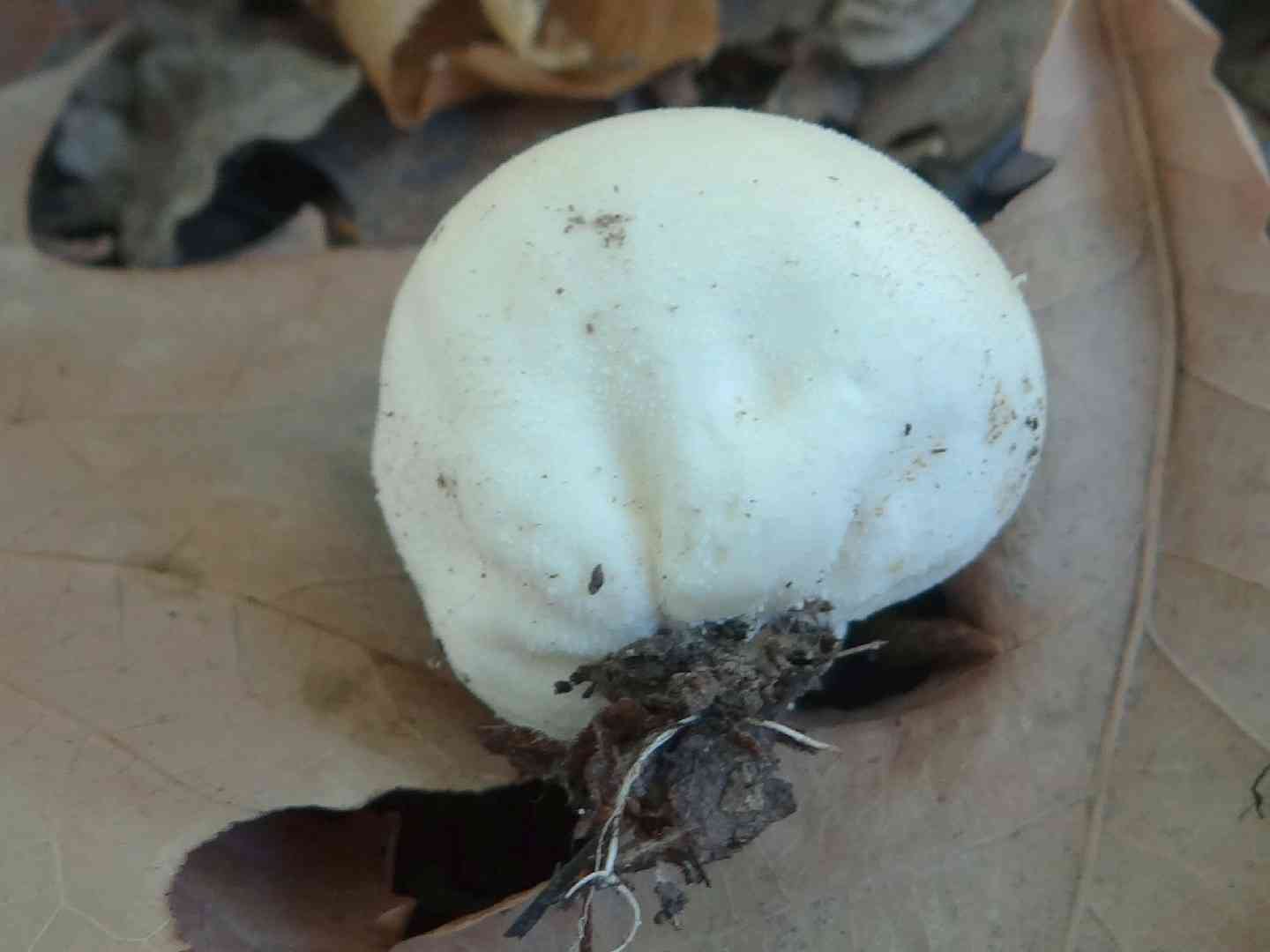
Grey puffball
Bovista plumbea
A species of True puffballs.
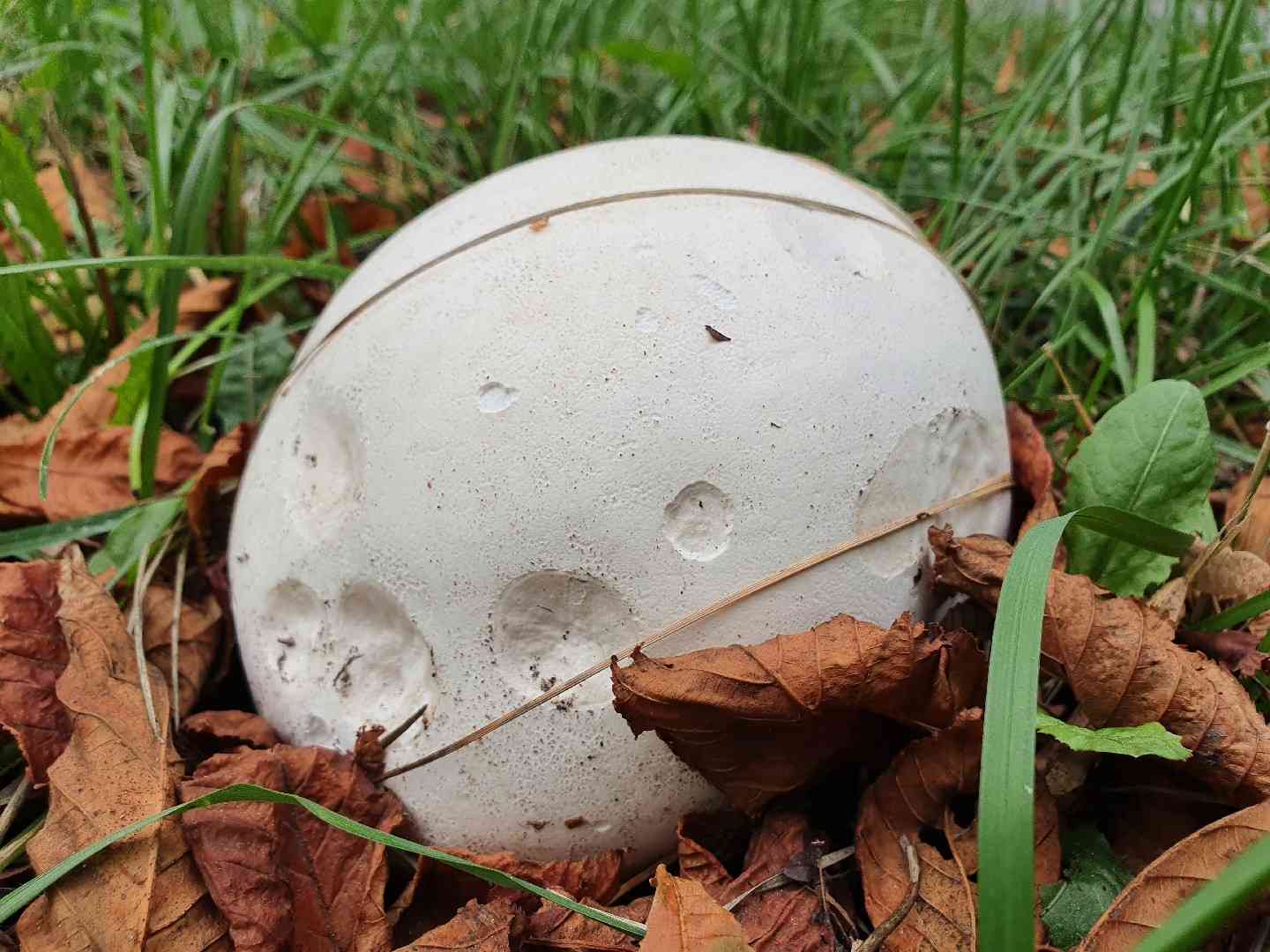
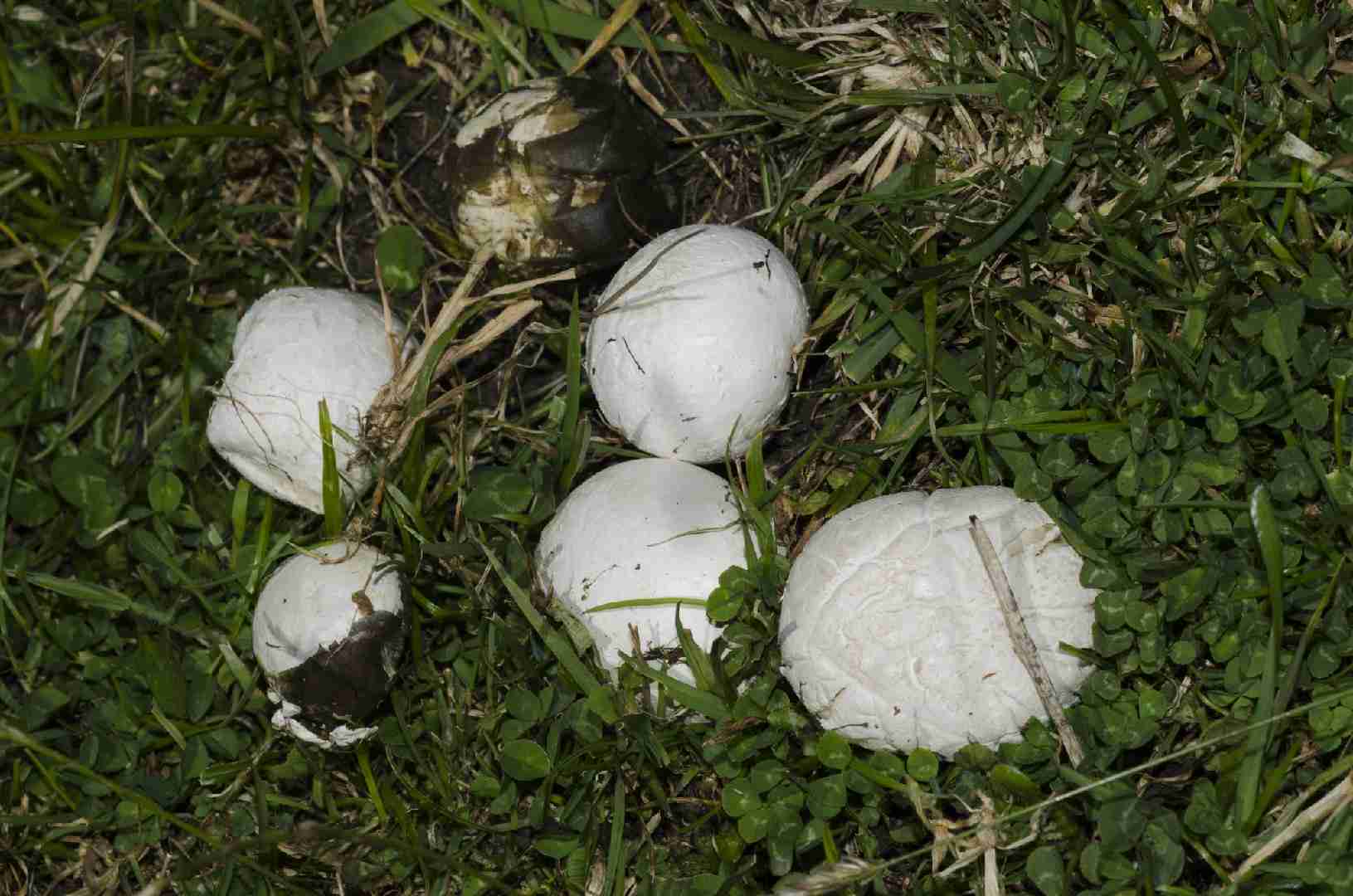
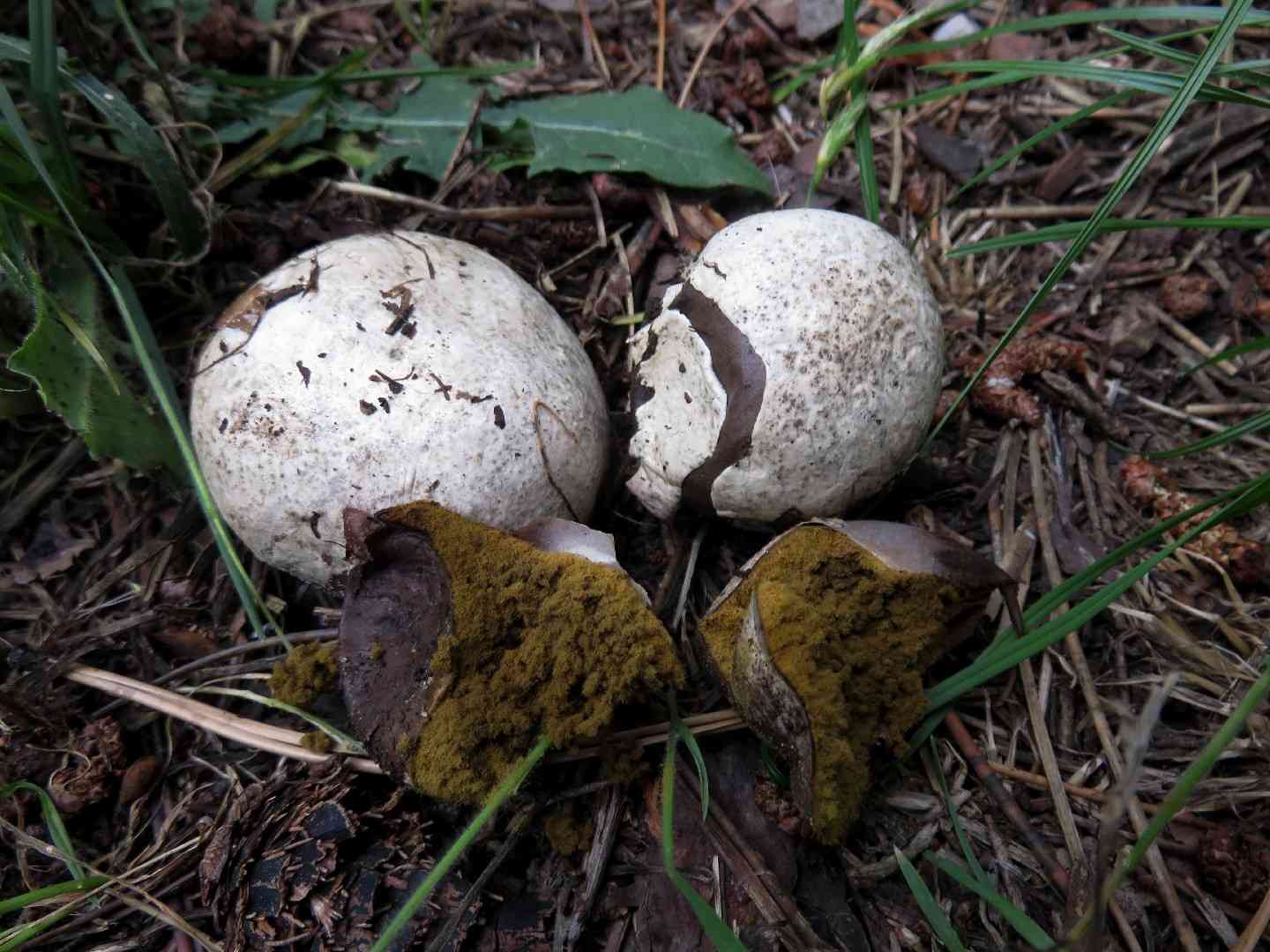
The grey puffball thrives in open grasslands, exposed to the wind. Its spherical body is anchored to the soil solely by delicate, hair-like mycelial threads. As the fungus matures, these connections break, enabling the spore-laden puffball to be carried by the wind, thus colonizing new territories. The epithet 'plumbea' fittingly describes its internal hue, which resembles the color of lead.
In This Article
Attributes of Grey puffball
Flesh
White, olive, reddish, brown
Spore Print Color
Brown
Odor
Mild, not distinctive.
Body Color
BrownRedGrayWhite
Flesh Bruises
The flesh or milk does not discolor when bruised or cut.
Growth Form
Scattered, Gregarious
Nutrient Gathering
Saprophytic
Substrate
On soil
You can find Grey puffball by these plants
Spruces, Pines
Occurence Habitats
Disturbed Lands, Meadows
Species Status
Common
Endangered Species
No
Scientific Classification of Grey puffball
Phylum
Club fungi
Class
Mushroom-forming fungi
Order
Gilled fungi
Family
Agaricaceae
Genus
True puffballs
Toxicity and Edibility of Grey puffball
Is Grey puffball Toxic?
Toxicity information is not available for this mushroom. Always consult with an expert before consuming any wild mushrooms.