Giant puffball
Calvatia gigantea
A species of Calvatia.
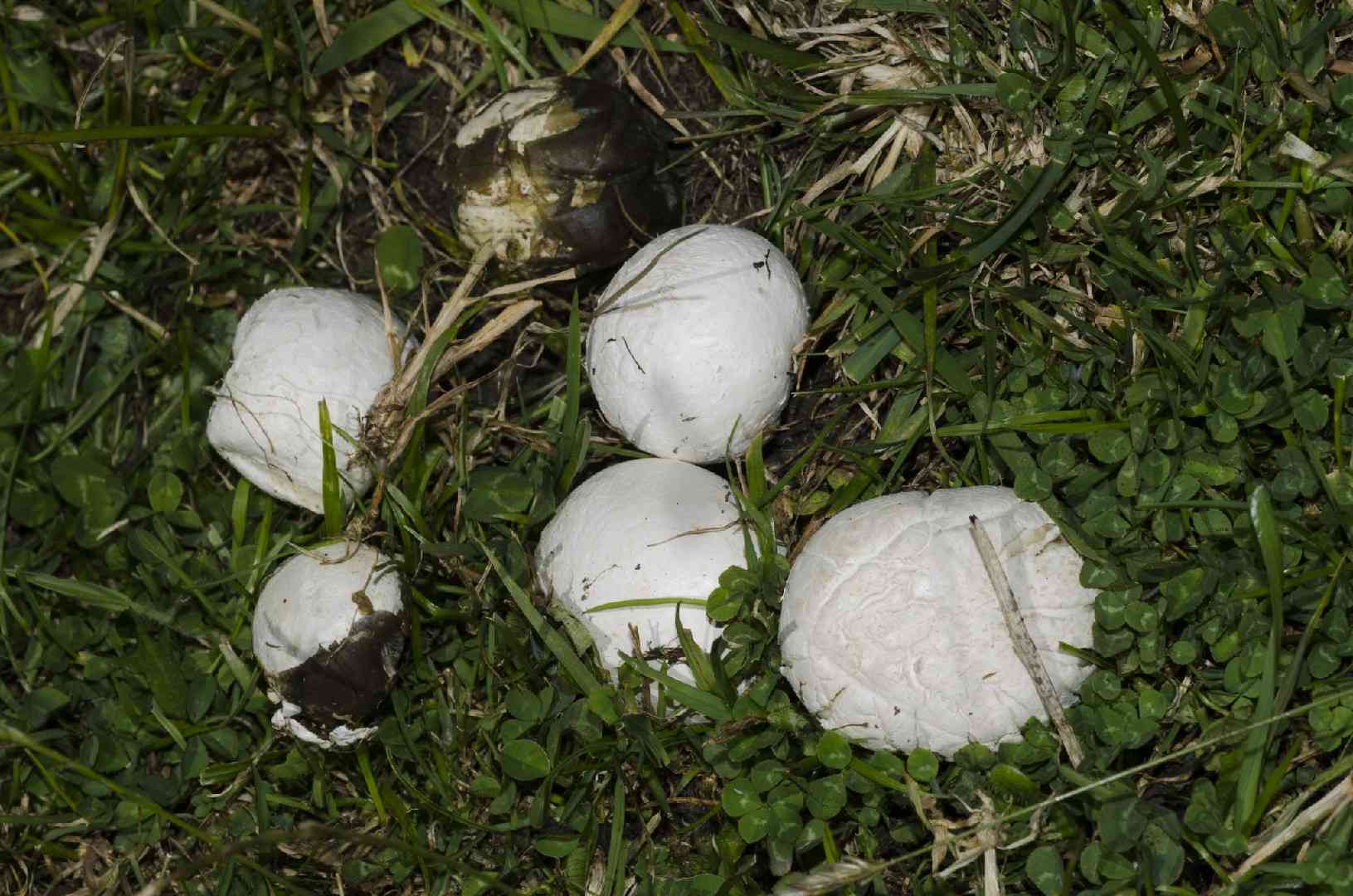
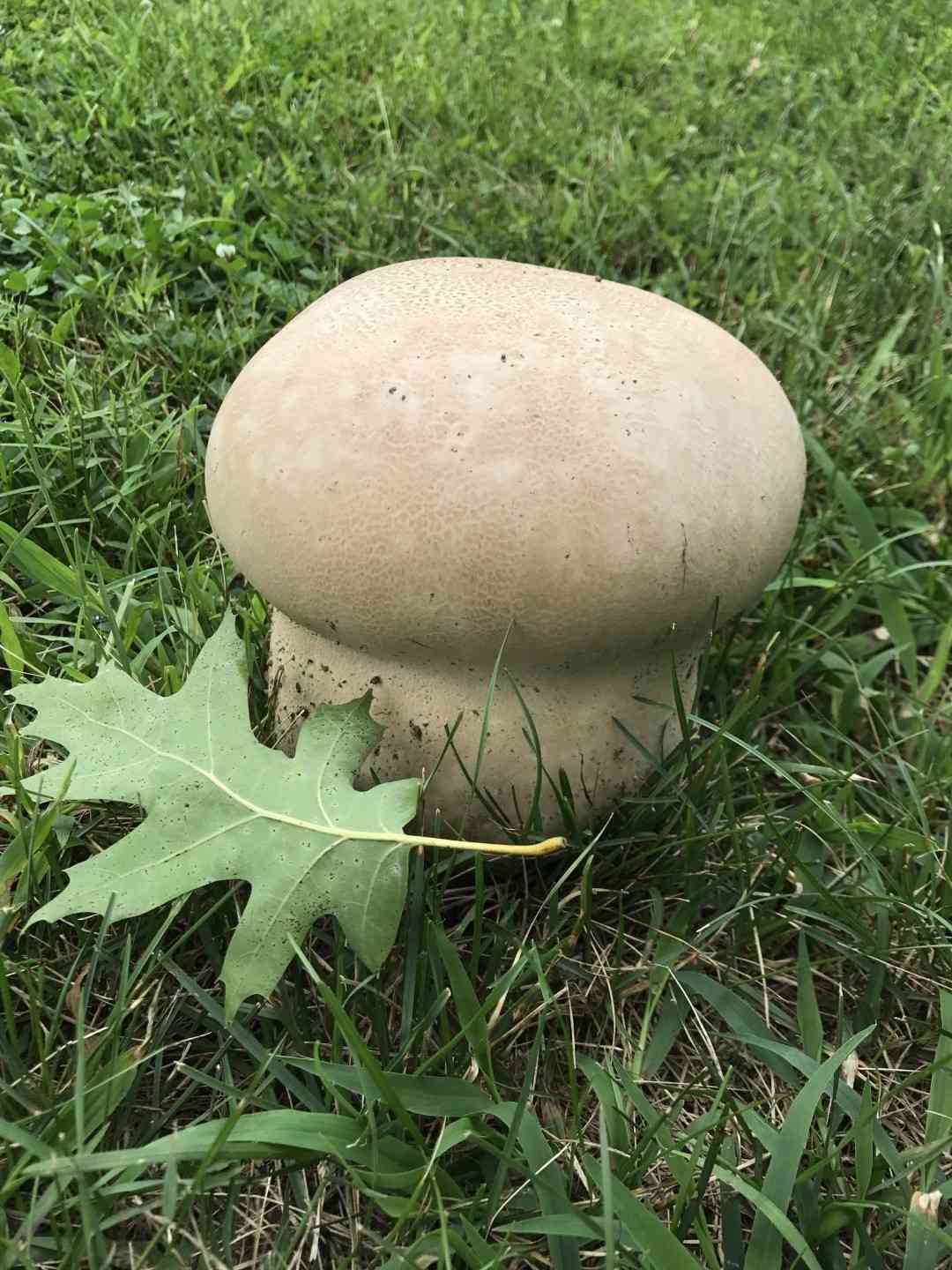
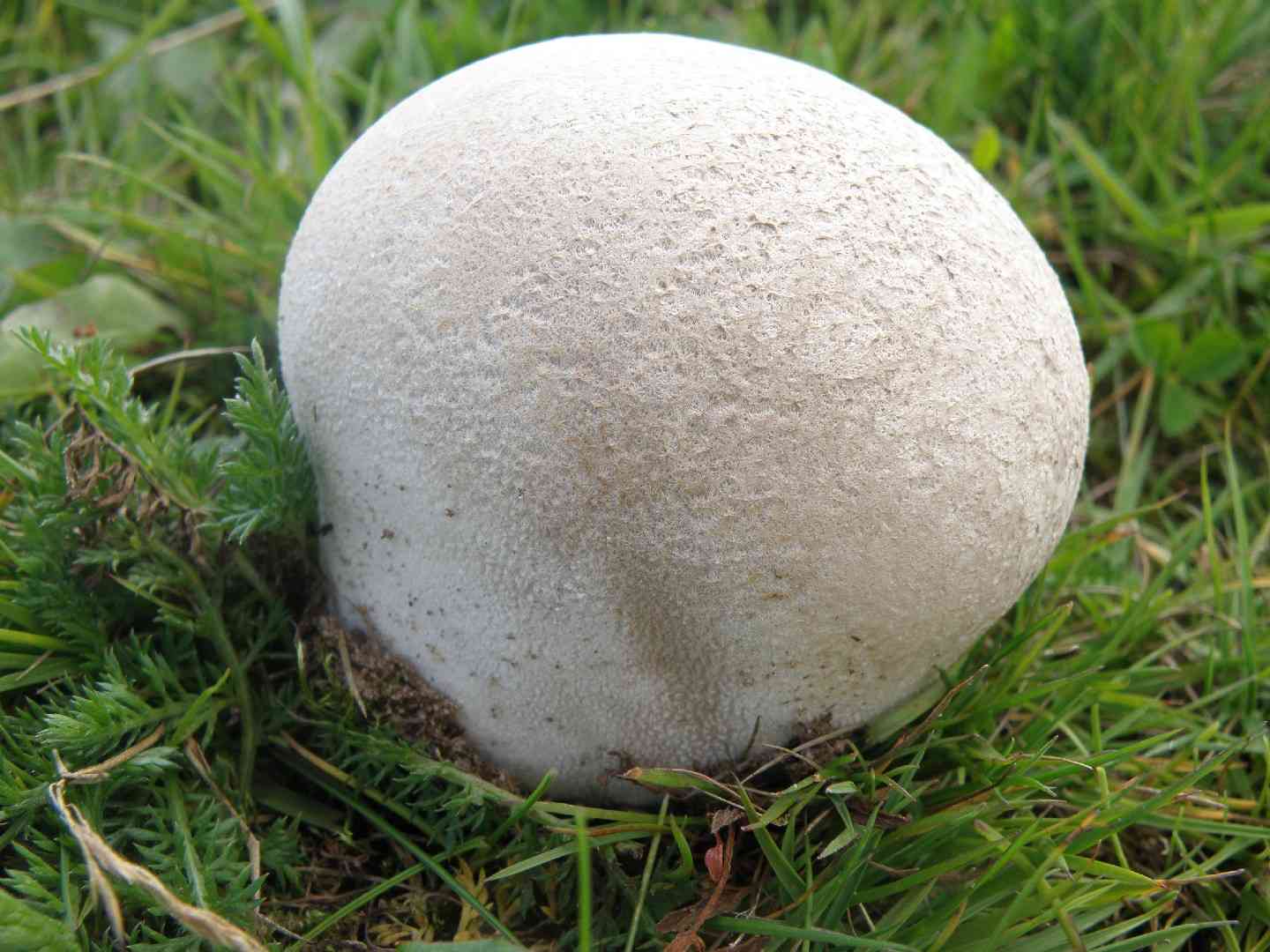
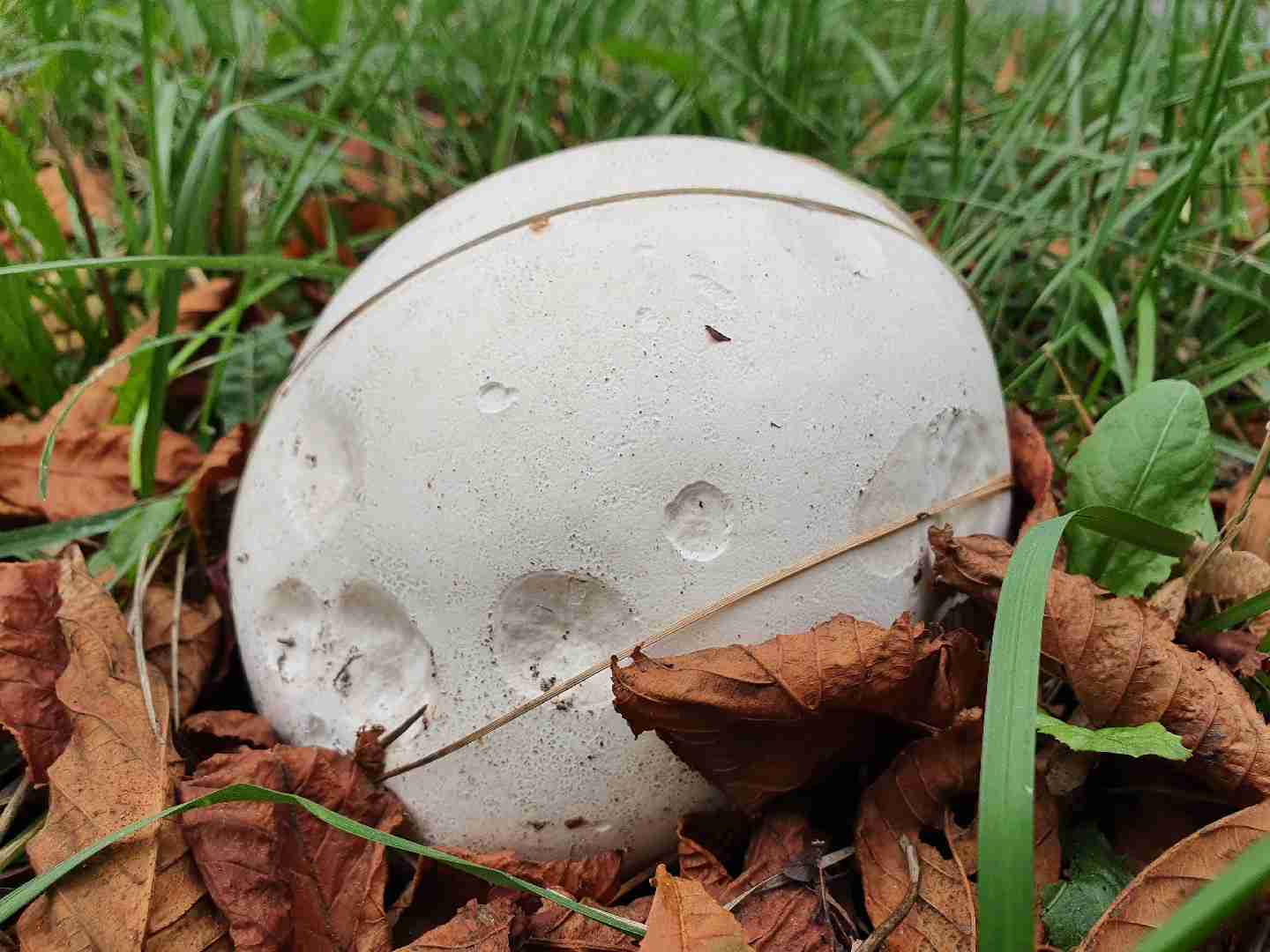
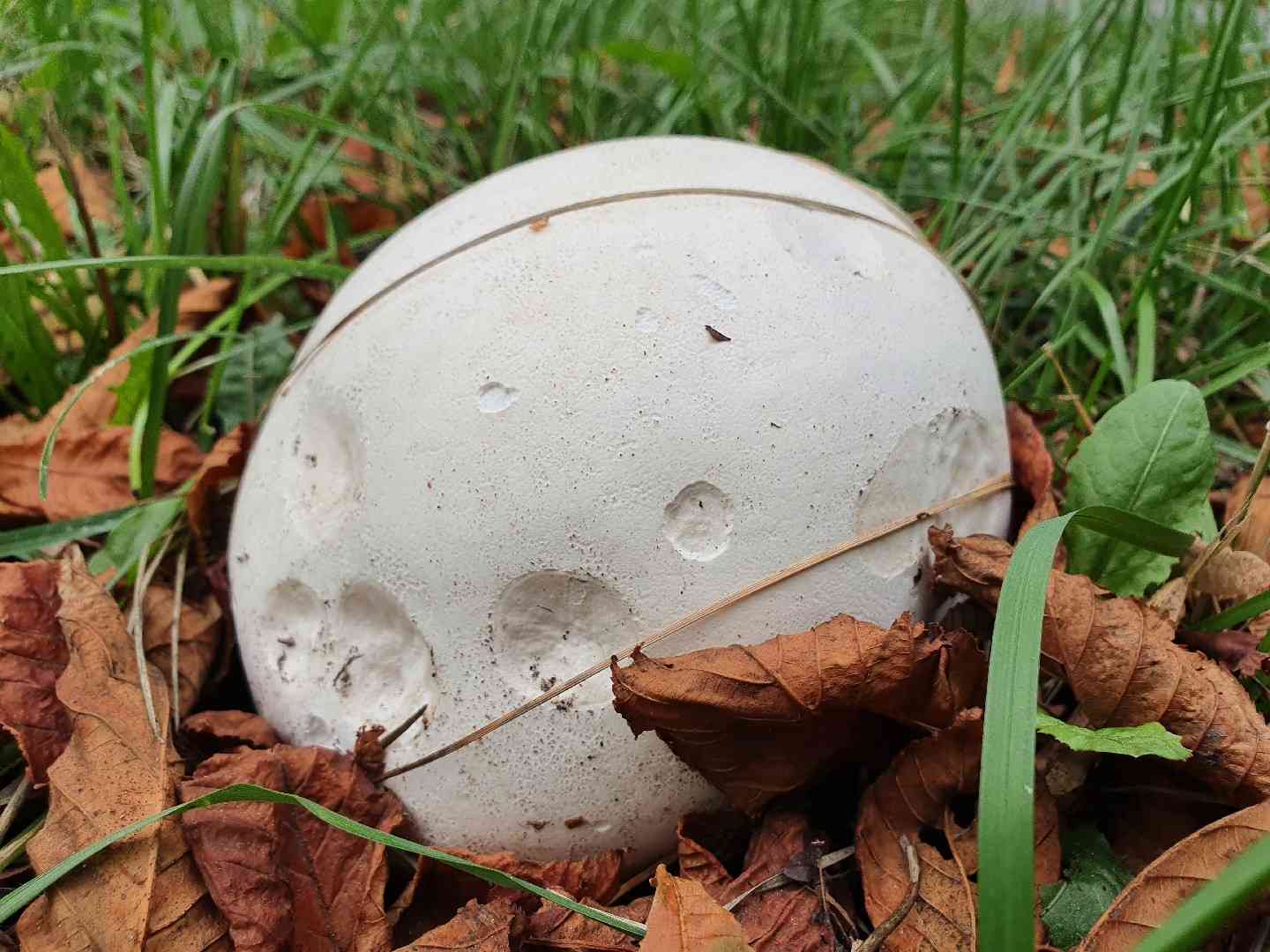
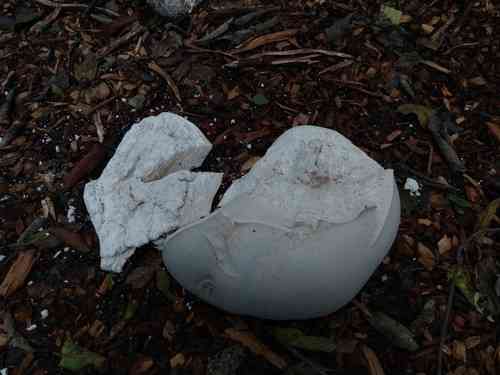
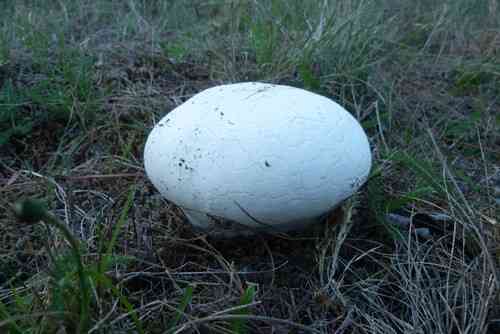
These notable spherical, pale fungi are found globally in open fields and at the fringes of woodlands. True to its designation, an individual giant puffball can reach the size of a large melon. Devoid of stems, they generate an immense number of spores that are released into the atmosphere through openings in their 'puffs.' Historically, they've served as slow-burning kindling and generate substantial smoke when ignited. Giant puffballs are technically safe to eat, but only when the mushroom is immature and firm.
Attributes of Giant puffball
Scientific Classification of Giant puffball
Toxicity and Edibility of Giant puffball
Is Giant puffball Toxic?
While generally considered edible, the giant puffball mushroom can, in certain individuals, lead to a form of mild intoxication. The more frequently reported instances of adverse reactions are observed after consuming the fully developed mushroom, manifesting as various forms of digestive upset including feelings of sickness, throwing up, and abdominal spasms. Furthermore, inhaling the spores released by the giant puffball has been linked to lycoperdonosis, a condition affecting the respiratory system. The symptoms of this illness include nausea, an accelerated heartbeat, crackling sounds in the lungs, and labored breathing.