How Often Should You Water Your Purple heart?
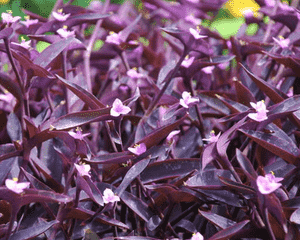
1
Purple heart plants typically require watering weekly, though this should be adapted to local conditions.
2
It's best for Purple heart plants if the soil dries out between watering sessions to avoid root decay.
3
Watering your Purple heart in the morning is ideal, as it permits the soil to dry throughout the day, lessening the risk of fungal issues.
Understanding Purple heart Moisture Requirements
General Hydration Needs for Purple heart
The Purple heart is a robust and appealing plant recognized for its vivid purple foliage. Regarding hydration, this plant prefers soil that is consistently moist but drains well. Its root system dislikes sitting in standing water, so always ensure your container has adequate drainage. Typically, irrigating once per week serves as a good guideline. However, the actual frequency can fluctuate based on several elements, which we will discuss next.
Elements Affecting Watering Frequency
Various elements can influence how often you should hydrate your Purple heart. These include the plant's dimensions, the pot's material, the growing medium, and environmental conditions such as temperature and atmospheric moisture. For instance, during warmer periods or in an arid indoor setting, your Purple heart might need more frequent watering. Conversely, in cooler, more humid conditions, you might need to irrigate it less often.
Properly Hydrating Your Purple heart
Step-by-Step Irrigation Guide
Hereâs a detailed guide for watering your Purple heart: 1. Assess the soil's moisture. Insert your finger approximately 2.5 cm (1 inch) into the soil to determine if it's dry. 2. If the soil is dry at that depth, it's time to provide water. 3. Water thoroughly until liquid begins to exit the bottom of the container. 4. Empty the drip tray beneath the pot to prevent the plant from resting in water, which can lead to root decay.
Optimal Time of Day for Watering Purple heart
The most suitable time to water your Purple heart is in the morning. Morning irrigation allows the soil to dry out throughout the day, which helps prevent fungal development and other issues linked to excessive moisture. If you water in the evening, the soil may remain damp overnight, increasing the risk of plant ailments.
Common Watering Errors to Avoid
Signs and Consequences of Overwatering
Overwatering is among the most frequent errors in Purple heart care. Indicators of excessive watering include yellowing foliage, wilting despite saturated soil, and a general lack of development. The most severe consequence of overwatering is root rot, which can be fatal to your plant. To prevent this, ensure your plant pot has effective drainage and only water when the soil feels dry to the touch.
Signs and Impact of Underwatering
Underwatering, though less common for indoor plants, can still pose a problem. Signs include dry, brittle leaves, and a droopy appearance despite parched soil. Prolonged insufficient watering can result in stunted growth and a weakened plant. Ensure you check the soil regularly and provide water as soon as the top inch (2.5 cm) of soil becomes dry.
Maintaining Ideal Humidity for Purple heart
Creating the Appropriate Environment
Purple heart plants flourish in a moderately humid environment. While they can endure lower humidity, overly dry conditions may cause the leaves to turn brown and crisp at the edges. Aim for a humidity level of approximately 40-50%. You can achieve this by placing a humidifier nearby or grouping houseplants together to establish a more humid microclimate.
Utilizing Humidity Trays and Misting
An effective method to boost humidity around your Purple heart is by using humidity trays. Fill a shallow tray with pebbles and water, then position the plant pot on top of the pebbles, ensuring that the pot's base is above the water level. This will increase the humidity as the water evaporates. Misting the plant can also be beneficial, but it's crucial to ensure the leaves dry quickly to prevent mold growth.



