How Often Should You Water Your Western red cedar?
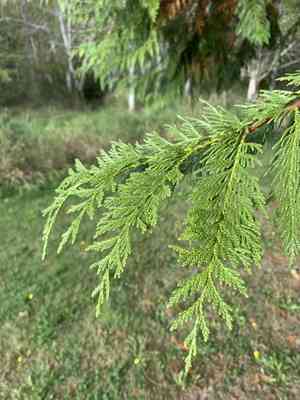
1
Established Western red cedar trees typically require less frequent irrigation than their younger counterparts.
2
Provide thorough watering to Western red cedar to promote deep root development, ensuring the soil dries out somewhat between applications.
3
During warmer periods, Western red cedar trees might need irrigation more often than weekly.
Grasping the Hydration Requirements of Western Red Cedar
Elements Affecting Water Needs
Various elements dictate the watering frequency for your Western red cedar. These trees thrive with consistent moisture but are quite adaptable. Key factors include soil composition, climate conditions, and the tree's maturity. Sandy soils drain rapidly, potentially needing more frequent irrigation, while clay soils hold water longer. In arid or hot climates, Western red cedar trees will demand more frequent watering compared to cooler or more humid areas.
Seasonal Watering Adjustments
The hydration demands of Western red cedar vary throughout the year. During peak summer heat, these trees require more frequent watering to prevent stress and desiccation. Conversely, in colder winter months, their growth slows, and they need less water. Autumn is a crucial period to ensure they are adequately hydrated to prepare for the dry winter, especially if the region experiences minimal rainfall.
Effective Watering Methods for Western Red Cedar
Selecting Appropriate Watering Equipment
Choosing the correct watering tools can significantly impact your Western red cedar's health. Soaker hoses are excellent for delivering consistent, deep hydration without waterlogging the soil. Drip irrigation systems are another superb option, as they direct water precisely to the root zone, minimizing waste. Avoid using overhead sprinklers as they can lead to water evaporating before reaching the roots.
Step-by-Step Watering Procedure
To properly hydrate your Western red cedar, begin by checking the soil's moisture level approximately 15 cm (6 inches) below the surface. If dry, it's time to water. Apply water slowly and deeply using a soaker hose or drip system at the tree's base. Aim to moisten the soil to a depth of about 45-60 cm (18-24 inches). After watering, allow the top 5-10 cm (2-4 inches) of soil to dry before the next session. This prevents overwatering and a waterlogged environment.
Typical Indicators of Excessive and Insufficient Watering
Recognizing Symptoms of Overwatering
Overwatering your Western red cedar can result in several harmful symptoms. Look for yellowing or browning foliage, particularly on lower branches, which may signal root rot. The tree might also exhibit stunted growth and develop a soggy, unpleasant-smelling soil. In severe cases, overwatering can cause needle loss. Prevent this by ensuring the soil dries between waterings and maintaining good drainage.
Identifying Signs of Underwatering
Underwatering presents different symptoms that can be equally damaging. If a Western red cedar doesn't receive enough water, you might observe browning and curling needles, especially at the tips. The tree could shed its needles prematurely, and branches may become brittle. The soil around the tree will also be dry and potentially cracked. To rectify this, increase watering frequency, particularly during dry spells.
Maintaining Optimal Soil Moisture Levels
Techniques for Moisture Retention
To sustain ideal soil moisture, consider applying mulch around the base of your Western red cedar. Organic mulches, such as wood chips or bark, can help retain moisture, regulate soil temperature, and suppress weeds. Aim for a 7-10 cm (3-4 inch) layer of mulch, but keep it a few centimeters (about 2 inches) away from the tree trunk to prevent rot. Additionally, incorporating compost into the soil can enhance its water-holding capacity.
When to Modify Your Watering Schedule
Adjusting your watering schedule is essential to accommodate changes in weather, tree age, and soil conditions. During periods of heavy rainfall, you can reduce watering to prevent saturation. In times of drought or extreme heat, you might need to water more frequently. Young trees generally require more water as they establish their roots, while mature trees can be watered less often. Always monitor soil moisture and adapt your schedule accordingly.



