How Often Should You Water Your Cylindrical snake plant?
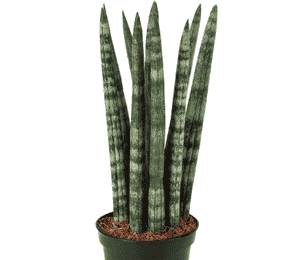
1
The Cylindrical snake plant tolerates dry spells for up to a month, making it an easy-care specimen.
2
Moisten your Cylindrical snake plant every fortnight for optimal health and growth.
3
Allow the plant's potting mix to fully dry out between watering sessions to avoid root decay.
Grasping the Hydration Requirements of Your Cylindrical Snake Plant
Core Principles of Cylindrical Snake Plant Moisture
The Cylindrical snake plant, recognized for its distinctive, tube-like foliage and hardiness, belongs to the succulent family. These plants originate from arid environments, meaning they have evolved to survive with minimal water. Unlike other indoor plants, the Cylindrical snake plant possesses thick, moisture-retaining leaves that store water, enabling it to flourish even in dry conditions. Comprehending this fundamental characteristic is vital to prevent common watering errors. Typically, the plant should receive water every two weeks to emulate its natural habitat.
Indicators of Excessive and Insufficient Watering
Identifying the signs of overwatering and underwatering in your Cylindrical snake plant is crucial for maintaining its vitality. Overwatering can lead to root decay and yellowing foliage, as the roots become saturated and lack oxygen. Conversely, insufficient watering is indicated by shriveled or browning leaf tips and a generally droopy appearance. If these symptoms appear, adjust your watering regimen accordingly. Ensure the container has proper drainage and only irrigate when the top inch (2.5 cm) of soil is dry.
Optimal Practices for Hydrating Your Cylindrical Snake Plant
When to Hydrate: Seasonal Fluctuations
The watering demands for your Cylindrical snake plant can vary with the seasons. During the summer, when the plant is actively growing, it requires slightly more moistureâpotentially every 10 to 14 days. In winter, the plant's growth slows, and its water needs decrease. During these colder months, watering every 3 to 4 weeks might suffice. Always check the soil's moisture level before watering, as factors like indoor heating can influence evaporation rates.
How to Hydrate: Methods for Ideal Moisture
Effective watering techniques for the Cylindrical snake plant involve thoroughly saturating the soil and then allowing it to completely dry out before the subsequent watering session. Utilize a watering can with a slender spout to avoid wetting the leaves, as excess moisture can cause rot. Ensure the pot has drainage holes to prevent water from accumulating at the bottom. Another efficient method is bottom watering, where the pot rests in a tray of water for approximately 10 minutes, allowing the roots to absorb moisture from below.
Addressing Common Watering Challenges
Modifying Watering Schedules During Extreme Weather
Extreme weather conditions, such as a heatwave or an unusually cold winter, may necessitate alterations to your watering schedule. During hot, dry periods, inspect the soil more frequently, as increased evaporation might require you to water a bit more often. In contrast, during prolonged cold or damp conditions, ensure the plant is not watered too frequently, as the combination of cold and wet soil can be harmful. Always rely on soil moisture as your primary indicator.
Managing Waterlogged Soil: Advice and Solutions
If you encounter waterlogged soil, immediate action is necessary to rescue your Cylindrical snake plant. First, remove the plant from its container and allow the roots to aerate and dry for about a day. Trim any soft, decayed roots with sanitized scissors. Repot the plant in fresh, well-draining soil mixed with perlite or sand to enhance drainage. Ensure the new pot has adequate drainage holes to prevent future waterlogging.
FAQs: Mastering the Watering of Your Cylindrical Snake Plant
Is Tap Water Suitable for My Cylindrical Snake Plant?
Yes, you can use tap water for your Cylindrical snake plant, but it's advisable to let the water sit out for 24 hours prior to use. This allows any chlorine and fluoride in the water to dissipate, reducing potential harm to the plant. If your tap water is heavily treated or hard, consider using distilled or rainwater for an added level of plant care.
How Can I Determine If My Plant Requires Water?
To ascertain if your Cylindrical snake plant needs water, insert your finger about an inch (2.5 cm) into the soil. If the soil feels dry at this depth, it's time to water. You can also employ a moisture meter for more precise readings. Additionally, observe the plant for any visual cues, such as wrinkled leaves or soil separating from the pot's edges, which indicate that the plant is thirsty.



