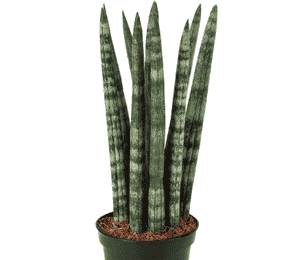
Cylindrical snake plant (Sansevieria cylindrica)
Also known as: Bowstring hemp, Spear sansevieria, Dagger plant, Devil's tongue, Saint Barbara sword
The Cylindrical Snake Plant (Sansevieria cylindrica) is a robust succulent that can reach heights of up to 2 meters. It features slender, upright, striped leaves that resemble a snake. This plant is particularly hardy, thriving in low-light environments and adapting well to dry, sunny conditions with well-drained soil.
Attributes of Cylindrical snake plant
Images of Cylindrical snake plant
Quickly Identify Cylindrical snake plant
Scientific Classification of Cylindrical snake plant
Planting and Growing of Cylindrical snake plant
 How to Water Cylindrical snake plant?
 What Are the Sunlight Requirements for Cylindrical snake plant?
 What Is the Ideal Temperature Range for Cylindrical snake plant?
 What Soil is Best for Cylindrical snake plant?
 How to Fertilize Cylindrical snake plant?
 How to Prune Cylindrical snake plant?
 How to Propagate Cylindrical snake plant plant?
 How to Repot Cylindrical snake plant plant?
Toxicity of Cylindrical snake plant
Is Cylindrical snake plant toxic to cat?
The cylindrical snake plant poses a toxicity risk to cats. If a cat accidentally ingests any portion of the plant, it may experience physical discomfort, suggesting a possible poisoning situation. Every part of the cylindrical snake plant is poisonous and can endanger a cat's well-being. Therefore, it is crucial that if a cat shows symptoms of sickness following any interaction with the cylindrical snake plant, immediate veterinary care is necessary for proper diagnosis and treatment.
Is Cylindrical snake plant toxic to dog?
The cylindrical snake plant is deemed toxic to dogs. Ingestion of any part of this plant can result in poisoning. Dogs might inadvertently consume portions of the cylindrical snake plant out of curiosity or due to a lack of other engaging activities. The plant, encompassing leaves, stems, and roots, poses a toxic threat and can provoke adverse reactions in dogs. Symptoms indicating poisoning from the cylindrical snake plant may encompass vomiting, diarrhea, drooling, lethargy, or even more severe manifestations depending on the quantity ingested and the size of the dog. It is essential for dog owners to remain alert and prevent their pets from coming into contact with the cylindrical snake plant. If ingestion is suspected, prompt veterinary care is vital to safeguard the health and well-being of the affected dog.



