How Often Should You Water Your African violet?
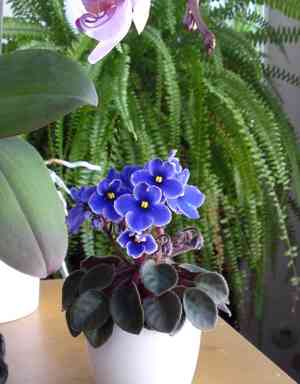
1
Provide moisture to your African violet weekly for optimal health. Modify schedule according to environment and plant requirements.
2
African violets favor tepid water. Allow tap water to stand overnight to dissipate chlorine.
3
Prevent water from contacting the foliage; this can lead to blemishes and fungal diseases.
Grasping the Hydration Needs of African Violets
The Essentials of African Violet Moisture
Understanding your African violet's hydration requirements is vital for fostering robust development and vibrant blooms. These appealing plants, recognized for their colorful, velvety blossoms, flourish in a consistently damp environment. Achieving equilibrium is keyâexcessive water can cause root decay, while insufficient water leads to wilting and browning leaves. Typically, watering weekly suffices, but always verify soil moisture. The top 2.5 cm (1 inch) of soil should be dry before re-watering.
Indicators of Excessive and Insufficient Watering
Identifying signs of overwatering and underwatering can protect your African violet from potential harm. Over-hydrated plants often display yellowing foliage, soft stems, and an unpleasant smell. Roots might appear brown or black and slimy. Conversely, under-hydrated African violets show wilting, leaf curling, and dry soil. Leaves may seem crisp and fragile. Regularly checking soil moisture and modifying watering habits can help alleviate these issues. Employ a moisture meter for more precise monitoring.
Optimal Watering Practices for Your African Violet
Selecting the Appropriate Water
The water type used for your African violet significantly impacts its well-being. Lukewarm water is best to prevent shocking the roots. Tap water is generally acceptable, but let it sit overnight to allow chlorine or fluoride to dissipate. Distilled or filtered water are also excellent choices as they minimize chemical accumulation in the soil. Remember, cold water directly from the tap can harm roots and hinder growth.
Methods for Effective Hydration
For effective watering, always hydrate your African violet from below. Place the pot in a water-filled saucer, allowing the plant to absorb moisture through its drainage holes. This technique prevents water from splashing onto leaves, which can cause spots and fungal problems. Leave the plant in the saucer for about 30 minutes, then discard any remaining water. Alternatively, use a self-watering pot to maintain steady moisture levels. Ensure your pot has adequate drainage to prevent standing water, which can lead to root rot.
Common Watering Errors to Avoid with African Violets
Using Cold Tap Water Directly
A frequent error is using cold water straight from the tap. Such water can shock the roots and impede plant development. Always allow tap water to reach room temperature before watering. Ideally, use water that has sat overnight, which not only brings the temperature to an appropriate level but also permits chemicals like chlorine to dissipate.
Overcrowding Plants
Overcrowding African violets can restrict air circulation and lead to excessive dampness, encouraging fungal infections and pests. Ensure each plant has ample space to breatheâapproximately 15-20 cm (6-8 inches) apart is ideal. Proper spacing also guarantees even light distribution and prevents competition for nutrients.
Ignoring Seasonal Adjustments
Another pitfall is failing to adjust watering frequency with seasonal changes. During winter months, African violets typically require less water due to reduced growth and lower evaporation rates. Conversely, in summer, they might need more frequent watering due to higher temperatures and increased evaporation. Always monitor soil moisture and adapt watering practices accordingly to maintain your plant's health year-round.



