How Often Should You Water Your Dog rose?
1
Provide water to your Dog rose bi-weekly for optimal health.
2
Watering your Dog rose in the early morning is ideal to reduce water loss and prevent fungal issues.
3
Assess soil dampness by pushing your finger approximately 2.5 cm (1 inch) into the growing medium.
Grasping the Hydration Requirements of Dog rose
Elements Affecting Water Demands
The hydration needs of Dog rose can fluctuate based on several aspects including the plant's growth environment, soil composition, and climate. In sandy substrates, water drains rapidly, necessitating more frequent irrigation. Conversely, clay soils retain moisture longer. Outdoor Dog rose specimens might require more regular watering during arid periods, while those in shaded spots or planted in organically rich soils could need less. Always consider these points to provide your Dog rose with optimal moisture.
Indicators of Adequate Hydration in Dog rose
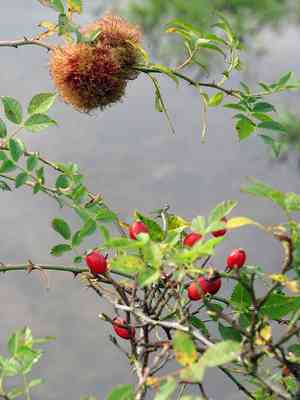
Well-hydrated Dog rose plants display lush and vibrant foliage. The leaves should feel firm and be free from wilting. Observe consistent blooming patterns and the development of healthy rose hips. These signs confirm that your watering regimen is meeting the plant's requirements. Conversely, yellowing leaves, stunted development, or dry soil can signal a need to re-evaluate your watering practices.
Optimal Practices for Watering Dog rose
When to Irrigate: Time of Day and Seasonal Variation
Watering Dog rose in the early morning is advantageous as it allows ample time for the plant to absorb moisture before the day's heat. This timing also helps prevent fungal ailments which can arise if the foliage remains damp overnight. The seasonal requirements of Dog rose also differ; during warmer months, you might need to water more often, while in cooler weather, the frequency can be decreased. Monitoring the temperature will guide your watering schedule.
How to Irrigate: Methods for Effective Moisture Delivery
Effective watering techniques are vital for the well-being of your Dog rose. Utilize a soaker hose or a drip irrigation system to apply water directly to the soil, minimizing moisture loss due to evaporation and preventing the foliage from becoming excessively wet. Water deeply and slowly to ensure that the moisture permeates the root zone. If you're watering by hand, avoid splashing water onto the leaves to lessen the risk of fungal infections.
Monitoring Soil Moisture Levels
Regularly checking soil moisture levels can assist you in maintaining an effective watering routine. Insert your finger approximately 2.5 cm (1 inch) into the soil; if it feels dry, it's time to water. You can also employ a moisture meter for greater precision. Soil that remains consistently wet may indicate overwatering, while dry and crumbly soil suggests your Dog rose requires more frequent irrigation.
Common Watering Errors to Avoid with Dog rose
Excessive Watering and Its Repercussions
Overwatering is a frequent error that can lead to root rot and other fungal diseases in Dog rose. Symptoms include yellowing leaves, a slimy texture to the roots, and an unpleasant odor from the soil. To prevent overwatering, ensure your containers have sufficient drainage, and allow the soil to dry out slightly between waterings.
Insufficient Watering: Recognizing the Indicators
Underwatering can stress your Dog rose, resulting in wilted foliage, brown leaf edges, and poor blooming. Under-hydrated plants may also be more vulnerable to pests and diseases. Ensure that you're providing consistent moisture, especially during dry periods, to keep your Dog rose thriving.
Adjusting Watering Habits in Changing Climates
Fluctuating climates necessitate modifications in your watering routine. During extended heatwaves or droughts, increase the frequency and volume of water. Conversely, during rainy seasons or cooler months, reduce watering to prevent waterlogging. Being adaptable and observant of the weather conditions will help you adjust your watering practices effectively.



