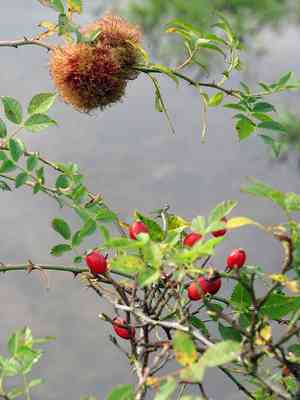
Dog rose (Rosa canina)
Also known as: Dog Briar, Common briar, Rose hip
The Dog Rose is a climbing rose with pale pink blossoms. This plant is known for its ability to scale various structures, including trees. Historical references to the Dog Rose go back to ancient Rome, and it appears in European folklore and even in Shakespeare's works.
In This Article
Attributes of Dog rose
Lifespan
Perennial
Plant Type
Shrub, Vine
Plant Height
1 m to 5 m
Spread
90 cm to 4.5 m
Leaf Color
Green Blue
Flower Size
4 cm to 6 cm
Flower Color
Pink White
Images of Dog rose
Quickly Identify Dog rose
1
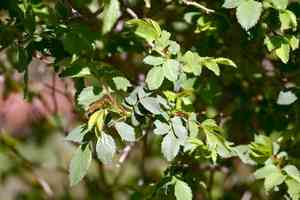
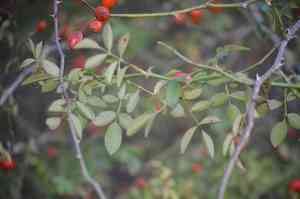
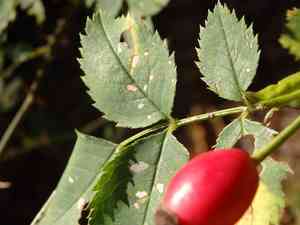
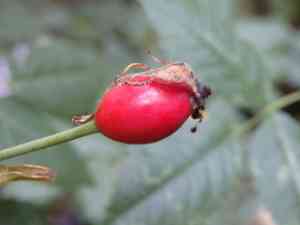
Rosa canina can be recognized by its arching stems with robust, downward-curved thorns. The leaves are pinnate with 5–7 leaflets, each ovate and serrated. Flowers are usually pale pink or white, and the fruit, known as a hip, is bright red or orange.
Scientific Classification of Dog rose
Phylum
Vascular plants
Class
Dicotyledons
Order
Rosales
Family
Rose
Genus
Roses
Species
Dog rose
Planting and Growing of Dog rose
Care Difficulty
Easy
Watering Schedule
Every 4 days
Sunlight Requirements
Full sun
Sunshine Duration
4-8 hours
Ideal Temperature
59-77℉
Soil Type
Potting Mix, Peat Mix
Soil pH
6.5-7.5
Fertilizer Type
Balanced
Pruning Season
Spring, Summer
Pruning Area
Branches, Leaves
Pruning Frequency
2 times a year
Repotting Season
Spring
Pot Type
Plastic, Ceramic
 How to Water Dog rose?
Rosa canina generally requires about 500 milliliters of water per session. When watering, aim to thoroughly saturate the soil until it is evenly moist but not waterlogged, allowing for drainage. Soil should be checked beforehand to ensure the top few centimeters are dry before watering again.
More About Watering Techniques→
What are the symptoms of an underwatered Dog rose?
›
What should I do if my Dog rose is not getting enough water?
›
What are the symptoms of an overwatered Dog rose?
›
How to save an overwatered Dog rose?
›
 What Are the Sunlight Requirements for Dog rose?
Rosa canina ideally requires full sun exposure or partial sun conditions. With proper sunlight, the plant thrives with robust growth and plentiful blooms, making it a vibrant addition to any garden.
More About Sunlight Requirements Techniques→
How much sun does Rosa canina need?
›
What if my area doesn't get enough sunlight?
›
Why is ideal lighting important for Rosa canina?
›
 What Is the Ideal Temperature Range for Dog rose?
Rosa canina thrives in a temperature range between 59°F and 77°F. These conditions simulate a temperate climate, where the plant can photosynthesize effectively and grow at a normal rate. Optimal air temperature supports the plant's metabolic processes, ensuring healthy foliage and robust flowering. Maintaining this temperature range helps prevent stress-related diseases and supports overall vitality.
 What Soil is Best for Dog rose?
Rosa canina thrives in well-drained soils to prevent root rot. Ensuring proper drainage is crucial, as it allows air circulation around the roots, enhancing nutrient absorption and promoting healthy growth. The plant prefers soils rich in organic matter for optimal growth. Nutrients from decomposed matter provide essential elements which support robust flowering and disease resistance. Maintaining soil moisture without waterlogging is crucial. Consistent moisture helps maintain plant vitality, while aeration prevents suffocation of roots, aiding in healthier and more resilient plants.
More About Soil→
 How to Fertilize Dog rose?
For Rosa canina, the amount of fertilizer should be measured carefully. Use about 20 grams of granular slow-release fertilizer per application, evenly spread around the base of the plant. For liquid fertilizers, prepare a solution with 5 milliliters of concentrate mixed in 1 liter of water for each application.
More About Fertilizing Techniques→
 How to Prune Dog rose?
Start by identifying and removing any dead or diseased branches. Cut them back to the base to prevent the spread of disease and maintain plant health. Trim back branches that are growing out of bounds or crossing each other. This helps to maintain the desired shape and prevents rubbing that can cause damage. To encourage new growth and flowering, prune back the stems to just above a healthy outward-facing bud. This helps direct new shoots away from the center of the plant for better air circulation.
More About Pruning Techniques→
 How to Propagate Dog rose plant?
1
Gather seeds from Rosa canina hips after they ripen in the autumn. Clean the seeds thoroughly to remove any pulp and let them dry. Before planting, some gardeners prefer to stratify the seeds by placing them in a moist, cool environment for several weeks to break dormancy.
2
Using a sharp pair of pruning shears, cut a healthy stem section of approximately 6-8 inches in length. Remove the lower leaves to expose nodes, which will be the primary areas for root development. Dip the cutting’s base in rooting hormone before planting it in soil.
3
Dig up a mature Rosa canina plant in early spring or autumn. Carefully separate the root clumps into smaller sections, ensuring that each division has ample roots and shoots. Replant immediately, watering them well to reduce transplant shock.
 How to Repot Dog rose plant?
1
Rosa canina should be repotted when it starts to show slow growth or the roots begin to circle inside the pot. Repotting is ideally done during spring or autumn to minimize shock and encourage robust root establishment. These seasons provide optimal temperatures and moisture conditions that promote root growth and quicker adaptation to the new environment.
2
Select a pot that is slightly larger than the current one, with sufficient drainage holes. A terracotta pot is ideal as it allows for aeration and prevents water retention, which can lead to root rot. The size increase should be proportional to the plant’s growth needs, ensuring enough space for roots without excessive space that might retain too much water.
3
Opt for a well-draining soil mix containing organic matter, sand, and perlite. This mix ensures that water does not accumulate around the roots, preventing diseases. Moreover, the organic matter provides essential nutrients while maintaining adequate moisture, making it perfect for Rosa canina's growth demands.



