How Often Should You Water Your Philodendron gloriosum?
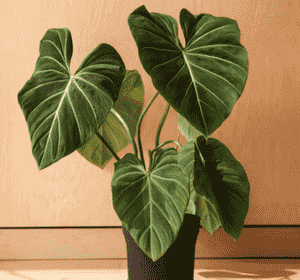
1
During its active growth phase, provide your Philodendron gloriosum with water weekly for peak vitality.
2
Confirm your plant's substrate drains effectively to prevent saturated roots, a common cause of root decay.
3
Think about employing a soil moisture sensor to precisely determine when to re-water.
Deciphering the Hydration Requirements of Philodendron gloriosum
Water's Essential Role in Plant Vitality
Water is crucial for the overall health and development of your Philodendron gloriosum. It's indispensable for photosynthesis, nutrient transport, and maintaining cell structure. Sufficient hydration ensures the plant can perform these functions effectively, leading to a vibrant and thriving appearance. Insufficient water can quickly stress the plant, causing wilting and potential long-term damage.
Indicators of Excessive and Insufficient Watering
Achieving a proper balance in watering your Philodendron gloriosum is vital. Overwatering can cause root decay, evidenced by yellowing foliage and soft stems. Conversely, underwatering often results in brown leaf edges and a generally limp, dehydrated look. Regularly checking soil moisture and observing the plant's health helps maintain this balance.
Optimal Watering Practices for Philodendron gloriosum
How to Ascertain When to Hydrate
The best method to determine when to water your Philodendron gloriosum is by checking the upper 2-3 centimeters (1 inch) of the potting medium. If it feels dry, it's time to water. Additionally, the plant's leaves can act as signals; drooping often indicates a need for moisture. Establishing a consistent watering schedule, typically weekly, helps maintain regularity.
Correct Watering Methodologies
When hydrating your Philodendron gloriosum, ensure you water thoroughly until excess liquid begins to drain from the pot's base. This technique guarantees the roots receive ample moisture. Avoid letting the pot sit in drained water, as this can lead to root problems. Water in the morning to allow any surplus moisture on the leaves to evaporate, minimizing the risk of fungal issues.
Modifying Watering Based on Environmental Conditions
Seasonal Adjustments in Hydration Frequency
During its active growth phase (spring and summer), your Philodendron gloriosum will require more frequent watering, approximately once a week. In its dormant period (fall and winter), reduce watering frequency to every two weeks or based on soil dryness. Seasonal adjustments help meet the plant's changing needs and prevent overwatering.
Influence of Humidity and Temperature
High humidity levels and stable temperatures can affect your Philodendron gloriosum's watering requirements. In a humid environment, the soil retains moisture longer, potentially decreasing the needed watering frequency. Conversely, in dry or hot conditions, the soil dries out faster, necessitating more frequent hydration. Monitoring these environmental factors is crucial for timely adjustments.
Common Errors to Avoid When Watering Philodendron gloriosum
Overwatering Dangers and Their Prevention
Overwatering is a frequent mistake with Philodendron gloriosum, often leading to root rot. To prevent this, ensure the pot has adequate drainage and avoid watering if the soil's top layer is still damp. Utilizing a moisture meter can eliminate guesswork, ensuring you only water when necessary.
Ensuring Proper Drainage
Adequate drainage is vital for your Philodendron gloriosum's well-being. Use a pot with drainage holes and a well-draining soil mix to prevent waterlogging. Ensure that any excess water can flow out freely, preventing the roots from sitting in water. Over time, this practice significantly reduces the risk of root rot and related problems.



