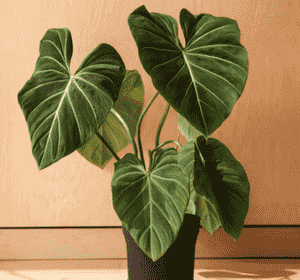
Philodendron gloriosum(Philodendron gloriosum)

Philodendron gloriosum (Philodendron gloriosum)

Also known as: Velvet leaf philodendron

Philodendron gloriosum, known for its creeping growth pattern, prefers a loose, well-draining soil mixture. Ideal components include peat moss, perlite, orchid bark, and compost to ensure moisture retention without waterlogging. This plant is relatively easy to cultivate but is toxic to both humans and pets, so it's important to keep it out of reach of children and animals.

Attributes of Philodendron gloriosum

Lifespan
Perennial
Plant Type
Herb
Plant Height
91 cm
Spread
90 cm
Leaf Color
White Green Pink
Flower Size
Not typically noted for ornamental flowers
Flower Color
White

ForwardPlant - Identify plants with a snap

Identify and diagnose plants, get toxicity alerts, and explore safety guides for all types of fungi.

Try for Free

Images of Philodendron gloriosum

Philodendron gloriosum(Philodendron gloriosum)

Quickly Identify Philodendron gloriosum

1
Look for large, heart-shaped leaves with a velvety texture and pronounced veins. The veins are typically white or pink, and the leaves have a matte green appearance. The plant creeps along the ground rather than climbing. Leaves can grow up to 36 inches long.

Scientific Classification of Philodendron gloriosum

Phylum
Vascular plants
Class
Monocotyledons
Order
Water plantains and allies
Family
Arum
Genus
Philodendrons
Species
Philodendron gloriosum

Planting and Growing of Philodendron gloriosum

Care Difficulty
Easy
Watering Schedule
Every 3 days
Sunlight Requirements
Partial sun
Sunshine Duration
4-8 hours
Ideal Temperature
65-85℉
Soil Type
Potting Mix, Peat Mix
Soil pH
5.5-7.5
Fertilizer Type
Balanced
Pruning Season
Spring, Summer
Pruning Area
Branches, Leaves
Pruning Frequency
2 times a year
Repotting Season
Spring
Pot Type
Plastic, Terracotta

water icon How to Water Philodendron gloriosum?

Philodendron gloriosum requires thorough watering where soil becomes evenly moist but not soggy. The goal is to mimic its natural habitat by keeping the soil damp but allowing it to dry slightly between watering. A 250ml watering session typically strikes this balance, adjusting for humidity and temperature.
What are the symptoms of an underwatered Philodendron gloriosum?
What should I do if my Philodendron gloriosum is not getting enough water?
What are the symptoms of an overwatered Philodendron gloriosum?
How to save an overwatered Philodendron gloriosum?
More About Watering Techniques

sunlight icon What Are the Sunlight Requirements for Philodendron gloriosum?

Sunlight Requirements: Partial sun
Duration of light: 2-4 hours daily
Philodendron gloriosum performs best with partial sunlight, avoiding direct exposure. Ideal lighting ensures vibrant, lush growth and maximizes its foliage potential.
What type of lighting does Philodendron gloriosum prefer?
How can you ensure Philodendron gloriosum gets ideal lighting?
What are the benefits of ideal lighting for Philodendron gloriosum?
More About Sunlight Requirements Techniques

temperature icon What Is the Ideal Temperature Range for Philodendron gloriosum?

Ideal Temperature: 65 ~ 85℉
Philodendron gloriosum thrives best within a temperature range of 65 to 85°F. This range closely mimics the warm, humid environment of its natural tropical habitat. Consistency within this range ensures optimal growth and prevents stress-related issues, allowing the plant to exhibit robust leaf coloration and healthy root development.

soil icon What Soil is Best for Philodendron gloriosum?

Soil type: Loam, Sandy loam, Peat soil
Soil PH: 5.5 ~ 7.5
Philodendron gloriosum thrives in well-draining soil to prevent root rot. The soil should allow excess water to escape easily, ensuring the roots have access to air and avoiding waterlogging, which can contribute to healthy root growth. The plant benefits from soil rich in organic matter, which provides essential nutrients. This can be achieved by mixing compost or aged manure into the soil. Adequate nutrition supports lush foliage and vigorous growth. The soil should maintain moisture without becoming compacted. Adding perlite or orchid bark can help maintain the balance of moisture and aeration, promoting healthy root development and preventing soil compaction. More About Soil

fertilize icon How to Fertilize Philodendron gloriosum?

Fertilizer type: Balanced
For Philodendron gloriosum, a balanced approach to fertilizer amount is essential. During the growing season, use a dilute solution of water-soluble fertilizer at a concentration of 1/4th the strength recommended on the packaging. This ensures the plant receives adequate nutrients without the risk of fertilizer burn. More About Fertilizing Techniques

prune icon How to Prune Philodendron gloriosum?

Pruning Time: Spring, Summer, Autumn
Remove any yellowing, damaged, or dead leaves by cutting them at the base where they meet the main stem. This improves the plant's appearance and redirects energy to healthy growth, ensuring the plant remains vigorous. For shaping, trim away overgrown stems to maintain a desired compact form. Cut at a node above a leaf, as this encourages new growth. Pruning for shape not only keeps it organized but also stimulates fuller foliage. More About Pruning Techniques

propagate icon How to Propagate Philodendron gloriosum plant?

Propagate Time: Spring, Late spring
1
Before beginning propagation, ensure that the parent Philodendron gloriosum is healthy and well-hydrated. This preparation ensures that the plant can handle the stress of propagation better and that the cuttings or divisions are the healthiest possible.
2
Use a sterilized and sharp knife or scissors to take a stem cutting or divide the rhizome carefully. For stem cuttings, ensure each piece has at least one node, which is essential for root generation.
3
After applying rooting hormone, gently place the cuttings into a moist, well-draining potting mix. Water well after planting and maintain high humidity to promote root development.
More About Propagating Techniques

repot icon How to Repot Philodendron gloriosum plant?

Repotting frequency: Every 1-2 years
1
Philodendron gloriosum clearly signals its need for repotting when roots start to peek out from the drainage holes or when the growth becomes stunted. Addressing these signs promptly in spring or summer ensures the plant thrives with ample room to grow.
2
Select a pot slightly larger than the current one, ideally with drainage holes. This allows excess water to escape, preventing root rot, and provides space for root expansion, promoting lush growth and vibrancy in your Philodendron gloriosum.
3
Opt for a peat-based mix enriched with perlite for added aeration. This combination maintains moisture balance while preventing compaction, which can suffocate roots. The airy structure is crucial for the health of Philodendron gloriosum.

ForwardPlant - Identify plants with a snap

Find the best spots for them to optimize their health, simply using your phone.

Try for Free

Toxicity of Philodendron gloriosum

Is Philodendron gloriosum toxic to humans?

Philodendron gloriosum exhibits a mild toxicity level in humans, primarily due to accidental ingestion. The entire plant contains calcium oxalate, which is responsible for its toxic characteristics. When any part of Philodendron gloriosum is ingested, the calcium oxalate can provoke various symptoms. Affected individuals may endure a burning sensation in the mouth and throat, along with swelling of the lips, tongue, and tissues within the oral cavity, potentially leading to difficulties in swallowing. Furthermore, exposure to the eyes can cause severe pain and inflammation. Gastrointestinal issues, such as nausea, vomiting, and diarrhea, are also frequently reported following the consumption of any portion of Philodendron gloriosum. It is crucial for individuals, particularly those with children or pets, to recognize the plant's toxic dangers and take measures to avoid accidental ingestion.

Is Philodendron gloriosum toxic to cat?

Philodendron gloriosum presents a mild risk of toxicity to felines. If a cat consumes any portion of the plant, as toxins are present throughout, it may exhibit uncomfortable symptoms. The main toxic component found in philodendron gloriosum is calcium oxalate, which may result in signs of physical distress. If there is any suspicion of a cat having ingested philodendron gloriosum, immediate veterinary care is vital, as timely intervention is critical for the pet's health and welfare.

Is Philodendron gloriosum toxic to dog?

Philodendron gloriosum carries a mild toxicity threat for dogs. If dogs inadvertently consume any part of this plant, they may face poisoning risks due to the presence of calcium oxalate crystals found throughout the plant's tissues. Poisoning symptoms in dogs can include oral irritation, excessive drooling, vomiting, and trouble swallowing. It is vital for dog owners to remain alert and prevent their pets from eating philodendron gloriosum. Should a dog ingest philodendron gloriosum, it is essential to obtain prompt veterinary attention to administer appropriate treatment and manage the symptoms effectively.

Identify toxic plants for your safety

Learn which plants are harmful to you and your pets, and make informed choices for a safer home!

Try for Free
WARNING
The judgment on toxicity and danger is for reference only. We DO NOT GUARANTEE any accuracy of such judgment. Therefore, you SHALL NOT rely on such judgment. It is IMPORTANT TO SEEK PROFESSIONAL ADVICE in advance when necessary.
More About Toxic Techniques

