How Often Should You Water Your Barbados gooseberry?
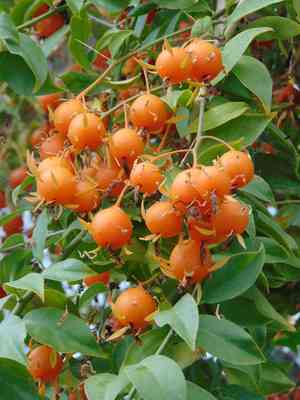
1
Moisten your Barbados gooseberry bi-weekly throughout its active growth phase for peak vitality.
2
The Barbados gooseberry thrives in soil that drains effectively to avoid root decay, a frequent problem from excessive watering.
3
Employ tepid water when hydrating your Barbados gooseberry to replicate its native, warm climate.
Understanding the Hydration Requirements of Barbados Gooseberry
The Distinctive Moisture Needs of Barbados Gooseberry
The Barbados gooseberry (Pereskia aculeata) is a captivating plant species, noted for its unique appearance and adaptability. Unlike many succulents, it features broad, fleshy leaves and woody stems. This species demands a different watering strategy compared to other plants in its family. Originating from tropical regions, it thrives in consistently moist environments, making it crucial to comprehend its specific water requirements. The Barbados gooseberry needs regular irrigation, especially during its active growth periods in spring and summer. A general guideline is to water it twice weekly, ensuring the soil remains damp but not saturated. This frequent watering schedule helps maintain the plant's hydration without overwhelming its root system.
Factors Influencing Water Demands
Several elements can impact the amount of water your Barbados gooseberry will require. Firstly, the plant's placement is crucial. If your Barbados gooseberry is outdoors, it may need more water than an indoor plant due to higher evaporation rates. Secondly, the soil type significantly affects moisture retention. Well-draining soil is vital as it prevents root rot, a common issue from excessive watering. Additionally, the plant's size and its container also matter; larger plants and pots generally demand more water. Lastly, the time of year influences watering needs. During the dormant winter months, reduce irrigation to once weekly or less, as the plant's growth slows considerably.
Optimal Practices for Irrigating Barbados Gooseberry
When to Hydrate: Identifying the Correct Moment
Determining the appropriate time to water your Barbados gooseberry is essential for its overall health. The best method is to check the soil's moisture level. Insert your finger approximately 5 centimeters (2 inches) into the soil. If the top layer feels dry, it's time to water. Consistently check the soil during warmer months, as it will dry out more quickly. Water in the early morning or late afternoon to minimize evaporation and allow the plant to absorb the necessary moisture effectively.
How Much to Hydrate: Volume is Key
The quantity of water your Barbados gooseberry needs can vary based on its size and environmental conditions. Apply enough water until it begins to drain from the pot's bottom, ensuring all roots receive adequate hydration. Avoid small, frequent watering as it promotes shallow root development. Instead, opt for deep watering twice a week. Approximately, you'll need about 1 liter (34 ounces) of water per session for small to medium-sized plants, and more for larger specimens.
Techniques for Efficient Watering
Effective watering methods can significantly boost the health of your Barbados gooseberry. Use a watering can with a long spout to direct water at the plant's base, preventing splashing onto the leaves. This helps reduce the risk of fungal infections. Another approach is to use a drip irrigation system, which provides a slow, steady water supply to the roots. This technique is particularly beneficial for outdoor Barbados gooseberry plants, as it minimizes evaporation and efficiently delivers water to the plant's base. Regularly using lukewarm water, around 20-25 degrees Celsius (68-77 degrees Fahrenheit), mimics the plant's natural tropical conditions and aids in better absorption.
Common Watering Errors to Avoid
Excessive Watering: Symptoms and Remedies
Overwatering is a frequent error that can cause various issues for your Barbados gooseberry. Symptoms include yellowing foliage, wilting despite wet soil, and a musty smell indicating root rot. To address overwatering, first, allow the soil to dry out before the next watering. Ensure your pot has sufficient drainage holes to prevent water from accumulating at the bottom. You might also consider repotting the plant in fresh, well-draining soil to help the roots recover.
Insufficient Watering: Recognizing and Correcting
Underwatering can be just as harmful to your Barbados gooseberry as overwatering. Signs of underwatering include dry, brittle leaves, leaf drop, and stunted growth. If you suspect your plant is underwatered, gradually increase the frequency and amount of water. A thorough soaking is beneficial; water until it drains from the bottom, ensuring deep root hydration. Additionally, mulching the soil surface can help retain moisture, especially during hot seasons. Monitor the plant closely, adjusting the watering schedule as needed to prevent recurrence.



