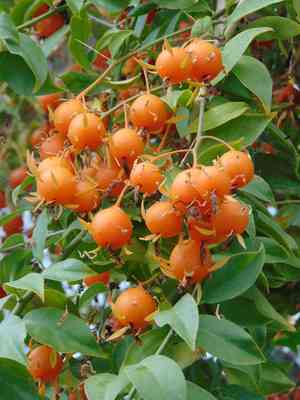
Barbados gooseberry (Pereskia aculeata)
Also known as: Barbados shrub, Surinam gooseberry, Leaf cactus, Lemonvine
The Barbados gooseberry (Pereskia aculeata) is a climbing cactus that can extend up to 10 meters in length. Originating from tropical areas in the Caribbean, Central America, and northern South America, it thrives particularly well in arid conditions and requires minimal care. This plant typically blossoms in the summer, producing small, fragrant white to pale yellow flowers followed by edible yellow-orange berries. Both the leaves and the fruit are nutritious and edible.
In This Article
Attributes of Barbados gooseberry
Lifespan
Perennial
Plant Type
Tree, Vine, Shrub
Plant Height
3 m to 10 m
Spread
Up to 3 meters
Leaf Color
Variegated
Flower Size
2.5 cm to 5 cm
Flower Color
White Yellow
Images of Barbados gooseberry


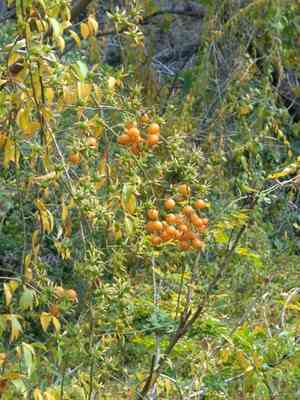

Quickly Identify Barbados gooseberry
1
Identify Pereskia aculeata by its broad, flat green leaves, woody stems, and sharp spines. The plant produces small, white to pinkish flowers followed by orange to red berries.
Scientific Classification of Barbados gooseberry
Phylum
Vascular plants
Class
Dicotyledons
Order
Caryophyllales
Family
Cactuses
Genus
Pereskia
Species
Barbados gooseberry
Planting and Growing of Barbados gooseberry
Care Difficulty
Easy
Watering Schedule
Every 2 days
Sunlight Requirements
Full sun
Sunshine Duration
6-10 hours
Ideal Temperature
70-85℉
Soil Type
Potting Mix, Peat Mix
Soil pH
6.5-7.5
Fertilizer Type
Balanced
Pruning Season
Spring, Summer
Pruning Area
Branches, Leaves
Pruning Frequency
2 times a year
Repotting Season
Spring
Pot Type
Ceramic, Plastic
 How to Water Barbados gooseberry?
When watering Pereskia aculeata, it is important to ensure that the soil is thoroughly saturated but not waterlogged. Ensure the water penetrates deeply to reach the roots, around 250 ml per session, allowing for proper root growth and hydration. The soil should feel moist to the touch without any standing water.
More About Watering Techniques→
What are the symptoms of an underwatered Barbados gooseberry?
›
What should I do if my Barbados gooseberry is not getting enough water?
›
What are the symptoms of an overwatered Barbados gooseberry?
›
How to save an overwatered Barbados gooseberry?
›
 What Are the Sunlight Requirements for Barbados gooseberry?
Partial sun ensures Pereskia aculeata achieves optimal growth, enhancing its resilience and promoting healthy flowering and fruiting patterns.
More About Sunlight Requirements Techniques→
What is the best light condition for Pereskia aculeata?
›
How can you achieve the ideal light condition?
›
Why is the ideal lighting beneficial?
›
 What Is the Ideal Temperature Range for Barbados gooseberry?
The ideal temperature range for Pereskia aculeata is between 70°F and 85°F. Keeping the plant within this temperature range ensures optimal growth and development. It allows the plant to perform well in terms of photosynthesis and nutrient uptake, ensuring vibrant foliage and healthy structural growth.
 What Soil is Best for Barbados gooseberry?
Pereskia aculeata thrives in well-drained soil to prevent root rot. Ensuring good drainage allows the roots to breathe, supporting healthy growth and avoiding waterlogging problems. This plant benefits from a nutrient-rich soil. Incorporating organic matter or compost can boost the fertility, enhancing its growth and vibrant foliage. Maintaining a soil pH between 6.5 and 7.5 is crucial for Pereskia aculeata. This range facilitates optimal nutrient uptake and promotes robust plant health.
More About Soil→
 How to Fertilize Barbados gooseberry?
For Pereskia aculeata, use a balanced liquid fertilizer once every two weeks during the growing season. Dilute the fertilizer to half strength to avoid burning the roots. Slow-release pellets can be applied sparingly, with about one tablespoon per plant per application.
More About Fertilizing Techniques→
 How to Prune Barbados gooseberry?
When pruning Pereskia aculeata, watch out for the sharp thorns that can easily puncture the skin. Wearing gloves and long sleeves is recommended to protect yourself from accidental scrapes or cuts. Additionally, be mindful of where thorns may fall as you cut, ensuring they do not pose a risk to pets or children. While pruning is necessary to control size and encourage healthy growth, avoid removing more than one-third of the plant at any one time. Over-pruning can stress the plant and reduce its ability to photosynthesize effectively, which can impede its overall growth and health. Keep a balanced approach to ensure vitality.
More About Pruning Techniques→
 How to Propagate Barbados gooseberry plant?
1
Choose healthy and mature stems from a Pereskia aculeata plant for cutting propagation. Look for stems that are not flowering and are robust, as these will have a higher success rate in rooting.
2
Cut the selected stem segments about 6 inches long, making a clean cut below a node. Remove the lower leaves to expose nodes that will contact the soil, promoting root growth.
3
Dip the cut end into rooting hormone and plant the cuttings into a well-draining soil mix. Ensure the cuttings are inserted deep enough to support themselves upright. Keep the soil moderately moist.
 How to Repot Barbados gooseberry plant?
1
Pereskia aculeata should be repotted when you see roots emerging from the drainage holes, or when its growth becomes stunted due to limited space. This typically signals the need for a new pot to accommodate root expansion.
2
Select a pot slightly larger than the current one, ensuring it has good drainage. A terracotta pot is ideal, as it allows excess moisture to evaporate, preventing root rot. Good drainage is crucial for this succulent plant.
3
Opt for a well-draining cactus mix that contains sand, perlite, and organic matter. This mix prevents waterlogging, ensuring optimal aeration and moisture retention, key to Pereskia aculeata's health.
Learn More About Barbados gooseberry Diseases
Anthracnose
Bacterial Leaf Spot
Bacterial Soft Rot
Black Spot
Chemical Injury
Crown Gall
Damping-off
Drought Stress
Fusarium Wilt
Gray Mold
Leaf Spot
Mosaic
Nutrient Deficiency
Nutrient Toxicity
Powdery Mildew
Root Rot
Root-knot Nematode
Rusts
Sooty Mold
Spider Mites
Temperature Stress
Thrips Damage
White Mold



