How Often Should You Water Your Black mulberry?
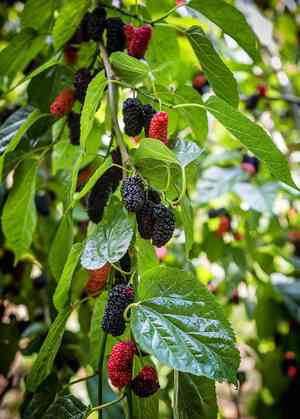
1
Provide water to your Black mulberry bi-weekly during its active growth phase for peak vitality.
2
Applying mulch aids in moisture retention, lessening the necessity for regular irrigation.
3
Modify watering intervals according to the time of year to suit the plant's evolving requirements.
Understanding the Hydration Needs of Black mulberry
Elements Affecting Water Requirements
The hydration demands of the Black mulberry can differ based on several elements including soil composition, climate conditions, and plant maturity. Well-draining loamy soil generally fosters robust root development and effective water uptake. In warmer climates, the plant might need more frequent irrigation to counteract moisture loss. Younger plants, with their less developed root systems, require more consistent moisture compared to mature, established trees.
Indicators of Insufficient and Excessive Watering
Recognizing the signs of improper irrigation can help prevent long-term harm to your Black mulberry. Indicators of under-watering include wilting foliage, brown leaf margins, and stunted growth. Conversely, signs of over-watering can appear as yellowing leaves, root decay, and fungal infections. Always check the soil dampness by inserting your finger approximately 5 cm (2 inches) into the soil; it should be moist, not waterlogged or arid.
Optimal Practices for Irrigating Black mulberry
When to Hydrate: Identifying the Correct Period
The best time to water your Black mulberry is early in the morning or late in the evening. These periods are ideal because they minimize water loss due to evaporation and provide ample moisture for the roots to absorb. Avoid watering during the hottest parts of the day as this can lead to water evaporating before it reaches the roots.
Quantity of Water to Apply
The volume of water your Black mulberry needs can depend on its size and developmental stage. Typically, a mature tree requires about 4 liters (1 gallon) of water per session, while younger trees may need less. Ensure the water penetrates deeply, reaching 20-30 cm (8-12 inches) below the soil surface to encourage deep root growth.
Methods for Efficient Hydration
Effective watering techniques can significantly improve your Black mulberryâs health. Utilizing a soaker hose or drip irrigation system helps deliver water directly to the root zone and minimizes waste. Another method is to create a shallow depression around the tree's base to help channel water to the roots. Always aim to water slowly to allow maximum soil absorption.
Seasonal Adjustments in Black mulberry Watering
Spring and Summer Irrigation Schedule
Spring and summer are the active growth periods for your Black mulberry, necessitating more water. Watering twice per week is usually sufficient, but always monitor weather conditions and adjust accordingly. During extreme heat or dry spells, you might need to increase the frequency slightly to ensure the plant remains hydrated.
Autumn and Winter Watering Considerations
In autumn and winter, the Black mulberry enters a dormant phase and requires less water. Reduce your watering frequency to once every two weeks or as needed based on soil moisture levels. Be cautious of over-watering during these cooler months as it can lead to root rot. Keep an eye on rainfall and natural moisture; often, nature will take care of the necessary watering for you.
Maintaining Soil Vigor for Optimal Black mulberry Watering
Selecting the Appropriate Soil Blend
The Black mulberry thrives in well-drained, loamy soil. To create the ideal mix, blend garden soil with compost and sand in a 1:1:1 ratio. This ensures good drainage while providing essential nutrients and maintaining adequate moisture levels. Regularly amend the soil with organic matter to improve texture and fertility.
Mulching for Moisture Retention
Mulching is a valuable practice for conserving soil moisture and maintaining a stable root environment. Apply a 5-10 cm (2-4 inch) layer of organic mulch such as wood chips or straw around the base of your Black mulberry, ensuring you keep it a few centimeters away from the trunk to prevent rot. This will help reduce evaporation, suppress weeds, and slowly release nutrients into the soil.



