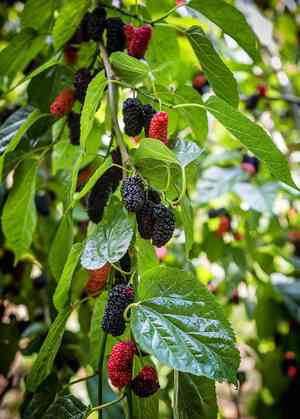
Black mulberry (Morus nigra)
Also known as: Blackberry, Sycamine tree
The black mulberry (Morus nigra) originates from southwestern Asia and the Iberian Peninsula. It has a long history of cultivation in Europe and China for its fruit. Introduced to Britain in the 17th century for potential use in silkworm cultivation, it was found that silkworms favor the white mulberry instead.
Attributes of Black mulberry
Images of Black mulberry
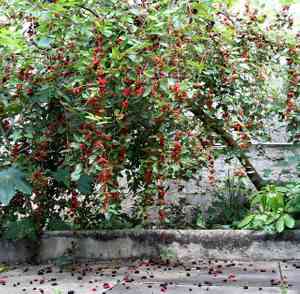
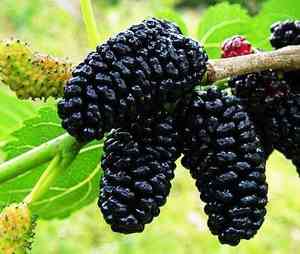
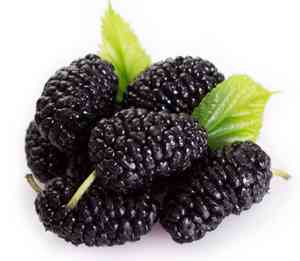
Quickly Identify Black mulberry
Scientific Classification of Black mulberry
Planting and Growing of Black mulberry
 How to Water Black mulberry?
 What Are the Sunlight Requirements for Black mulberry?
 What Is the Ideal Temperature Range for Black mulberry?
 What Soil is Best for Black mulberry?
 How to Fertilize Black mulberry?
 How to Prune Black mulberry?
 How to Propagate Black mulberry plant?
 How to Repot Black mulberry plant?
Toxicity of Black mulberry
Is Black mulberry toxic to humans?
The black mulberry is known to have a relatively low level of toxicity for humans, mainly through exposure to its sap or consumption of unripe fruits. When the sap contacts the skin, it may result in irritation or dermatitis. Consuming unripe fruits can cause gastrointestinal distress, which may manifest as nausea, vomiting, and diarrhea. These adverse effects are attributed to the presence of potentially irritating substances in both the sap and immature fruits. It is crucial for individuals, particularly children who may be attracted to the fruit, to steer clear of the toxic components of black mulberry. While the ripe fruit is generally safe for consumption, it is wise to ensure that only fully matured fruits are eaten to avoid the risk of accidental poisoning.
Is Black mulberry toxic to cat?
Black mulberry presents a low-level toxicity threat to cats. Felines may experience poisoning from contact with the plant's sap or by consuming unripe fruits. Signs of physical distress may arise following exposure, requiring urgent veterinary care. It is essential to restrict access to the recognized toxic components of black mulberry and to obtain prompt professional medical assistance if a cat displays any negative reactions, ensuring their safety and well-being.
Is Black mulberry toxic to dog?
The black mulberry is categorized as having mild toxicity for dogs. Dogs can experience poisoning from black mulberry via skin exposure to the plant's sap or by inadvertently consuming unripe fruit. The poisoning symptoms may manifest as gastrointestinal disturbances like vomiting or diarrhea, and skin reactions such as dermatitis in cases of direct contact. It is vital for dog owners to vigilantly supervise their pets and prevent them from accessing black mulberry, particularly the sap and the unripe fruit, which are notably toxic components. If a dog shows any signs of poisoning after interacting with black mulberry, it is imperative to seek immediate veterinary assistance for timely and effective treatment.



