How Often Should You Water Your Loofah?
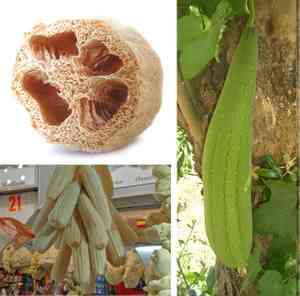
1
Provide moisture to your Loofah bi-weekly during its active growth phase for best development.
2
Employ the finger method to assess soil dampness prior to irrigating your Loofah.
3
Modify irrigation frequency according to weather and time of year to prevent excessive or insufficient watering.
Understanding Loofah Hydration Requirements
Climate's Influence on Loofah Irrigation
Local weather conditions significantly impact how often you should hydrate your Loofah. In warm, arid regions, water evaporates rapidly, necessitating more frequent irrigation. Conversely, in cooler, more humid environments, you might need to water less often. Observe your local climate and modify your watering schedule accordingly.
Soil Moisture and Loofah Vitality
Maintaining appropriate soil moisture is crucial for your Loofah's well-being. These plants thrive in well-drained soil that is consistently damp but not saturated. Utilize organic mulches like straw or grass clippings to retain soil moisture and decrease watering frequency. The objective is to keep the soil uniformly moist throughout the active growth period.
Optimal Practices for Loofah Watering
How to Determine if Your Loofah Needs Hydration
One of the simplest methods to ascertain if your Loofah requires water is the finger test. Insert your finger approximately 2 inches (5 cm) into the soil. If it feels dry, it's time to irrigate. Alternatively, a moisture meter can provide a more precise reading. Daily monitoring of your plants will help you understand their specific needs better.
Effective Watering Techniques
To efficiently water your Loofah, concentrate on the root zone and avoid overhead watering, which can encourage fungal growth and other diseases. Employ drip irrigation or a soaker hose to deliver water directly to the soil, ensuring it reaches the roots. Water in the early morning when temperatures are lower to minimize evaporation.
Common Loofah Watering Errors to Avoid
Excessive Watering and its Repercussions
Overwatering is a frequent error that can lead to root rot and other ailments in Loofah plants. Indicators of overwatering include yellowing foliage, a soggy base, and a general decline in plant health. To prevent overwatering, ensure proper soil and container drainage and always verify moisture levels before adding more water.
Signs of Insufficient Watering
Underwatering, conversely, can cause wilting, brown leaf tips, and stunted development. If you observe your Loofah leaves drooping and the soil feels parched, it indicates your plant is not receiving enough water. Regularly check your soil and adjust your watering routine as necessary to maintain consistent moisture levels.
Seasonal Adjustments for Loofah Watering
Watering During the Active Growth Period
During the growing season, typically spring and summer, Loofah plants demand more water to support their rapid development. Water your Loofah twice weekly, ensuring the soil remains consistently moist but not waterlogged. As the plants mature, they may require even more frequent irrigation, especially during heatwaves.
Winter Hydration Strategies
In winter, Loofah plants enter dormancy and require significantly less water. Overwatering during this period can result in root rot and other problems. Reduce your watering to once every few weeks, depending on the humidity and temperature of your growing area. Always check soil moisture levels before adding water, and ensure good drainage to prevent any standing water.



