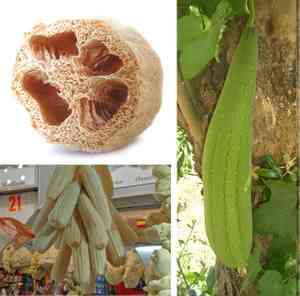
Loofah (Luffa aegyptiaca)
Also known as: Vegetable sponge, Egyptian cucumber, Dishrag gourd, Smooth luffa
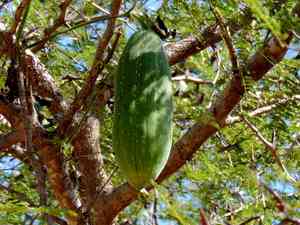
*Luffa aegyptiaca*, commonly known as loofah, is native to South and Southeast Asia and is frequently cultivated for decorative purposes. The fruit of this plant is roughly 30 centimeters in length and has a shape and size similar to that of a cucumber.
In This Article
Attributes of Loofah
Lifespan
Annual, Biennial, Perennial
Plant Type
Herb, Vine
Plant Height
1.8 m to 9 m
Spread
90 cm to 1.2 m
Leaf Color
Green
Flower Size
8 cm to 15 cm
Flower Color
Yellow
Images of Loofah
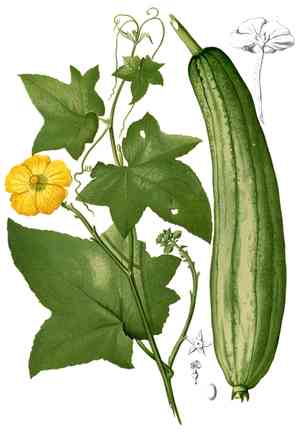
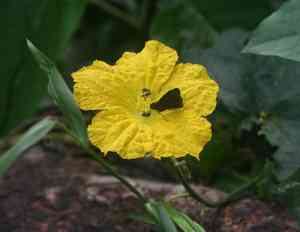
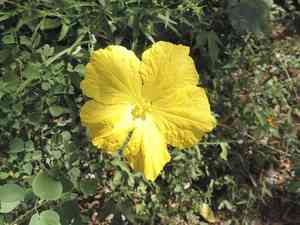
Quickly Identify Loofah
1
Tendrils aiding climbing on structures
2
Dark green, palmate leaves with lobes
3
Vibrant deep-yellow unisexual flowers
4
Subcylindrical fruit, 12-24 inches long
5
Five-angled stem with tendrils, up to 50 feet long
Scientific Classification of Loofah
Phylum
Vascular plants
Class
Dicotyledons
Order
Cucurbitales
Family
Gourd
Genus
Loofahs
Species
Loofah
Planting and Growing of Loofah
Care Difficulty
Easy
Watering Schedule
Every 4 days
Sunlight Requirements
Full sun
Sunshine Duration
6-10 hours
Ideal Temperature
70-95℉
Soil Type
Potting Mix, Peat Mix
Soil pH
6.5-7.5
Fertilizer Type
Balanced
Pruning Season
Spring, Summer
Pruning Area
Branches, Leaves
Pruning Frequency
2 times a year
Repotting Season
Spring
Pot Type
Plastic, Ceramic
 How to Water Loofah?
Luffa aegyptiaca, commonly known as the Egyptian cucumber or sponge gourd, requires a moderate amount of water to thrive. Generally, 500 milliliters per watering session is ideal, ensuring that the water reaches the root zone without causing waterlogging. It's crucial to allow the soil to dry slightly between waterings to prevent suffocation of roots.
More About Watering Techniques→
What are the symptoms of an underwatered Loofah?
›
What should I do if my Loofah is not getting enough water?
›
What are the symptoms of an overwatered Loofah?
›
How to save an overwatered Loofah?
›
 What Are the Sunlight Requirements for Loofah?
Luffa aegyptiaca prefers full sunlight exposure, which supports its rapid growth and abundant harvests. Ideal lighting conditions are crucial as they facilitate optimal photosynthesis, leading to healthier plants and higher-quality fruits.
More About Sunlight Requirements Techniques→
What are the ideal lighting conditions for Luffa aegyptiaca?
›
How can you ensure Luffa aegyptiaca gets ideal light?
›
What are the benefits of ideal lighting for Luffa aegyptiaca?
›
 What Is the Ideal Temperature Range for Loofah?
For Luffa aegyptiaca, the ideal temperature range of 70°F to 95°F ensures optimal growth and development. It allows the plant to photosynthesize efficiently, helps in nutrient uptake, and supports flowering and fruiting processes. Ensuring this temperature range minimizes stress and maximizes yield.
 What Soil is Best for Loofah?
Luffa aegyptiaca thrives in well-draining soils that prevent water from stagnating around the roots. This prevents root rot and ensures the plant gets enough oxygen, promoting healthy growth and high yields. This plant benefits from soil rich in organic matter, which provides essential nutrients for robust growth. Nutrient-rich soil encourages vigorous vines and abundant fruit production, essential for a healthy loofah crop. A pH range of 6.5 to 7.5 is ideal for Luffa aegyptiaca, ensuring optimal nutrient availability and absorption. Proper pH levels help the plant to thrive, promoting vibrant foliage and healthy fruit development.
More About Soil→
 How to Fertilize Loofah?
The Luffa aegyptiaca requires balanced fertilization to support its rapid growth. Monthly, apply a liquid fertilizer diluted to half strength — about 50 ml per plant, ensuring not to oversaturate the soil, which can lead to root damage.
More About Fertilizing Techniques→
 How to Prune Loofah?
Begin pruning from the base of the Luffa aegyptiaca plant. Remove any suckers or side shoots that are diverting energy away from the main growth. Concentrate on the main vine and healthy lateral branches to encourage upward growth. Once your Luffa aegyptiaca reaches the desired height, trim the top of the main vine to direct the plant's energy towards fruit development rather than excessive vegetative growth. This helps in maintaining a manageable plant size and enhances fruit yield. After pruning, promptly dispose of the cuttings to prevent any diseased plant material from potentially infecting healthy plants. Composting healthy cuttings is an eco-friendly way of disposing of them and can enrich the soil.
More About Pruning Techniques→
 How to Propagate Loofah plant?
1
Choose mature and healthy seeds for sowing. Ensure seeds are disease-free and collected from a healthy parent plant to maximize germination success.
2
Fill a seed tray with appropriate potting mix, moisten it, and sow the seeds at the recommended depth. Keep the soil consistently moist but not waterlogged to encourage germination.
3
Choose a healthy stem with several leaves and no flowers or buds. Cut a section of about 4-6 inches, using clean pruning shears to avoid damaging the plant.
 How to Repot Loofah plant?
1
Luffa aegyptiaca shows signs it needs repotting when you notice root growth out of drainage holes, slower growth rate, or water pooling on the surface. These indicators suggest space and nutrient limitations in its current pot.
2
Select a pot slightly bigger than the current one, preferably with ample drainage holes to prevent waterlogging. A larger pot promotes healthier root expansion, ensuring better growth and more vibrant foliage for your plant.
3
A well-draining potting mix is crucial to avoid water retention, which can lead to root rot. This type of soil ensures good aeration and moisture control, benefitting the luffa's growth and health.



