How Often Should You Water Your Spotted touch-me-not?
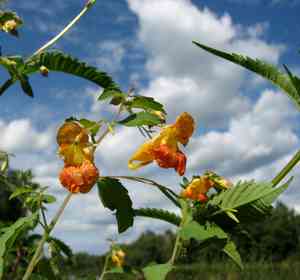
1
Moisten your Spotted touch-me-not bi-weekly to sustain ideal soil dampness.
2
During warm periods, inspect the soil daily to avoid dehydration.
3
Employ a watering vessel with a slender nozzle for accurate irrigation without disrupting the plant.
Grasping the Watering Requirements of Spotted touch-me-not
Elements Affecting Hydration Needs
The Spotted touch-me-not flourishes in consistently moist conditions. Key elements influencing its water demands include earth composition, climate, and plant maturity. Sandy earth drains rapidly, necessitating more frequent irrigation, while clay earth holds moisture longer. Weather significantly impacts water needs; hotter, drier conditions demand more frequent watering compared to cooler, shaded environments. Younger plants establish root systems and require steady moisture, making them prone to drying out.
Indicators of Insufficient or Excessive Hydration
Identifying your Spotted touch-me-not's water needs involves observing physical cues. Under-watering typically results in wilting, yellowing foliage, and a general lack of vitality. Conversely, over-watering can lead to root decay, evidenced by yellowing leaves, saturated soil, and a persistent earthy odor in the substrate. Maintaining equilibrium is vital for healthy development and vibrant blossoms.
Optimal Practices for Watering Spotted touch-me-not
When to Hydrate: Timing and Regularity
Watering your Spotted touch-me-not at the correct time is crucial. Aim to irrigate twice weekly, ensuring the soil remains consistently damp. Morning watering is ideal, as it allows the plant to absorb moisture before the day's heat causes evaporation. During exceptionally warm weather, increase monitoring frequency, as soil can dry out faster than anticipated.
How to Hydrate: Methods and Implements
Utilizing the correct methods and tools ensures effective watering. Employ a watering can with a narrow spout to direct water at the plant's base, minimizing soil disruption and leaf wetting, which can foster fungal issues. Ensure thorough hydration, saturating the soil to a depth of 15-20 centimeters (6-8 inches) for deep root absorption. Mulching around the base can help retain soil moisture and decrease watering frequency.
Seasonal Adjustments for Spotted touch-me-not Watering
Spring and Summer Hydration Advice
In spring and summer, the Spotted touch-me-not is in its active growth phase, requiring more frequent watering. Ensure the soil remains consistently moist but not waterlogged. Check moisture levels more regularly during heatwaves and adjust watering frequency accordingly. Early morning watering helps prevent rapid moisture loss throughout the day.
Fall and Winter Watering Considerations
During fall and winter, the plant's water needs diminish as growth slows. Reduce watering frequency to once per week or as necessary, keeping an eye on soil moisture levels. Ensure the plant isnât left in saturated conditions, which can cause root rot. Consider using rainwater or distilled water to prevent mineral accumulation from tap water during slower growth periods.
Resolving Watering Issues with Spotted touch-me-not
Managing Saturated Soil
Saturated soil can be harmful. Improve drainage by amending the soil with sand or perlite. Elevated beds or containers with drainage holes can also help by preventing excess water from pooling around the roots. If you suspect root decay, gently remove the plant, trim affected roots, and replant in fresh, well-draining soil.
Addressing Dehydrated, Stressed Plants
Dehydrated, stressed plants require immediate attention for recovery. First, water deeply and consistently. Use a moisture meter to monitor soil levels, ensuring it never completely dries out. Adding organic mulch can help retain moisture and protect roots from temperature fluctuations. Additionally, provide shade during peak sun to reduce water loss and stress on the plant.



