How Often Should You Water Your Confederate rose?
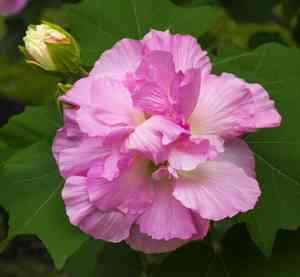
1
Provide water to your Confederate rose around once per week, modifying as per the plant's individual requirements and seasonal shifts.
2
The optimal period to hydrate Confederate rose is in the early morning, enabling the plant to take in moisture prior to the midday warmth.
3
Guarantee adequate drainage to prevent root decay, a frequent problem resulting from overly saturated soil.
Grasping the Hydration Requirements of Confederate Rose
Recognizing Indicators of Sufficient Watering
Properly hydrating your Confederate rose ensures robust growth and abundant blooms. Key signs of adequate moisture include vibrant, green foliage and consistent development. The substrate should be damp but not waterlogged. Insert your finger approximately 2.5 cm (1 inch) into the soil; if it feels slightly moist, your plant is thriving.
Manifestations of Excessive and Insufficient Watering
While moisture is vital for plant vitality, both over- and under-watering can cause issues. Overwatering may lead to yellowing leaves, drooping, and root decay. Conversely, insufficient watering can cause foliage to sag, curl, or brown at the edges. Regularly check soil dampness and adjust your watering regimen as needed to avert these problems.
Optimal Practices for Hydrating Your Confederate Rose
When to Irrigate: Recommended Times of Day
The ideal time to water your Confederate rose is in the early morning. This allows the plant to absorb moisture before the day's heat causes evaporation. Morning irrigation helps the plant stay hydrated throughout the day and lowers the risk of fungal diseases that can develop in damp, cool nighttime conditions.
How to Irrigate: Techniques for Peak Hydration
Efficiently watering your Confederate rose involves thoroughly saturating the soil while keeping the leaves dry. Utilize a watering can or a garden hose with a gentle spray nozzle. Direct the water to the plant's base, ensuring it reaches the root zone. Water until the surrounding soil is saturated and runoff begins.
Modifying Watering Frequency Based on Seasons
Your Confederate rose's water demands will fluctuate with the seasons. During hot, arid periods, you may need to water more often, possibly two to three times weekly. In cooler months, decrease the frequency to prevent over-saturation. Always assess soil moisture before watering to avoid suffocating the plant's roots.
The Influence of Soil and Drainage on Confederate Rose Watering
Selecting the Appropriate Soil Blend
Choosing the correct soil mix is crucial for maintaining proper moisture levels for your Confederate rose. Opt for a well-draining soil blend that retains moisture without becoming soggy. A mixture containing sand, loam, and some organic matter can provide the perfect balance for this plant.
Significance of Effective Drainage Systems
Proper drainage is essential to prevent root rot in your Confederate rose. Ensure your planting container has drainage holes, and use a tray to collect excess water. For garden planting, consider elevating the plant bed or creating channels to divert surplus water. Consistently well-drained soil will maintain healthy roots and prevent water-related issues.
Common Watering Errors to Avoid with Confederate Rose
Overwatering Problems and Their Resolution
Overwatering is a frequent error that can harm your Confederate rose. Symptoms include yellowing foliage and a soft stem base. To rectify overwatering, allow the soil to completely dry out before re-watering. Ensure adequate drainage and consider repotting the plant in a fast-draining soil mix if the issue persists.
Underwatering Issues and Preventive Measures
Underwatering can stress your Confederate rose, evidenced by wilting and brown leaf edges. To prevent underwatering, establish a consistent watering schedule and check soil moisture regularly. Applying mulch around the plant's base can help retain soil moisture and reduce the need for frequent irrigation.



