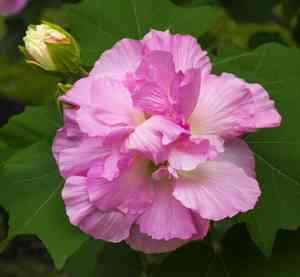
Confederate rose (Hibiscus mutabilis)
Also known as: Cotton rosemallow, Confederate vine
The Confederate rose (Hibiscus mutabilis) stands out for its remarkable flowers that change color throughout the day, beginning as white in the morning, shifting to pink by midday, and turning deep red by evening. Originally native to Southeast China, this versatile plant is now cultivated in various regions around the world, except Antarctica.
In This Article
Attributes of Confederate rose
Lifespan
Perennial
Plant Type
Shrub, Tree
Plant Height
2 m to 5 m
Spread
1.8 m to 3 m
Leaf Color
Green
Flower Size
8 cm
Flower Color
White Pink Red
Images of Confederate rose


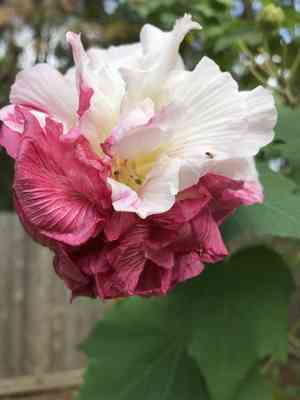

Quickly Identify Confederate rose
1
Dynamic flower color transformation from white to deep pink.
2
Large, solitary double flowers with prominent red hue by evening.
3
Bright green elliptical leaves with toothed margin, 4-8 inches (10-20 cm).
Scientific Classification of Confederate rose
Phylum
Vascular plants
Class
Dicotyledons
Order
Mallows, rock-roses, and allies
Family
Mallow
Genus
Hibiscus
Species
Confederate rose
Planting and Growing of Confederate rose
Care Difficulty
Easy
Watering Schedule
Every 3 days
Sunlight Requirements
Full sun
Sunshine Duration
4-8 hours
Ideal Temperature
65-77℉
Soil Type
Potting Mix, Peat Mix
Soil pH
6.5-7.5
Fertilizer Type
Balanced
Pruning Season
Spring, Summer
Pruning Area
Branches, Leaves
Pruning Frequency
2 times a year
Repotting Season
Spring
Pot Type
Ceramic, Plastic
 How to Water Confederate rose?
The Hibiscus mutabilis, also known as the Confederate Rose, requires about 500 milliliters of water per session. The principle to follow is to water until the soil is evenly moist but not waterlogged. It's essential to ensure good drainage, as standing water can harm the roots.
More About Watering Techniques→
What are the symptoms of an underwatered Confederate rose?
›
What should I do if my Confederate rose is not getting enough water?
›
What are the symptoms of an overwatered Confederate rose?
›
How to save an overwatered Confederate rose?
›
 What Are the Sunlight Requirements for Confederate rose?
Partial to full sun allows Hibiscus mutabilis to flourish by ensuring energy for photosynthesis, resulting in bigger, healthier blooms and vibrant foliage. Consistent sunlight supports plant energy demands for optimal growth.
More About Sunlight Requirements Techniques→
Optimal Sunlight Exposure
›
Solution Steps
›
Benefits Achieved
›
 What Is the Ideal Temperature Range for Confederate rose?
For Hibiscus mutabilis, the ideal temperature range is between 65°F and 77°F. This range supports optimal growth and blooming, providing the warmth that this subtropical plant requires to thrive. It ensures that the plant's metabolic processes proceed at an efficient rate and that energy from photosynthesis is maximally converted into growth and development.
 What Soil is Best for Confederate rose?
Hibiscus mutabilis thrives in soils that provide excellent drainage. This prevents waterlogging, which can lead to root rot. Proper drainage ensures healthy root development and overall plant vitality. This plant demands nutrient-rich soil to support its rapid growth and abundant flowering. A fertile soil ensures that the plant receives the essential nutrients required for vibrant blooms and robust foliage. Maintaining consistent soil moisture without sogginess is crucial for Hibiscus mutabilis. Regular watering helps in sustaining the plant through dry periods, enhancing its resilience and flowering potential.
More About Soil→
 How to Fertilize Confederate rose?
For Hibiscus mutabilis, which can grow vigorously, using a balanced fertilizer with a ratio of 10-10-10 or similar is ideal. Apply liquid fertilizer at a diluted concentration of half tablespoon per gallon of water to avoid nutrient burn. This ensures the plant receives adequate nourishment without overwhelming its roots.
More About Fertilizing Techniques→
 How to Prune Confederate rose?
When pruning Hibiscus mutabilis, focus on shaping the young plants to encourage a strong structure. Remove any dead or crossing branches to allow sunlight and air to penetrate the canopy. Start by identifying the strongest stem to become the main leader and trim away any competing stems. To maintain a specific shape or to control the size of your hibiscus, trim back any overgrown branches. Always make clean cuts just above a leaf node to stimulate new growth, ensuring the plant retains its natural form while keeping it manageable. For older Hibiscus mutabilis, rejuvenation pruning might be necessary. Cut back the entire plant to about 30-45 cm from the ground to promote vigorous new growth. This drastic method can result in spectacular flowering the following season.
More About Pruning Techniques→
 How to Propagate Confederate rose plant?
1
Start by soaking seeds overnight in warm water to soften the seed coat. This enhances germination rates by allowing moisture to penetrate the seeds more effectively.
2
Select non-flowering, healthy stems of about 6 inches long. Use pruning shears to cut just below a node, ensuring each cutting has at least two nodes for rooting.
3
Plant seeds or cuttings in well-draining soil mix and water lightly. Cover with plastic to retain humidity, and place in a bright, indirect sunlight spot.
 How to Repot Confederate rose plant?
1
Observe if your Hibiscus mutabilis shows signs like roots protruding from the pot's drainage holes, slowed growth, or if the water drains too quickly. These are indicators that it's time for repotting. Optimal repotting occurs during spring or autumn when the plant is actively growing but not stressed by extreme weather.
2
Select a pot that's 2 inches larger in diameter than the current one to accommodate root growth. The pot should have adequate drainage holes to prevent waterlogging. Opting for a slightly larger pot encourages healthier root development and offers the plant room to grow without causing root bound conditions.
3
A well-draining potting mix is crucial for Hibiscus mutabilis, as it prevents root rot and allows sufficient aeration. A mix containing peat, pine bark, and perlite is ideal, ensuring that the soil remains light and retains necessary moisture without becoming compacted.
Learn More About Confederate rose Diseases
Anthracnose
Bacterial Leaf Spot
Bacterial Wilt
Black Spot
Chemical Injury
Crown Gall
Damping-off
Downy Mildew
Drought Stress
Fusarium Wilt
Gray Mold
Leaf Curl
Leaf Spot
Mosaic
Nutrient Deficiency
Nutrient Toxicity
Powdery Mildew
Root Rot
Root-knot Nematode
Rusts
Sooty Mold
Spider Mites
Temperature Stress
Thrips Damage
White Mold



