How Often Should You Water Your Christmas rose?
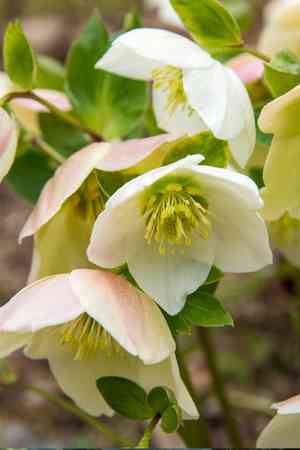
1
The Hellebore usually needs weekly irrigation, though this can fluctuate based on various factors.
2
Excessive watering of Hellebore can result in root decay, whereas insufficient watering may cause drooping and stunted development.
3
Before irrigating, always inspect the upper 5 cm (2 inches) of the substrate to confirm it hasn't held onto too much dampness.
Understanding the Hydration Requirements of Christmas Rose
Seasonal Changes in Irrigation
The Christmas rose, originating from the mountainous regions of southern and central Europe, demands careful attention to its watering needs throughout the year. During the colder months, when the plant is flowering, you might observe that the soil doesn't dry out as quickly. This implies less frequent watering, perhaps every 10 to 14 days. However, with the arrival of spring and summer, elevated temperatures and potential drying winds could necessitate more regular irrigationâaim for once a week or whenever the top layer of the soil feels arid. Autumn brings cooler temperatures again, so adjust your watering regimen accordingly to ensure the soil remains consistently damp but not saturated.
Indicators of Excessive and Insufficient Watering
Recognizing the signs of both over-hydration and under-hydration is vital for the healthy development of your Christmas rose. Over-watering can lead to problems such as root decay, fungal growth, and yellowing foliage. If you notice these indicators, it's advisable to decrease the frequency of watering and ensure that the plant's container or garden bed has proper drainage. Under-watering, conversely, might manifest as dry, brittle leaf edges, wilting, or stunted development. If your Christmas rose exhibits these symptoms, it's time to increase the watering frequency or verify if the soil absorbs moisture effectively.
Optimal Practices for Hydrating Christmas Rose
Selecting the Appropriate Watering Implements
Effective watering of your Christmas rose begins with the correct tools. A watering can featuring a long, slender spout can help direct water to the plant's base, minimizing splashing on the leaves, which can lead to mold or mildew. For larger garden areas, consider employing a soaker hose that allows water to slowly permeate the soil. This ensures deep watering, which encourages stronger and deeper root growth. Avoid using high-pressure garden hoses directly on the plants, as this can dislodge soil and harm the delicate roots.
Establishing an Ideal Watering Routine
Establishing a consistent watering routine for your Christmas rose is crucial for its overall well-being. Start by evaluating the environmental conditionsâtemperature, humidity, and soil typeâin your location. As mentioned, a general guideline is to water weekly, but the actual frequency may vary with weather changes. During warmer months, you might need to water more often, and during cooler months, less frequently. Early morning is the best time to hydrate your Christmas rose, as this allows the plant to absorb moisture before the day's heat and reduces the risk of fungal infections.
Maintaining Soil Moisture for Christmas Rose
Mulching Strategies
Maintaining consistent soil moisture is essential for the flourishing growth of your Christmas rose. Mulching is an effective technique to help achieve this. By applying a layer of organic mulchâsuch as bark chips, straw, or pine needlesâaround the plant's base, you can help retain soil moisture, regulate soil temperature, and suppress weed growth. Aim for a mulch layer that's approximately 5â8 cm (2â3 inches) thick. Replenish the mulch layer as needed, especially after heavy rainfall or at the start of each growing season, to ensure maximum effectiveness.
Assessing Soil Moisture Levels
Regularly checking the soil moisture levels is vital to prevent over-hydration or under-hydration of your Christmas rose. Insert your finger about 5 cm (2 inches) into the soil; if it feels dry at this depth, it's time to water. Alternatively, you can use a soil moisture meter to obtain an accurate reading without guesswork. These devices are available at most garden centers and provide real-time data on the moisture level. Consistent checks will help you adjust your watering schedule more precisely according to the plant's needs and the changing weather conditions.



