How Often Should You Water Your African milk tree?
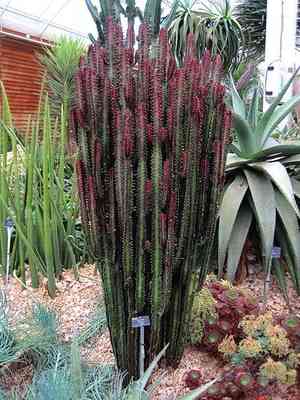
1
An African milk tree generally requires irrigation fortnightly, though always inspect the soil's moisture level before applying water.
2
African milk trees need reduced hydration during their winter dormancy period, so modify your watering routine appropriately.
3
Excessive watering can lead to root rot in African milk trees; therefore, always guarantee adequate drainage.
Understanding the Hydration Needs of Your African Milk Tree
Soil Moisture and Plant Vitality
The African milk tree flourishes in soil that drains effectively. Maintaining soil moisture that is neither excessively dry nor overly saturated is paramount for its well-being. It's advisable to let the top 1 inch (2.5 cm) of soil completely dry out before re-watering. This method helps avoid overwatering, a common cause of root rot. Inconsistent moisture levels can also stress the plant, leading to hindered growth and discolored foliage.
Indicators of Overwatering and Underwatering
Recognizing the signs of insufficient or excessive watering can assist in refining your care regimen. An overwatered African milk tree may display yellowing, drooping, or even mold development on the soil surface. Conversely, underwatering results in shrunken, discolored stems, and leaf drop may occur. Regularly inspect your plant and its soil to establish the ideal balance.
Optimal Watering Techniques for the African Milk Tree
Seasonal Watering Schedule
Adjust your watering practices to align with seasonal shifts. During the summer and spring, the African milk tree is in its active growth phase, potentially requiring more frequent hydration, perhaps every 10 days. In contrast, during autumn and winter, the plant enters a dormant period, decreasing its water demands to approximately once every 3-4 weeks. Always check soil moisture to prevent both over and under-watering.
Selecting Appropriate Watering Equipment
Investing in the correct tools can yield significant benefits. Utilize a watering can equipped with a narrow spout to regulate water flow and prevent excessive saturation. Soil moisture meters are also advantageous, as they provide precise readings of soil hydration levels, ensuring you only irrigate when necessary. Furthermore, confirm your pot has sufficient drainage holes to preclude water accumulation.
Effective Watering Methods
Properly watering your African milk tree involves a few practical steps: apply water slowly and uniformly, allowing it to permeate thoroughly. Ensure water drains from the bottom holes, confirming that the entire root system is hydrated. Refrain from watering the plant's leaves to inhibit fungal growth, and always remove standing water from trays or saucers to avert root rot.
Common Errors in Watering African Milk Tree
Preventing Excess Water Buildup
One frequent mistake is allowing surplus water to collect at the pot's base. This can be avoided by using containers with adequate drainage and ensuring a well-draining soil mix. Draining the excess water from the saucer after each watering also helps prevent waterlogged soil.
Monitoring Environmental Factors
Environmental elements such as humidity, temperature, and light all influence how often your African milk tree will need hydration. For instance, warmer temperatures and increased sunlight typically accelerate water evaporation, requiring more frequent watering. Conversely, higher humidity might lessen the need for frequent irrigation. Always observe these factors and adjust your watering routine accordingly to maintain plant vitality.



