How Often Should You Water Your Amazon Lily?
1
Provide hydration to your Amazon Lily weekly to sustain ideal moisture.
2
Employ water at ambient temperature to prevent root shock to your plant.
3
Assess the upper 2-3 cm (1 inch) of substrate for dampness prior to irrigation.
Grasping the Hydration Requirements of Amazon Lily
What Makes Amazon Lily's Watering Needs Distinct?
The Amazon Lily is an exquisite blooming plant originating from South America's tropical zones. Due to its natural environment, this plant flourishes in high humidity and consistently damp soil. Unlike some plants that endure arid conditions, the Amazon Lily demands regular irrigation to replicate the moist rainforest floors where it naturally thrives. Its particular watering needs stem from its life cycle and environmental demands, necessitating careful attention to moisture levels to avert both insufficient and excessive watering.
Indicators of Adequate Hydration in Amazon Lily
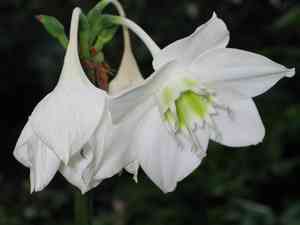
Observing signs of proper moisture can ensure your Amazon Lily prospers. Healthy foliage is typically vivid green, firm, and lustrous. During its flowering period, well-hydrated plants will produce clusters of fragrant white blossoms. Conversely, if your lily's leaves begin to yellow or droop, it might signal improper watering. Monitoring these cues will help you adjust your watering regimen for optimal plant health.
How Frequently Should You Irrigate Your Amazon Lily?
Assessing Soil Dampness Prior to Watering
Before irrigating your Amazon Lily, it's vital to check the soil's moisture content. Insert your finger approximately 2-3 cm (1 inch) into the potting mix. If it feels dry, it's time to water. This helps prevent over-saturation, which can lead to root decay. A soil moisture meter can also be a useful device for accuracy.
Seasonal Adjustments to Watering
Your Amazon Lily's hydration requirements will fluctuate with the seasons. During warmer months, the plant may need more frequent watering due to increased evaporation and growth rates. Conversely, in cooler periods, the plant's water uptake diminishes, and soil dries out slower, so you might need to water less often. Keep an eye on the plant and soil conditions throughout the year to appropriately modify watering schedules.
Optimal Practices for Amazon Lily Watering
Selecting the Appropriate Water Type and Temperature
The kind and warmth of the water you use can impact your Amazon Lily. It's best to use water at room temperature to avoid shocking the roots. Rainwater or distilled water is ideal as they lack the harsh chemicals found in tap water, such as chlorine and fluoride. If you must use tap water, let it sit out overnight to allow some of these chemicals to dissipate.
Watering Methods to Prevent Excessive Watering
One effective method is to thoroughly water your Amazon Lily until liquid drains from the pot's base. This ensures the roots receive sufficient moisture while preventing water from pooling at the bottom, which could cause root rot. Ensure your pot has adequate drainage holes. Another tip is to use a pebble tray beneath the pot, which boosts humidity without saturating the roots.
Resolving Common Watering Problems
What to Do If Your Amazon Lily Is Under-hydrated?
If you observe your Amazon Lily appearing wilted or its leaves are dry and brittle, it may be under-watered. Gradually increase the watering frequency and ensure the plant's soil remains damp but not waterlogged. Adding a humidity tray or misting the plant can also help restore its vitality.
Managing Over-hydrated Amazon Lily: Steps for Revival
Excessive watering can be harmful to your Amazon Lily. If you find your plant's leaves yellowing and the soil consistently soggy, it's time to intervene. First, cease watering and allow the soil to dry out. Inspect the roots for rot, and if necessary, prune away the damaged sections. Repotting into fresh, well-draining soil can also aid the plant's recovery. Additionally, ensure your pot has proper drainage to prevent future issues.



