How Often Should You Water Your Chinese cymbidium?
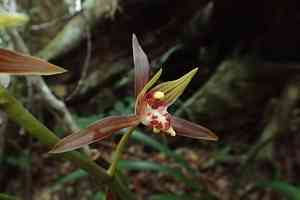
1
Provide water to your Chinese cymbidium weekly; nevertheless, consistently assess the soil's dampness prior to irrigation.
2
Keep an eye on the moisture in the air surrounding your Chinese cymbidium, since inadequate humidity can lead to leaf desiccation.
3
Throughout its active growth phase, generally during spring and summer, the Chinese cymbidium might need more frequent applications of water.
Deciphering Chinese Cymbidium's Hydration Requirements
Water's Vital Role in Chinese Cymbidium Well-being
Water is fundamental for the comprehensive health and vibrancy of your Chinese cymbidium. It plays a pivotal part in photosynthesis, nutrient transport, and sustaining the plant’s structural integrity. For Chinese cymbidium, an orchid renowned for its exquisite blooms and graceful foliage, proper irrigation aids in producing vivid flowers and robust leaves. Adequate water supports strong root development, which is crucial for nutrient absorption from the growing medium.
Indicators of Excessive or Insufficient Watering
Both overwatering and underwatering present considerable hazards to your Chinese cymbidium. Excessive moisture can lead to root decay, marked by wilting foliage, a disagreeable smell, and darkened roots. Conversely, inadequate hydration can cause leaves to yellow and become brittle. The plant might also exhibit stunted growth and a lack of flowering. By observing the traits of your Chinese cymbidium, you can make changes to avoid these problems. Remember, the plant's requirements may vary based on its environment and other care routines.
Optimal Watering Practices for Chinese Cymbidium
When to Hydrate: Spotting the Necessity
The general guideline is to water your Chinese cymbidium weekly, but this can fluctuate based on the plant’s surroundings. A dependable method to ascertain watering time is to check the moisture level of the soil or potting mix. Insert your finger about an inch (2.5 centimeters) into the soil; if it feels dry, it’s time to irrigate. Additionally, consider the weight of the container; a lighter pot often indicates parched soil.
How to Hydrate: Techniques for Ideal Moisture
To water your Chinese cymbidium, use tepid water and ensure even distribution throughout the pot. Pour water gently until it drains from the bottom, which helps prevent salt accumulation in the soil—vital for your plant's health. Employing a watering can with a narrow spout can help direct water precisely to the plant's base. Avoid wetting the leaves as this might foster fungal development.
Seasonal Watering Adjustments for Chinese Cymbidium
Summer Irrigation Schedule
During the summer months, your Chinese cymbidium is typically in its active growth phase. This period necessitates more frequent watering, approximately every 5 to 7 days, to support the plant’s elevated metabolic activity. Moreover, you might need to mist the foliage occasionally to maintain appropriate humidity levels, especially if the climate is particularly arid.
Winter Watering Considerations
In winter, Chinese cymbidium’s growth slows, and its water demands diminish. Adjust your watering regimen to every 10 to 14 days or whenever the soil surface feels dry. Overwatering during this dormant period can result in root decay due to the plant's reduced uptake of water and nutrients.
Resolving Common Watering Issues
Modifying Your Hydration Strategy
Your Chinese cymbidium's water needs can change over time due to variations in temperature, humidity, and plant development stages. Regularly re-evaluate the soil moisture and the plant's overall condition. If any signs of distress appear, adjust the frequency and volume of watering accordingly. Maintaining a watering log can help you monitor the plant's requirements across different seasons.
Identifying and Managing Root Decay
Root rot is one of the most prevalent issues arising from improper watering practices. To detect root rot, look for blackened, soft roots and an unpleasant smell. If you suspect root rot, remove the plant from its pot, prune off the affected roots with sterilized shears, and repot it in fresh, well-draining soil. Modify your watering routine to prevent recurrence, ensuring the soil dries out slightly between each watering session.



