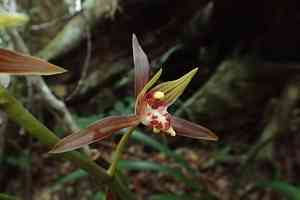
Chinese cymbidium (Cymbidium sinense)
Also known as: Chinese Cymbidium, Chinese Orchid
Chinese cymbidium (Cymbidium sinense) is a tropical orchid species originating from southern China. It flourishes in humid, lowland forest environments with nutrient-rich, well-draining soils. When cultivated as a houseplant, it should be planted in a well-draining orchid mix and kept in conditions that mimic its natural habitat, such as maintaining high humidity and providing bright, indirect light.
In This Article
Attributes of Chinese cymbidium
Lifespan
Perennial
Plant Type
Herb
Plant Height
80 cm
Spread
20 cm to 38 cm
Leaf Color
Green Red Brown
Flower Size
5 cm
Flower Color
Yellow Pink Green Purple Black
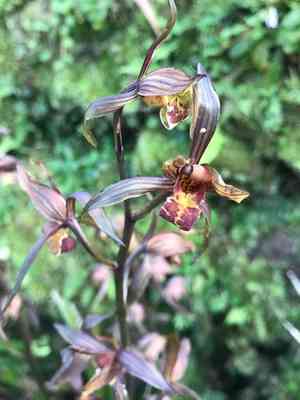
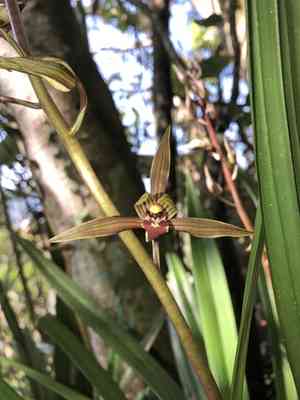
Images of Chinese cymbidium
Quickly Identify Chinese cymbidium
1
Cymbidium sinense can be identified by its long, arching leaves that are dark green and leathery. The flowers are typically greenish to yellow with darker markings and are highly fragrant. The plant usually blooms in late winter to early spring.
Scientific Classification of Chinese cymbidium
Phylum
Vascular plants
Class
Monocotyledons
Order
Asparagus and allies
Family
Orchid
Genus
Boat orchid
Species
Chinese cymbidium
Planting and Growing of Chinese cymbidium
Care Difficulty
Moderate
Watering Schedule
Every 2 days
Sunlight Requirements
Partial sun
Sunshine Duration
8-12 hours
Ideal Temperature
60-75℉
Soil Type
Potting Mix, Peat Mix
Soil pH
6.5-7.5
Fertilizer Type
Balanced
Pruning Season
Spring, Summer
Pruning Area
Branches, Leaves
Pruning Frequency
2 times a year
Repotting Season
Spring
Pot Type
Plastic, Ceramic
 How to Water Chinese cymbidium?
For Cymbidium sinense, the watering should be sufficient enough to moisten the entire potting medium without leaving it soggy. It's crucial to ensure the water reaches the roots to allow for even moisture distribution, which promotes healthy growth. A general principle is to water until you see a trickle from the pot's drainage holes, usually around 200 ml.
More About Watering Techniques→
What are the symptoms of an underwatered Chinese cymbidium?
›
What should I do if my Chinese cymbidium is not getting enough water?
›
What are the symptoms of an overwatered Chinese cymbidium?
›
How to save an overwatered Chinese cymbidium?
›
 What Are the Sunlight Requirements for Chinese cymbidium?
Cymbidium sinense thrives in partial sun. Ideal lighting ensures robust foliage, consistent flowering, and maintains overall plant health.
More About Sunlight Requirements Techniques→
What is the ideal lighting situation for Cymbidium sinense?
›
How can I ensure the plant receives optimal lighting?
›
What are the benefits of proper lighting for Cymbidium sinense?
›
 What Is the Ideal Temperature Range for Chinese cymbidium?
The ideal temperature range for growing Cymbidium sinense is between 60°F and 75°F. This range provides optimal conditions for photosynthesis, growth, and bloom. Maintaining this range ensures the orchid remains healthy and vibrant throughout its growing cycle.
 What Soil is Best for Chinese cymbidium?
Cymbidium sinense requires well-drained soil to prevent root rot. Providing well-drained soil allows for proper aeration and water movement, ensuring healthy root development and longevity of the plant. The plant thrives in nutrient-rich soil, which supports vibrant foliage and blooming. Organic matter like compost can be added to enrich the soil, providing the nutrients necessary for healthy growth. While drainage is crucial, the soil should still retain some moisture. This balance ensures the roots don’t dry out between waterings, supporting consistent growth and preventing plant stress.
More About Soil→
 How to Fertilize Chinese cymbidium?
When fertilizing Cymbidium sinense, it's crucial to use a balanced orchid fertilizer. Dilute the liquid fertilizer to half its recommended strength to prevent root burn, applying about 200 ml per plant. For slow-release fertilizers, apply according to package instructions, typically about 5-10 grams per pot.
More About Fertilizing Techniques→
 How to Prune Chinese cymbidium?
Prune in the early morning or late afternoon when temperatures are cooler. This timing reduces the stress on the plant and prevents the sun from damaging exposed tissues. Make sure to water the plant a day before to have it well-hydrated. Begin by removing any dead, yellowing, or damaged leaves. Cut them at the base close to the pseudobulbs. This not only cleans up the appearance but also allows the plant to focus energy on healthy growth. Look for overgrown areas and cut back to maintain the shape. By trimming some of the more robust, older growth, you stimulate the plant to produce new shoots, leading to more flowers. Wear gloves while pruning as some plant parts can be mildly irritating to sensitive skin. After pruning, apply a light fungicide to the cut areas to protect against infections, especially in damp environments.
More About Pruning Techniques→
 How to Propagate Chinese cymbidium plant?
1
Sterilize cymbidium seeds and soak them in a growth medium to facilitate germination. It is crucial to ensure the medium is free from contaminants.
2
Carefully divide the plant by removing dead roots and separating bulbs with a sterile knife. This should promote healthier growth in individual sections.
3
Select healthy plant tissue for culture. Sterilize and place it in a suitable medium to encourage the growth of new shoots.
 How to Repot Chinese cymbidium plant?
1
Cymbidium sinense needs repotting when its roots outgrow the current pot or when the potting mix breaks down. These signs often occur every 2-3 years. Repotting during active growth, in spring or autumn, allows the plant to quickly recover and establish itself in fresh medium.
2
Choose a pot that provides ample drainage and is slightly larger than the current one to accommodate root growth. A terracotta pot is ideal as it allows for additional aeration, helping prevent root rot and keeping the Cymbidium healthy and thriving.
3
Select a well-draining orchid mix comprising bark, perlite, and charcoal. This combination ensures adequate air circulation and prevents moisture retention. Good drainage is crucial for Cymbidium sinense to prevent root rot, ensuring robust growth.



