How Often Should You Water Your Bear's paw?
1
The Bear's paw plant flourishes in soil that drains efficiently, aiding in the prevention of root decay often caused by excessive watering.
2
Always confirm the upper 2.5 cm (1 inch) of substrate is arid before re-hydrating your Bear's paw to prevent saturation.
3
In the warmer months, you might need to hydrate your Bear's paw more often, approximately every seven days, contingent on environmental conditions.
Deciphering Bear's Paw Irrigation Needs
Recognizing the Specific Hydration Requirements of Bear's Paw
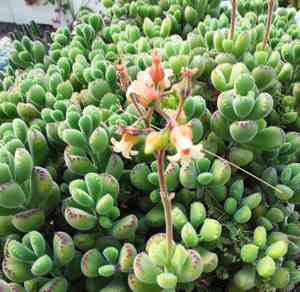
The Bear's Paw (Cotyledon tomentosa) is a charming succulent celebrated for its soft, paw-shaped foliage. Similar to many succulents, it demands minimal water due to its capacity to retain moisture within its leaves. Originating from arid environments, this plant is naturally suited to drier climates. Grasping its distinct hydration needs means acknowledging that excessive watering poses a significant threat. Therefore, supplying the correct volume of water is vital for preserving its vitality and health.
Ramifications of Excessive and Insufficient Watering
Overwatering can be highly damaging to the Bear's Paw, leading to root decay, which is difficult to manage and can rapidly kill the plant. On the other hand, underwatering, though less frequent, can cause the leaves to wilt and fall off. The key is to find a balance that fulfills the plant's minimal water requirements without allowing it to completely dry out. Monitoring alterations in leaf texture and coloration can help you determine if your approach is correct.
Optimal Practices for Irrigating Bear's Paw
Determining the Appropriate Water Volume
To ascertain the correct amount of water for your Bear's Paw, begin by thoroughly saturating the potting mix until water exits the drainage holes. This ensures adequate moisture reaches the root system. However, perform this infrequently; wait until the growing medium is entirely dry before re-watering. Use your finger to assess soil dampness, feeling at least 2.5 cm (1 inch) below the surface. If it's dry, it's time to irrigate.
Advice on Watering Frequency and Schedule
Watering your Bear's Paw approximately every two weeks is typically optimal. This interval prevents over-saturation while ensuring sufficient hydration. Nevertheless, this timetable can fluctuate based on your regional climate and the time of year. For instance, during winter, you may find yourself watering even less frequently due to reduced evaporation rates. Conversely, throughout the summer months, you might need to increase the frequency to roughly once per week.
Selecting Suitable Water and Implements
When hydrating your Bear's Paw, consider utilizing rainwater or purified water if your tap water contains high mineral levels, which can accumulate in the soil and harm the plant. Useful tools include a watering can with a slender spout for precise application and a moisture meter to accurately assess soil dampness. These instruments can significantly enhance your watering precision, safeguarding your plant's well-being.
Seasonal Adjustments for Bear's Paw Maintenance
Hydrating Bear's Paw During Various Seasons
Seasonal shifts impact how often and how much you should irrigate your Bear's Paw. During spring and summer, the plant enters its active growth phase, thus requiring more frequent watering, roughly every week to ten days. In autumn and winter, when the plant's growth decelerates, reduce watering to once every two to three weeks, ensuring the soil completely dries between waterings to avert root rot.
Modifying Watering Techniques in Extreme Climates
Extreme weather events, such as heatwaves or periods of drought, necessitate modifications to your watering routine. During exceedingly hot spells, you might need to water more often to offset increased evaporation. Conversely, during cold snaps where indoor heating can dry the air, monitoring soil moisture and adjusting watering frequency is critical. Always avoid leaving the plant in waterlogged conditions, particularly in colder months.
Monitoring Soil Humidity for Optimal Health
Implements to Verify Appropriate Soil Moisture
Employing tools can significantly assist in maintaining suitable soil humidity levels for your Bear's Paw. A soil moisture meter is a practical device that offers a clear reading of the soil's water content. Furthermore, simple implements like a wooden skewer or chopstick inserted into the soil can help you discern how dry or wet the soil is beneath the surface, ensuring you only water when necessary.
Indications That Your Bear's Paw Requires Hydration
Observing your Bear's Paw can provide clues about its watering requirements. If the leaves appear shriveled, soft, or have lost some of their vibrant green hue, it might signal that the plant needs water. Conversely, yellowing foliage or a mushy texture indicates excessive watering. Pay attention to these visual cues to adapt your watering regimen accordingly.



