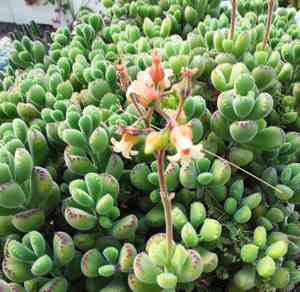
Bear's paw (Cotyledon tomentosa)
Also known as: Bear's paw, Kitten paws
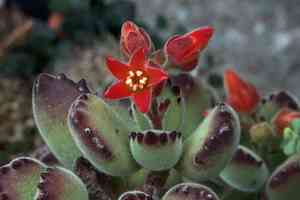
The Bear's Paw plant, native to South Africa, is a succulent with thick, fuzzy leaves that feature distinct "teeth" at their ends. In spring, it produces large, orange, bell-shaped flowers. When the plant is disturbed or agitated, its leaves can turn a deep red. It's important to note that Bear's Paw is toxic to animals, pets, and humans.
In This Article
Attributes of Bear's paw
Lifespan
Perennial
Plant Type
Succulent, Herb
Plant Height
11 cm
Spread
30 cm to 45 cm
Leaf Color
Green Red
Flower Size
1.4 cm
Flower Color
Red Yellow Green Orange
Images of Bear's paw
Quickly Identify Bear's paw
1
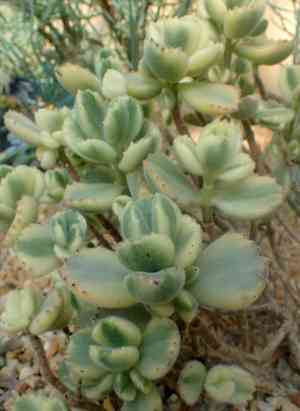
Identify Cotyledon tomentosa by its thick, hairy leaves with claw-like tips. The plant is compact and may produce small, bell-shaped, yellow-orange flowers.
Scientific Classification of Bear's paw
Phylum
Vascular plants
Class
Dicotyledons
Order
Saxifrages, stonecrops and allies
Family
Stonecrop
Genus
Seed leaf
Species
Bear's paw
Planting and Growing of Bear's paw
Care Difficulty
Easy
Watering Schedule
Every day
Sunlight Requirements
Partial sun
Sunshine Duration
4-6 hours
Ideal Temperature
60-75℉
Soil Type
Potting Mix, Peat Mix
Soil pH
6.5-7.5
Fertilizer Type
Balanced
Pruning Season
Spring, Summer
Pruning Area
Branches, Leaves
Pruning Frequency
2 times a year
Repotting Season
Spring
Pot Type
Plastic, Ceramic
 How to Water Bear's paw?
For Cotyledon tomentosa, provide approximately 100 milliliters of water each time. Ensure the water permeates the soil evenly without leaving it waterlogged. Allow the soil's surface to dry completely before the next watering session, maintaining optimal conditions for root breathing.
More About Watering Techniques→
What are the symptoms of an underwatered Bear's paw?
›
What should I do if my Bear's paw is not getting enough water?
›
What are the symptoms of an overwatered Bear's paw?
›
How to save an overwatered Bear's paw?
›
 What Are the Sunlight Requirements for Bear's paw?
Partial to full sun enables Cotyledon tomentosa to thrive, promoting lush foliage and strong growth. Consistent light allows for optimal energy absorption, benefiting photosynthesis and enhancing plant health.
More About Sunlight Requirements Techniques→
How much sun is ideal?
›
What solutions can provide ideal light?
›
What are the benefits of ideal lighting?
›
 What Is the Ideal Temperature Range for Bear's paw?
The ideal temperature range for Cotyledon tomentosa, commonly known as Bear's Paw, is between 60°F and 75°F. This succulent prefers mild conditions that mimic its native environment. Temperatures in this range ensure optimal metabolic activity, supporting healthy growth, photosynthetic efficiency, and water retention.
 What Soil is Best for Bear's paw?
Cotyledon tomentosa thrives in well-drained soil, which helps prevent root rot and ensures healthy growth. The plant's succulent leaves store water efficiently, so good drainage prevents waterlogging. Although Cotyledon tomentosa is not overly demanding, nutrient-rich soil benefits the plant by promoting vibrant leaf color and healthier growth. A soil mix with organic matter composes an ideal environment for development. A light soil texture, like sandy loam, allows for easy root expansion and good air circulation, which are essential for Cotyledon tomentosa’s growth. This soil type optimally balances drainage and moisture retention.
More About Soil→
 How to Fertilize Bear's paw?
For Cotyledon tomentosa, use a balanced, water-soluble fertilizer diluted to half strength. Generally, this equates to mixing 5ml of fertilizer per 1 liter of water. The plant is not a heavy feeder, so avoid over-fertilizing.
 How to Prune Bear's paw?
To prune your Cotyledon tomentosa, use clean and sharp scissors or pruning shears to carefully remove any dead or damaged leaves. You can also trim back leggy or unruly growth to encourage a fuller and more uniform shape. Aim to make cuts just above a leaf node to promote new growth. For shaping purposes, analyze the natural form of your plant and decide on the shape you are aiming for. Trim off any branches or leaves that disrupt the desired form. Keep in mind that less is more; pruning too much at once can stress the plant.
 How to Propagate Bear's paw plant?
1
Choose a healthy Cotyledon tomentosa plant as your source for seeds or cuttings. A strong parent plant will ensure that the propagules inherit traits like resilience and vibrancy, crucial for successful propagation.
2
Prepare a well-draining mixture of cactus or succulent soil mixed with sand. The medium should allow excess water to drain easily while maintaining some moisture, which supports root development.
3
For seed propagation, lightly press seeds into the surface of the soil. For cuttings, allow the cut surface to callous over for a few days before planting to reduce the risk of rot.
 How to Repot Bear's paw plant?
1
Repotting your Cotyledon tomentosa becomes necessary when you notice its roots growing out of the drainage holes or its growth seems stunted. These are signals that it's outgrown its current pot. Spring or early summer, when the plant is actively growing, is the best time for repotting as this minimizes stress and promotes healthy root development.
2
Selecting the right pot involves picking one that is slightly larger than the current pot and has excellent drainage. A pot made of a porous material like terracotta is ideal as it allows for better airflow and prevents waterlogging, which can lead to root rot—a common issue in succulents.
3
When choosing soil for your succulent, pick a well-draining cactus or succulent mix. This type of soil prevents water from accumulating at the roots, thereby reducing the risk of rot. It typically contains sand or grit, which provides the drainage needed to keep your Cotyledon tomentosa healthy.



