How Often Should You Water Your Marguerite daisy?
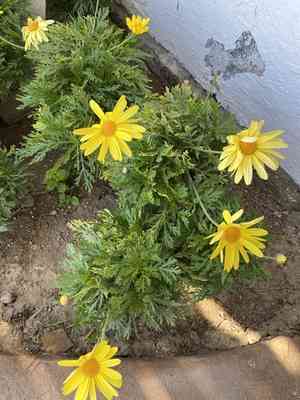
1
Provide water to your Marguerite daisy weekly, ensuring the upper 2-3 cm (1 inch) of soil is arid prior to subsequent irrigation.
2
For warmer regions, Marguerite daisies may require watering twice per week to prevent dehydration.
3
Employing a permeable container can aid in averting excessive moisture by facilitating improved drainage.
Understanding Marguerite Daisy Hydration Requirements
Environmental Factors Influencing Watering Frequency
The local environment significantly impacts how often your Marguerite daisy needs water. In areas with hot, arid conditions, the plant may require frequent irrigation to remain hydrated. Conversely, in cooler, more humid locales, less frequent watering might suffice. Always consider your regional climate when establishing a watering routine for your Marguerite daisy.
Seasonal Adjustments for Optimal Moisture
Seasonal shifts also affect your Marguerite daisy's watering demands. During the warm summer months, the plant might need watering every few days, depending on the heat's intensity. In contrast, during the colder winter months, when growth slows, you can reduce irrigation to once every ten days or even two weeks. Pay close attention to the soil's moisture level to adapt accordingly.
Effective Watering Methods for Marguerite Daisy
Selecting Appropriate Watering Implements
Choosing the right tools is vital for effectively hydrating your Marguerite daisy. A watering can with a long spout enables precise watering at the plant's base, reducing the risk of fungal diseases associated with wet foliage. Alternatively, employing a soaker hose or drip irrigation system can deliver a steady water supply directly to the roots, enhancing absorption and conserving water.
Optimal Times for Maximum Water Uptake
For peak water absorption, it's best to water your Marguerite daisy in the early morning or late evening. Irrigating during these cooler periods allows the plant to absorb water efficiently before the day's heat causes excessive evaporation. Avoid watering at midday when the sun is intense, as this can lead to rapid water loss and potentially harm the plant.
Visual Cues of Adequate vs. Inadequate Watering
Well-watered Marguerite daisies display lush, vibrant green leaves and robust growth. Conversely, signs of improper watering include yellowing foliage, which can indicate overwatering, and wilting or brittle leaves, suggesting underwatering. Regularly inspect your plant for these indicators to determine if your watering regimen needs adjustment.
Resolving Common Watering Problems
Addressing Excessive Watering
Overwatering is a frequent issue that can cause root rot and other fungal ailments in Marguerite daisy. To prevent this, ensure your pot has sufficient drainage holes and that the soil drains well. If you observe yellowing leaves or a saturated soil surface, allow the soil to dry completely before rewatering, and consider repotting the plant in fresh, dry soil.
Solutions for Insufficient Watering
If your Marguerite daisy exhibits signs of underwatering, such as wilting or browning leaves, immediate action is necessary. Begin by deeply watering the plant, ensuring the moisture reaches the root zone. To prevent future occurrences, establish a consistent watering schedule and apply mulch around the base to retain soil moisture. Sensor-based watering devices can also help monitor soil moisture levels to avoid dehydration.
Maintaining Moisture Balance During Extreme Conditions
Extreme weather can make it challenging to maintain proper moisture balance. During heatwaves, you might need to water your Marguerite daisy more frequently to prevent dehydration. In contrast, during heavy rainfalls, ensure adequate drainage to prevent waterlogging. Using potted Marguerite daisies allows for easy relocation during extreme weather, protecting plants from excessive sun or rain.
Advanced Strategies for Sustained Watering Success
Mulching Techniques to Preserve Soil Moisture
Applying mulch around your Marguerite daisy can significantly help retain soil moisture, especially during warmer months. Organic mulches like straw, bark chips, or compost not only conserve water but also enhance soil quality as they decompose. Maintain a mulch layer of approximately 5-8 cm (2-3 inches) thickness to optimize moisture retention and inhibit weed growth.
Implementing an Efficient Drip Irrigation System
Investing in a drip irrigation system can ensure your Marguerite daisy receives consistent and efficient watering. This method delivers water directly to the soil and root zone, minimizing evaporation and water waste. Drip systems can be set on timers to maintain a regular watering schedule, even when you are absent, ensuring your plant's hydration needs are continuously met.



