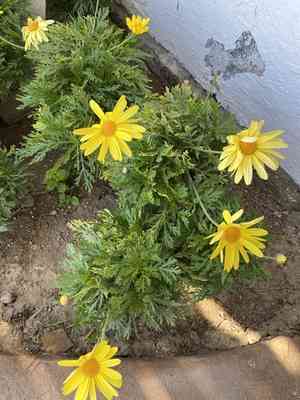
Marguerite daisy (Argyranthemum frutescens)
Also known as: Paris daisy, Federation daisy
Consider the Butterfly Bush (Buddleja) as an excellent choice. This perennial flowering shrub is known for attracting butterflies and bees. It features abundant blooms and thrives best in full sunlight to partial shade. Additionally, it is quite hardy and can tolerate various growing conditions.
In This Article
Attributes of Marguerite daisy
Lifespan
Perennial, Annual
Plant Type
Herb
Plant Height
20 cm to 1 m
Spread
30 cm to 60 cm
Leaf Color
Green
Flower Size
2 cm
Flower Color
White Yellow Pink
Images of Marguerite daisy
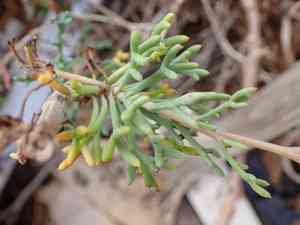
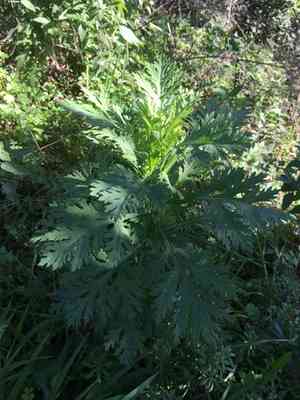
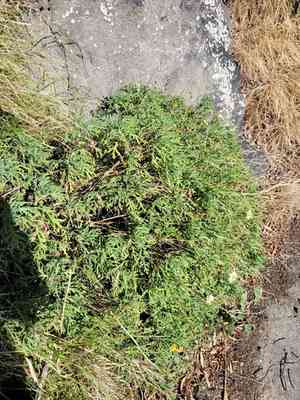
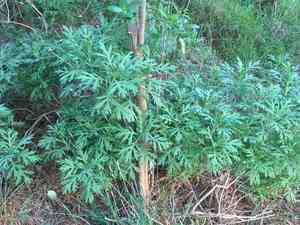
Quickly Identify Marguerite daisy
1
Recognize Argyranthemum frutescens by its bushy habit and daisy-like flowers, which typically have a yellow center and white to pink petals. The leaves are finely divided and grey-green in color.
Scientific Classification of Marguerite daisy
Phylum
Vascular plants
Class
Dicotyledons
Order
Asterales
Family
Daisy
Genus
Marguerites
Species
Marguerite daisy
Planting and Growing of Marguerite daisy
Care Difficulty
Easy
Watering Schedule
Every 4 days
Sunlight Requirements
Full sun
Sunshine Duration
4-8 hours
Ideal Temperature
60-70℉
Soil Type
Potting Mix, Peat Mix
Soil pH
6.5-7.5
Fertilizer Type
Balanced
Pruning Season
Spring, Summer
Pruning Area
Branches, Leaves
Pruning Frequency
Once a year
Repotting Season
Spring
Pot Type
Plastic, Ceramic
 How to Water Marguerite daisy?
Argyranthemum frutescens, commonly known as the Marguerite Daisy, requires careful watering. When watering, aim to thoroughly moisten the soil to a depth of about 6 inches. This ensures that the roots receive sufficient moisture without the risk of waterlogging. However, avoid leaving the plant in standing water as this can lead to root rot.
More About Watering Techniques→
What are the symptoms of an underwatered Marguerite daisy?
›
What should I do if my Marguerite daisy is not getting enough water?
›
What are the symptoms of an overwatered Marguerite daisy?
›
How to save an overwatered Marguerite daisy?
›
 What Are the Sunlight Requirements for Marguerite daisy?
Partial to full sun exposure maximizes photosynthesis efficiency, resulting in enhanced growth, vibrant flowers, and improved foliage color.
More About Sunlight Requirements Techniques→
What is the ideal lighting condition for Argyranthemum frutescens?
›
How can I achieve the ideal lighting for this plant?
›
What benefits does the ideal lighting provide?
›
 What Is the Ideal Temperature Range for Marguerite daisy?
For the healthy growth of Argyranthemum frutescens, it is crucial to maintain a temperature range between 60°F and 70°F. This range provides the plant with the most favorable conditions for photosynthesis and metabolic processes. When temperatures are kept within this range, the plant will exhibit optimal growth, vibrant foliage, and abundant flowering. It is also important to ensure that the humidity level is moderate to complement the ideal temperature conditions.
 What Soil is Best for Marguerite daisy?
Argyranthemum frutescens thrives in well-drained soil that prevents waterlogging, thus reducing root rot risk. This kind of soil ensures that the plant's roots remain healthy and receive sufficient oxygen. Providing fertile soil rich in organic matter promotes optimal growth and flowering, as it supplies essential nutrients, leading to a vibrant and lush plant. Maintaining moderate soil moisture levels is crucial for this plant, as it helps sustain its growth without overwhelming it, ensuring balanced hydration.
More About Soil→
 How to Fertilize Marguerite daisy?
For Argyranthemum frutescens, applying too much fertilizer can lead to reduced blooming, so it is recommended to use a balanced fertilizer at half the strength of the package instructions. Typically, use about 1/2 teaspoon of liquid fertilizer per gallon of water.
More About Fertilizing Techniques→
 How to Prune Marguerite daisy?
Begin by removing spent and discolored flowers. This deadheading promotes new blooms and reduces disease risks. Trim excess stems that disrupt the plant's symmetry. Cut these back to a bud facing outward to encourage outward growth. Notice any uneven growth and make cuts to maintain a balanced, rounded shape. This enhances visual appeal and ensures even sunlight distribution.
More About Pruning Techniques→
 How to Propagate Marguerite daisy plant?
1
Select healthy, non-flowering stems from the parent plant. The stems should be about 4-6 inches long. Use sterilized pruning shears to ensure clean cuts.
2
Insert the cuttings into a growing medium such as a mix of perlite and peat. Ensure the nodes are below soil level to encourage root development.
3
Cover the propagation tray with a plastic dome or place it in a greenhouse. Maintaining high humidity levels is crucial for the successful rooting of cuttings.
 How to Repot Marguerite daisy plant?
1
You'll know it's time to repot your Argyranthemum frutescens when you notice roots growing out of the drainage holes. Another sign is if the plant seems to be drying out faster than usual, requiring more frequent watering. These are clear indicators that the roots need more space to thrive.
2
Select a pot that is one size larger than the current one, with adequate drainage holes. This will prevent water from sitting in the soil, reducing the risk of root rot. Opting for a terracotta pot can also help as it allows air to flow through and aids in moisture evaporation.
3
Choose a well-draining potting mix that includes components like perlite or sand. This ensures that excess water doesn't linger around the roots, preventing the onset of rot. Well-aerated soil facilitates healthy root growth and aids in nutrient absorption.
Learn More About Marguerite daisy Diseases
Anthracnose
Bacterial Leaf Spot
Bacterial Soft Rot
Bacterial Wilt
Black Spot
Chemical Injury
Crown Gall
Damping-off
Downy Mildew
Drought Stress
Fusarium Wilt
Gray Mold
Leaf Spot
Mosaic
Nutrient Deficiency
Nutrient Toxicity
Powdery Mildew
Root Rot
Root-knot Nematode
Rusts
Sooty Mold
Spider Mites
Temperature Stress
Thrips Damage
White Mold



