How Often Should You Water Your Aloe vera?
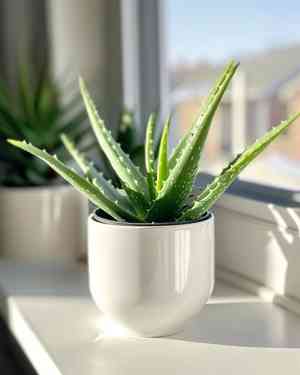
1
Provide water to your Aloe vera bi-weekly, but always confirm the soil's dampness prior to irrigation.
2
Utilize water that is at room temperature to prevent temperature shock for your Aloe vera.
3
Adjust your watering schedule according to seasonal changes, such as increasing it during warm, arid times and decreasing it during cooler, more humid conditions.
Deciphering Aloe vera Hydration Requirements
The Importance of Correct Watering for Aloe vera
The Aloe vera plant, a succulent prized for its therapeutic attributes, thrives with minimal upkeep. Proper hydration is vital for its well-being as it impacts root function and overall development. Excessive water can cause root decay, while insufficient water leads to dehydration and wilting leaves. Understanding your Aloe vera's specific watering needs ensures its continued vitality and health.
Indicators of Excessive or Insufficient Watering
Achieving the correct hydration level can be challenging. Over-hydrated Aloe vera typically exhibits yellowed, soft, and mushy foliage, a sign of root rot. Conversely, symptoms of under-hydration include dry, shriveled leaves with brown tips. Being attentive to these signs will help you modify your watering regimen, keeping your Aloe vera in prime condition.
Optimal Practices for Aloe vera Hydration
How to Ascertain When Your Aloe vera Requires Water
A practical method to determine if your Aloe vera needs watering is to assess the soil's moisture content. Insert your finger approximately 5 cm (2 inches) deep into the growing medium. If it feels dry at this depth, it is time to irrigate. This approach helps prevent over-watering and ensures the plant receives necessary moisture without waterlogging its roots.
Preferred Watering Techniques for Robust Growth
The best watering method for Aloe vera involves thorough, deep irrigation until liquid exits the pot's drainage holes. This guarantees that the root system gets ample moisture. Steer clear of superficial watering, as it doesn't penetrate deeply enough and can result in root desiccation. Always use water at ambient temperature, around 20-25°C (68-77°F), to prevent temperature shock to the plant.
Adjusting Watering Routines with Climatic Shifts
Hydrating Aloe vera During Warm and Arid Conditions
In summer or warmer climates, Aloe vera may require more frequent irrigation. Increased heat accelerates soil drying. Adjust your watering schedule to every one to two weeks, depending on your local environment. Ensure the soil is dry before re-watering to prevent root rot.
Modifying Watering in Cooler, Damp Weather
During cooler or more humid periods, such as winter, reduce irrigation frequency. Excess atmospheric moisture or slower evaporation rates can cause the soil to remain damp longer. In these times, watering once every three to four weeks may suffice. As always, verify soil moisture before deciding to water.
Common Errors to Avoid When Watering Aloe vera
Employing the Incorrect Water Type
Avoid using softened water, which contains salts that can harm your Aloe vera. Instead, opt for filtered or rainwater when feasible. Hard water, rich in minerals, can also cause mineral buildup in the soil, negatively impacting the plant's health. Water at room temperature is ideal to avoid shocking the plant.
Overlooking the Pot and Soil Medium
The container and soil type significantly influence your Aloe vera's watering requirements. Choose pots with excellent drainage, such as those made of terracotta. Utilize a well-draining succulent mix to prevent water accumulation around the roots. Regular potting soil retains too much moisture, potentially leading to root rot. Ensuring proper drainage with the right pot and soil helps maintain optimal moisture levels.



