How Often Should You Water Your Giant taro?
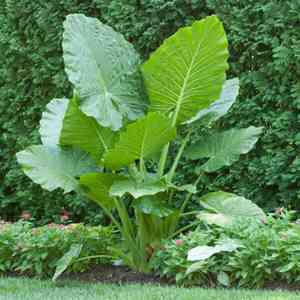
1
Provide your Giant taro with water weekly for best development. Excessive watering may cause root decay.
2
Modify irrigation frequency based on the time of year; reduce in colder periods and increase during active growth.
3
Employing a humidity sensor can assist in precisely determining the soil's moisture content.
Grasping the Hydration Requirements of Giant Taro
Recognizing Indicators of Sufficient Hydration
Appropriate watering is vital for your Giant taro's health and development. A primary sign of adequate moisture is the plant's vibrant, deep-green foliage. These leaves should appear sturdy and firm, without any browning at their edges. Another good clue is new growth; frequent new leaves suggest an effective watering regimen.
Repercussions of Excessive and Insufficient Watering
Both overwatering and underwatering can pose serious threats to your Giant taro. Excessive watering can lead to root rot, making the plant vulnerable to diseases. Symptoms include yellowing leaves and a soft stem base. Conversely, insufficient watering often results in drooping leaves and dry, brittle edges. Both extremes can stress the plant and impede its growth.
Seasonal Modifications to Watering
Your Giant taro will necessitate changes in its watering schedule depending on the season. During the active growth period, typically from spring to early autumn, the plant requires more frequent wateringâapproximately weekly. In contrast, during autumn and winter, when the plant's growth slows, reduce watering to once every two weeks. Always adjust based on the plant's condition and environmental factors.
Optimal Watering Practices for Giant Taro
Selecting the Appropriate Water Type and Temperature
The Giant taro thrives best with water at room temperature (around 20°C or 68°F). Cold water can shock the plant, while overly warm water can encourage fungal growth. Utilize filtered or rainwater instead of tap water, as the latter may contain chlorine or fluoride, which can be detrimental to the plant over time.
Effective Methods for Uniform Moisture Distribution
To ensure even moisture distribution, thoroughly water your Giant taro, allowing the water to penetrate the entire root system. Water slowly until you observe drainage from the pot's bottom. This practice ensures that all roots, even those at the base, receive sufficient moisture. Prevent over-saturation by emptying any excess water from the saucer beneath the pot.
How to Assess Soil Moisture Before Irrigating Giant Taro
Employing Tools for Soil Moisture Assessment
A moisture meter is an invaluable device for any plant owner. Insert the meter into the soil to obtain an accurate reading of the moisture level. Soil at the middle and lower depths should remain moderately moist. Consistent readings in the wet or dry zones indicate a need to modify your watering habits.
The Finger Test: A Simple Moisture Check
For a quicker, tool-free method, use your finger to gauge soil moisture. Insert your finger about 2.5 cm (1 inch) into the soil near the plantâs base. If it feels dry at this depth, it's time to water. If it still feels moist, wait a day or two and recheck. This straightforward technique can serve as a reliable guide for daily watering routines.
Adjusting Watering Routines for Giant Taro in Various Environments
Modifying Watering for Indoor vs. Outdoor Settings
Indoor Giant taro plants typically require less frequent watering compared to their outdoor counterparts due to reduced exposure to direct sunlight and wind. For indoor plants, adhere to the weekly rule, adjusting as needed based on humidity levels. Outdoor plants might need more frequent watering, especially during hot and arid periods.
Influence of Potting Medium on Watering Frequency
The type of potting mix you use can significantly impact how often you need to water your Giant taro. A mix that retains water effectively, containing components like peat moss or coco coir, demands less frequent watering. Conversely, a well-draining mix with sand or perlite will require more regular irrigation. Always customize your watering schedule to the specific blend you have utilized.



