How Often Should You Water Your Welsh onion?
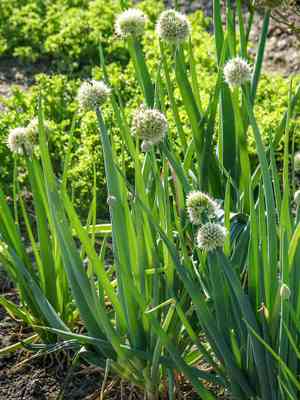
1
Irrigate your Welsh onion bi-weekly to sustain ideal soil dampness.
2
Applying mulch assists in preserving ground moisture and lessens irrigation frequency.
3
During warm weather conditions, water more often to stop the soil from desiccating.
Deciphering the Hydration Requirements of Welsh Onion
Fundamental Principles of Watering Welsh Onion
The Welsh onion, a flexible member of the Allium family, flourishes with consistent moisture. Due to its shallow root system, it's crucial to ensure the soil remains uniformly damp, but not waterlogged. Ideally, watering your Welsh onion twice weekly should be sufficient under typical conditions. When irrigating, confirm the water permeates at least 15-20 cm (6-8 inches) deep to reach the root zone.
Indicators of Sufficient Hydration
Recognizing if your Welsh onion is well-hydrated is essential for its vitality. Signs of adequate moisture include vivid green foliage and vigorous growth. The soil should feel damp to the touch but not soaked. A finger test can be useful; simply insert your finger into the soil to assess its moisture level. If the top 5 cm (2 inches) of soil is dry, it's time to water.
Dangers of Excessive and Insufficient Watering
Over-watering can lead to root rot, wilting, and yellowing of leaves, whereas under-watering may result in stunted development and brittle, brown leaf tips. To avert these issues, maintain a regular watering regimen and ensure proper drainage in your planting area. Applying mulch can help regulate moisture levels and mitigate the risk of both over and under-watering.
Optimal Practices for Irrigating Welsh Onion
When to Hydrate: Understanding the Best Period
The timing of your watering sessions significantly influences the health of your Welsh onion. Morning irrigation is frequently optimal, as it allows water to soak into the soil and be absorbed without excessive evaporation. Avoid watering during the peak heat of the day, which can cause water loss through evaporation, and in the evening, which can encourage fungal growth due to prolonged moisture on the foliage.
How to Water: Strategies for Perfect Moisture
For superior outcomes, employ a soaker hose or drip irrigation system to deliver water directly to the plant base, minimizing water waste and wetting of the leaves. Water slowly to facilitate deep penetration and prevent soil erosion. Consistent and even watering guarantees that the roots receive a steady supply of moisture, vital for the Welsh onion's well-being.
Seasonal Modifications to Watering Schedule
Adjust your watering routine according to the season. During the hot summer months, you might need to increase frequency to three times per week to prevent the soil from drying out. Conversely, in cooler seasons, decrease watering to avoid over-saturating the soil. Always monitor the soil moisture and adapt your schedule based on the plant's requirements.
Adapting Watering Methods for Various Environments
Indoor vs. Outdoor Welsh Onion Cultivation
Caring for Welsh onion can vary considerably between indoor and outdoor settings. Indoor plants tend to dry out more quickly due to lower humidity and regulated temperatures. Inspect indoor plants more often and water as needed. Outdoor plants benefit from natural rainfall, but you should still monitor soil moisture, especially during dry periods.
Adjusting Hydration Needs Based on Climate
Your local climate plays a critical role in determining your Welsh onion's watering requirements. In hotter climates, increase watering frequency to ensure the soil doesn't dry out. In cooler, more humid regions, reduce the frequency to prevent over-watering. Always observe weather patterns and soil moisture to make informed watering decisions.
Utilizing Mulch and Other Moisture Retention Techniques
Mulching is a highly effective method for moisture retention. A 2-3 cm (1 inch) layer of mulch around your Welsh onion helps conserve soil moisture, decrease evaporation, and maintain a stable soil temperature. Organic mulches such as straw, compost, or wood chips are excellent selections. Additionally, installing a moisture sensor can provide precise data to inform your watering schedule.



