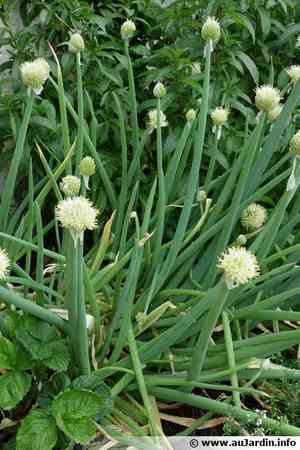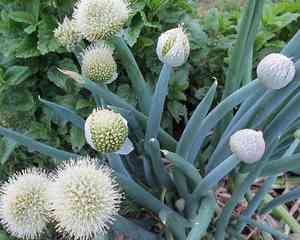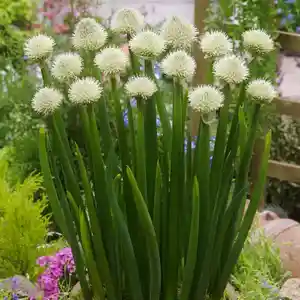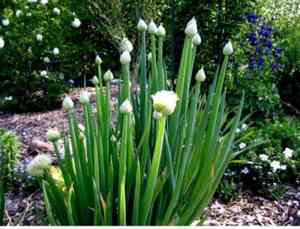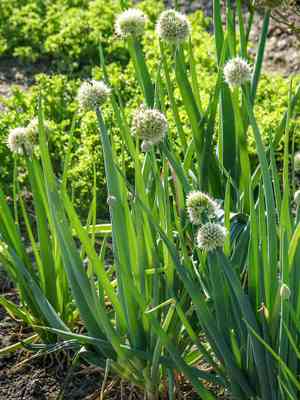
Welsh onion(Allium fistulosum)

Welsh onion (Allium fistulosum)

Also known as: Bunching onion, Spring onion

The Welsh onion (Allium fistulosum) is grown for its onion-like leaves, similar to scallions. Native to Asia, it was introduced to Europe in the 17th century and has since become naturalized in parts of North America, such as Canada, Alaska, and the northern United States.

Attributes of Welsh onion

Lifespan
Perennial
Plant Type
Herb
Plant Height
30 cm to 91 cm
Spread
10 cm
Leaf Color
Green
Flower Size
2.5 cm
Flower Color
White Yellow Cream

ForwardPlant - Identify plants with a snap

Identify and diagnose plants, get toxicity alerts, and explore safety guides for all types of fungi.

Try for Free

Images of Welsh onion

Welsh onion(Allium fistulosum)

Quickly Identify Welsh onion

1
Allium fistulosum can be identified by its hollow, cylindrical leaves and lack of a bulb. The plant has a mild onion scent and grows in clumps.

Scientific Classification of Welsh onion

Phylum
Vascular plants
Class
Monocotyledons
Order
Asparagus and allies
Family
Amaryllis
Genus
Onions
Species
Welsh onion

Planting and Growing of Welsh onion

Care Difficulty
Easy
Watering Schedule
Every 8 days
Sunlight Requirements
Full sun
Sunshine Duration
6-10 hours
Ideal Temperature
60-75℉
Soil Type
Potting Mix, Peat Mix
Soil pH
6-7
Fertilizer Type
Balanced
Pruning Season
Spring, Summer
Pruning Area
Branches, Leaves
Pruning Frequency
2 times a year
Repotting Season
Spring
Pot Type
Plastic, Ceramic

water icon How to Water Welsh onion?

Allium fistulosum prefers consistently moist soil, moist but not soggy. With each watering, the aim is to give the plant around 250ml of water per occasion, ensuring that the soil is evenly saturated without becoming waterlogged. This balance ensures the roots have enough moisture to absorb nutrients while promoting healthy growth.
What are the symptoms of an underwatered Welsh onion?
What should I do if my Welsh onion is not getting enough water?
What are the symptoms of an overwatered Welsh onion?
How to save an overwatered Welsh onion?
More About Watering Techniques

sunlight icon What Are the Sunlight Requirements for Welsh onion?

Sunlight Requirements: Full sun, Partial sun
Duration of light: 6 to 8 hours
Allium fistulosum thrives best in full sun to partial sun. Ideal light ensures robust growth and flavorful produce, while insufficient light results in weak plants.
What is the ideal location for Allium fistulosum to receive proper sunlight?
How can seasonal changes affect the plant's sunlight needs?
What impact does optimal sunlight have on its growth and yield?
More About Sunlight Requirements Techniques

temperature icon What Is the Ideal Temperature Range for Welsh onion?

Ideal Temperature: 60 ~ 75℉
For the optimal growth of Allium fistulosum, maintaining a temperature range between 60-75°F is ideal. This range ensures that the metabolic processes of the plant are functioning efficiently, allowing for proper growth and development. Consistent temperatures in this range help prevent stress that could lead to disease or pest infestations.

soil icon What Soil is Best for Welsh onion?

Soil type: Loam, Sandy loam, Sandy soil
Soil PH: 6 ~ 7
Allium fistulosum thrives in soil that is rich in organic matter. This ensures a steady supply of essential nutrients which promotes robust growth and flavorful stalks. This plant requires soil that allows water to drain efficiently, preventing root rot and promoting healthy root systems. It needs soil that maintains moisture well, which helps in sustaining the plant during dry periods and supports continuous growth. More About Soil

fertilize icon How to Fertilize Welsh onion?

Fertilizer type: Balanced
For Allium fistulosum, apply a balanced liquid fertilizer diluted to half-strength, ensuring that the soil is damp beforehand. Use approximately 1 liter of this solution per square meter to avoid over-fertilization and maintain nutrient balance. More About Fertilizing Techniques

prune icon How to Prune Welsh onion?

Pruning Time: Spring, Summer, Autumn, Winter
To prune Allium fistulosum, select the outer leaves and cut them near the base, using sharp scissors or pruning shears. This method promotes inner leaf growth and prevents the plant from exhausting itself. Make sure to leave the central shoots intact to allow continuous growth. Regularly removing older leaves ensures the plant remains vigorous and produce the best quality leaves. More About Pruning Techniques

propagate icon How to Propagate Welsh onion plant?

Propagate Time: Early spring, Late summer
1
Start by acquiring quality seeds and soak them in water for a few hours before sowing, as this can help speed up the germination process by softening the seed coat.
2
Carefully lift clumps during early spring or late summer and use a garden fork to separate healthy sections, ensuring each has a good amount of roots and shoots.
3
Plant seeds or divided clumps into prepared soil that is rich in organic matter. Ensure the soil is well-drained and has been worked to a fine tilth for optimal root growth.
More About Propagating Techniques

repot icon How to Repot Welsh onion plant?

Repotting frequency: Every 2-3 years
1
Allium fistulosum, commonly known as bunching onion, shows signs of needing repotting when its roots begin to circle the pot or emerge from drainage holes. Another signal is when it stops producing vigorous new growth despite optimum care conditions. Ideally, early spring or autumn provides the best climate for this transition as the plant enters active growth periods, minimizing the stress of repotting.
2
For Allium fistulosum, select a pot that is just one or two sizes larger than the current one. This avoids waterlogging by providing minimal extra soil volume, which can stay too wet if unused by roots. Opt for clay or terracotta materials for better evaporation and breathability, assisting in moisture balance. Ensure it has sufficient drainage holes to prevent root rot.
3
Allium fistulosum thrives in a rich, well-drained soil mix, which supports its high nutrient needs while preventing root rot. A mix incorporating compost, sand, and high-quality potting soil ensures necessary drainage and aeration. This promotes healthy root growth and sustains the plant's robust foliage production, crucial for optimum health and harvest.

ForwardPlant - Identify plants with a snap

Find the best spots for them to optimize their health, simply using your phone.

Try for Free

Toxicity of Welsh onion

Is Welsh onion toxic to cat?

Welsh onions exhibit a mild toxicity level for cats, presenting a risk if ingested, even inadvertently. Any part of the entire plant can lead to poisoning. Cats that come into contact with welsh onions may suffer from physical discomfort and illness, prompting their guardians to be alert for any unusual behavior or signs of distress. Seeking immediate veterinary assistance can provide rapid and appropriate care, helping to alleviate the effects of poisoning. Although the specific toxins found in welsh onions are not identified, vigilance and timely treatment are crucial.

Is Welsh onion toxic to dog?

Welsh onion presents a low-level toxicity risk for dogs. Pets may accidentally ingest parts of this plant, which can result in various health problems. The whole plant is deemed toxic and can trigger negative reactions if consumed by canines. Symptoms of toxicity in dogs can include gastrointestinal disturbances, like vomiting or diarrhea, and potentially more serious reactions depending on how much was eaten. It is essential for dog owners to keep a close eye on their pets and restrict access to welsh onion. If there is a suspicion that a dog has eaten any part of the welsh onion, it is vital to seek swift veterinary assistance to ensure the most favorable outcome.

Identify toxic plants for your safety

Learn which plants are harmful to you and your pets, and make informed choices for a safer home!

Try for Free
WARNING
The judgment on toxicity and danger is for reference only. We DO NOT GUARANTEE any accuracy of such judgment. Therefore, you SHALL NOT rely on such judgment. It is IMPORTANT TO SEEK PROFESSIONAL ADVICE in advance when necessary.
More About Toxic Techniques