How to Transplant Yucca gigantea?
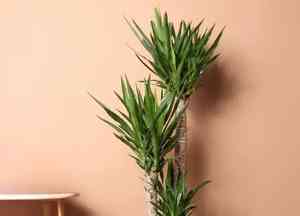
Relocate Yucca gigantea in the heart of early summer, as this period is most conducive for the plant's successful establishment. Verify that the chosen site offers excellent drainage and receives ample, diffused illumination. Carefully disentangle the root mass to foster more robust development. Enjoy your transplanting!
What Preparations are Needed Before Transplanting Spineless Yucca?
What is the Ideal Time for Transplanting Spineless Yucca?
Relocate your spineless yucca once temperatures rise, ideally at the start of summer. Moving your spineless yucca at this time allows it to comfortably settle into its new spot as the risk of frost is low, ensuring optimal development. Additionally, the abundant sunshine and warmth of early summer will revitalize your plant, enhancing its overall vitality. So, proceed confidently and give your spineless yucca a fresh start this sunny season.
How Much Space Should You Leave Between Spineless Yucca Plants?
When relocating spineless yucca, provide each plant ample room to develop. The optimal spacing is approximately 3-4 feet (90-120 cm) apart, allowing them space to spread and flourish.
What is the Best Soil Mix for Spineless Yucca Transplanting?
For successful relocation, spineless yucca thrives in well-draining soil, such as sandy or loamy varieties. Prior to transplanting, enrich the soil with a slow-release, granular base fertilizer to supply essential nutrients.
Where Should You Relocate Your Spineless Yucca?
Locate a suitable position for spineless yucca that receives abundant sunlight, as these plants enjoy basking in the sun. Aim for a spot that gets at least 6 hours of direct sunlight daily to ensure robust growth.
What Equipments Should You Prepare Before Transplantation Spineless Yucca?
Tree digging spade
This tool is crucial for extracting the spineless yucca from the ground without harming its root ball.
Gardening Gloves
To safeguard your hands while handling soil and plants.
Large Bucket or Wheelbarrow
For effortless transportation of the plant from one spot to another.
Gardening Trowel
For excavating the new planting site for the spineless yucca.
Pruning Shears
To trim away any dead or diseased branches before relocation.
Watering Can or Hose
To hydrate the plant during and after the relocation process.
How Do You Remove Spineless Yucca from the Soil?
How Do You Remove Spineless Yucca from the Soil?
From Ground: First, moisten the spineless yucca plant to dampen the soil. This will facilitate easier removal of the plant without damaging its roots. Using a tree digging spade, dig around the plant's root ball, ensuring the spade penetrates deep enough to keep the roots intact. Once the plant is loose, carefully lift it from the hole, making sure not to break the root ball. If the spineless yucca is very large, you might require additional assistance to lift it.From a Pot: If the plant is in a container, begin by watering until the soil is saturated. Gently turn the pot on its side, and carefully shake the spineless yucca out. You might need to tap the pot's rim on a firm surface to dislodge the plant. If the plant is resistant, you could use a knife to cut along the pot's inner edge. Exercise extreme caution to avoid damaging the root ball during this process.From a Seedling Tray: If you're relocating spineless yucca from a seedling tray, start by thoroughly watering the tray. This will make the seedlings easier to extract. Gently grasp the spineless yucca at its base and lift it from its compartment. Be careful not to harm the delicate young roots as you do so.
Step-by-Step Guide for Transplanting Spineless Yucca
Preparation
Arrange all your tools â your gardening gloves, tree digging spade, bucket or wheelbarrow, trowel, pruning shears, and watering can or hose. Ensure the area where you're relocating the spineless yucca is clear.
Removal
Depending on whether the spineless yucca is in the ground, in a pot, or a seedling tray, follow the appropriate extraction method as described previously.
Preparation of New Location
Excavate a hole with your trowel that is twice as wide and the same depth as the root ball.
Transplanting
Carefully position the spineless yucca in the hole. Ensure that the top of the root ball is flush with the ground surface. Backfill the hole with soil, gently firming as you proceed.
Watering
Once the spineless yucca is in place, water thoroughly immediately. This will help the soil settle around the roots.
How Do You Care For Spineless Yucca After Transplanting?
Watering
It is vital to consistently water the spineless yucca after relocation, especially during the initial weeks. The soil should remain moist, but avoid overwatering as it can lead to root rot.
Pruning
Monitor the health of your spineless yucca. Relocation can cause stress to a plant, and you may need to trim dead or withered parts to aid its recovery. Use clean pruning shears to prevent disease spread.
Protection
Depending on the climate, consider providing the spineless yucca with some shade to help it recover from the relocation shock.
Monitoring
Finally, observe your spineless yucca's overall well-being. If you notice wilting, yellowing, or any signs of pests, take appropriate care measures promptly.
Troubleshooting Common Issues with Spineless Yucca Transplantation.
What's the ideal time of year to transplant spineless yucca?
The perfect period for relocating spineless yucca is at the beginning of summer.
How much space should I allot when planting spineless yucca saplings?
Space spineless yucca saplings throughout your garden ensuring thereâs approximately 3 to 4 feet (0.9-1.2 metres) between them.
Why is my spineless yucca sickly and discolored after transplantation?
Spineless yucca might experience relocation shock, causing them to lose color. Ensure a healthy soil mixture, adequate sunlight, and sufficient water supply.
How deep should I bury spineless yucca while transplanting?
Dig a hole as deep as the root ball of the spineless yucca, typically around 1-2 feet (30-60 cm), for relocation.
What type of soil should I use when transplanting spineless yucca?
Spineless yucca prefer a well-draining soil blend. A mix of sand, peat moss, and compost would be excellent.
Do I need to add any fertilizer while transplanting spineless yucca?
Yes, incorporating a slow-release, balanced fertilizer into the planting hole can support the initial growth of spineless yucca.
How should I care for spineless yucca post-transplant?
Regular irrigation without overwatering, ample sunlight, and protection from strong winds will keep your spineless yucca healthy after relocation.
Why are the leaves of my transplanted spineless yucca turning yellow?
Excessive watering or poor drainage could cause spineless yucca's leaves to yellow. Ensure the plant is not sitting in water.
How often should I water spineless yucca after transplanting it?
Water spineless yucca every few days for the first week, then adjust watering to once a week or when the top inch (2.5 cm) of soil is dry.
Do I need to prune spineless yucca after transplanting?
Pruning isn't compulsory but removing any damaged or diseased leaves can encourage growth and maintain a pleasing appearance.



