How to Transplant Muscadine?
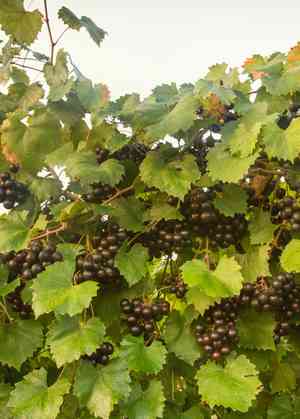
The most suitable period for relocating muscadine is within the revitalizing period of early spring. Place muscadine in a brightly lit area with soil that drains effectively for peak development, and gradually introduce it to its new surroundings for a smooth adjustment.
What Preparations are Needed Before Transplanting Muscadine?
What is the Ideal Time for Transplanting Muscadine?
The best time to move muscadine is at the start of spring, specifically early to mid-spring. This period offers mild weather, which helps roots grow strong without the stress of summer heat. Moving muscadine then takes advantage of the season's damp soil and gentle temperatures, making the move easier and improving growth. By transplanting during this favorable time, muscadine has a full season to develop, building its strength for the warmer months ahead.
How Much Space Should You Leave Between Muscadine Plants?
When relocating muscadine, ensure a spacing of approximately 15-20 feet (4.5-6 meters) between plants. This provides ample room for each plant to thrive without competing for resources.
What is the Best Soil Mix for Muscadine Transplanting?
Muscadine thrives in well-drained, loamy or sandy soil that isn't overly rich. Before transplanting, enrich the soil with a slow-release, granular 10-10-10 fertilizer. This supplies essential nutrients to support muscadine's growth.
Where Should You Relocate Your Muscadine?
For muscadine, a spot receiving full sun to partial shade is optimal. It requires about six hours of sunlight daily, making a south or west-facing garden area a suitable choice.
What Equipments Should You Prepare Before Transplantation Muscadine?
Shovel or garden spade
Perfect for digging holes in the garden when moving muscadine.
Gardening Gloves
To safeguard your hands while handling soil and plants.
Pruning Shears
Crucial for trimming any dead or unwanted branches.
Wheelbarrow
Useful for moving the plant, soil, and other heavy garden items during the transplanting process.
Stakes and Ties
To support the young plant and ensure it remains upright.
Watering Can or Hose
For hydrating the plant before removal from its original spot, and for watering after the transplant.
Mulch
To help retain soil moisture after the transplant.
How Do You Remove Muscadine from the Soil?
How Do You Remove Muscadine from the Soil?
From Ground: Start by watering the muscadine plant to soften the soil. Use a garden spade to dig a trench around the plant, making sure it's wide enough to keep the root system intact. Work the spade under the root ball and carefully lift the plant from its original location.From pot: Water the muscadine thoroughly before removing it from the pot. Invert the pot while gently holding the plant at its base, tap the pot's rim on a firm surface, and slide the root ball out. If it doesn't release, gently tap or shake the pot more. Be careful not to harm the roots.From seedling tray: When muscadine seedlings develop their second set of true leaves, it's time to move them. Water the tray to moisten the soil. Gently hold the seedling by its leaves and use a tool like a spoon or a transplanting tool to lift it out. Avoid holding the stem, as it can be easily damaged.
Step-by-Step Guide for Transplanting Muscadine
Site Preparation
Prepare the transplant hole before removing the muscadine plant from its initial spot. The hole should be twice as wide but no deeper than the root ball. If the soil is very dense, loosening it beyond the hole may be necessary to allow roots to spread.
Placement
Position the muscadine plant in the hole. Ensure it is straight and the top of the root ball is level with the ground.
Backfill
Fill the hole halfway with soil, then water thoroughly. Once the water has drained, fill the remainder of the hole with soil.
Staking
If the muscadine plant is tall, it might require staking for support. Ensure the stakes and ties used do not harm or constrict the plant.
Watering
Water the plant adequately. This will help settle the soil and reduce transplant shock for the plant.
How Do You Care For Muscadine After Transplanting?
Watering
After transplanting, muscadine will likely need consistent watering until it establishes itself. After the initial few weeks, you can gradually reduce the watering frequency.
Pruning
Prune the muscadine plant during its dormant period, typically in late winter or early spring, to encourage new growth and maintain its shape.
Mulching
Apply mulch around the plant's base to help retain soil moisture and suppress weed growth.
Foliage Checking
Regularly inspect your muscadine's foliage to detect any early signs of disease or pest infestation. Address any issues promptly to ensure the plant's healthy growth.
Troubleshooting Common Issues with Muscadine Transplantation.
When is the ideal time to transplant the muscadine?
The perfect time to relocate muscadine is during the S1-S2 period - it's their best growth phases!
What's the best spacing for muscadine when transplanting?
You should leave a generous 15-20 feet (4.57-6.10 meters) between each muscadine when transplanting to ensure healthy growth!
Why does my newly transplanted muscadine look wilted?
Muscadine might wilt after transplanting due to shock. Keep it watered and be patient - the plant should recover within a week or two.
How deep should I plant muscadine while transplanting?
Dig a hole that's wide and deep enough to accommodate the entire root system. Ensure the top of the root is level with the soil surface.
How does soil quality affect muscadine after transplantation?
Muscadine prefers well-drained, sandy loam soils with a pH of 6.0-6.5. Poor soil conditions can hinder its growth or even cause disease.
How much water does muscadine need after being transplanted?
Give muscadine a good soak immediately after transplanting. Then, continue watering every 7 to 10 days, depending on rainfall and soil dryness.
Why is my muscadine yellowing after transplanting?
Yellowing leaves can be a sign of transplant shock or water stress. Another possibility is nutrient deficiency, especially if your soil hasn't been enriched.
Do I need to prune muscadine after transplanting?
Yes, it's a good practice to prune muscadine back to one or two healthy branches to minimize the plant's demand for water after relocating.
What's the best way to ensure a successful transplant operation for muscadine?
Prepare the new site well, avoid damaging roots during excavation, water sufficiently after transplantation and follow all the recommended distancing and depth guidelines.
How long will it take for muscadine to establish itself after transplantation?
Muscadine typically takes a few weeks to fully establish in its new location, though it may start showing fresh growth before that.



