Muscadine (Vitis rotundifolia)
Also known as: Bullace grape, Scuppernong
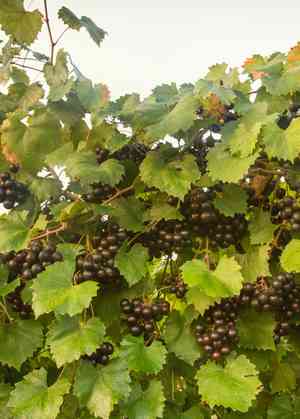
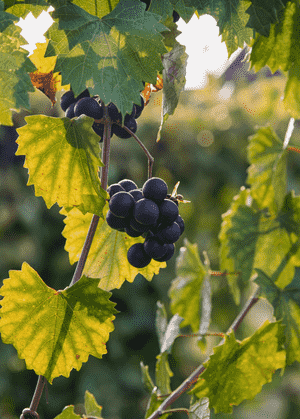
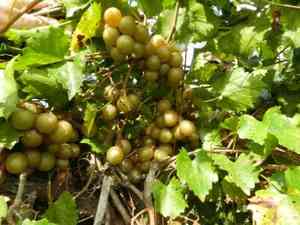
Muscadine (Vitis rotundifolia) is a grapevine species indigenous to North America. Unlike Vitis vinifera, muscadine grapes form small clusters of round berries that feature a thicker skin and a more substantial, fleshier texture. When ripe, these berries typically appear dark purple or black.
Attributes of Muscadine
Images of Muscadine
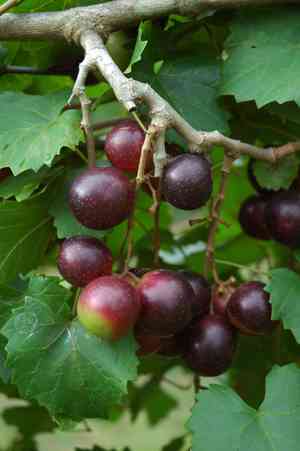
Quickly Identify Muscadine
Scientific Classification of Muscadine
Planting and Growing of Muscadine
 How to Water Muscadine?
 What Are the Sunlight Requirements for Muscadine?
 What Is the Ideal Temperature Range for Muscadine?
 What Soil is Best for Muscadine?
 How to Fertilize Muscadine?
 How to Prune Muscadine?
 How to Propagate Muscadine plant?
 How to Repot Muscadine plant?
Toxicity of Muscadine
Is Muscadine toxic to cat?
Muscadine exhibits a moderate toxicity level for cats, primarily when the fruits are consumed. Pet owners need to be observant, as the enticing appearance of these fruits can easily result in accidental consumption by inquisitive felines. After ingestion, affected cats may show symptoms of distress or illness, signaling adverse effects from the toxicity. It is crucial to respond promptly and contact a veterinarian immediately upon noticing any negative reactions to safeguard the pet's health and safety.
Is Muscadine toxic to dog?
Muscadine presents a moderate toxicity threat to dogs, particularly when the fruits are consumed. Dogs may suffer from poisoning as a result of eating the fruit, which can result in various symptoms associated with toxic reactions. Pet owners must be attentive for indications like gastrointestinal distress, vomiting, diarrhea, or more serious manifestations that may suggest a toxic response. If a dog shows any of these signs after ingesting muscadine, it is crucial to obtain prompt veterinary assistance to secure the best possible recovery for the pet's well-being.



