How to Transplant Japanese violet?
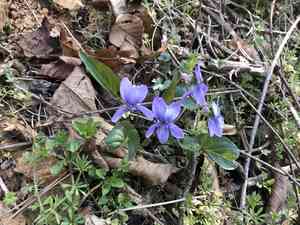
To achieve optimal results, relocate japanese violet when climatic conditions are temperate, generally from the pleasant warmth of late spring into the embrace of early summer, or during the tranquil period spanning late autumn to early winter. Select a location offering filtered sunlight, making sure the soil is consistently damp yet drains effectively to accommodate japanese violet's root system. A helpful suggestion: Preserve the root ball's integrity to facilitate smooth integration.
What Preparations are Necessary Before Relocating Japanese Violet?
What is the Optimal Period for Moving Japanese Violet?
For japanese violet, the perfect time to relocate is when spring reaches its peak or as autumn brings cooler temperatures. This timing allows japanese violet to establish itself without the extreme stress of summer heat or the depths of winter. During these seasons, moderate temperatures and increased rainfall create an ideal environment for root development, ensuring japanese violet flourishes. Following this schedule promises a strong beginning for japanese violet, boosting its vigor and blooming potential.
How Much Space Should Be Allotted Between Japanese Violet Plants?
To provide your japanese violet ample room to thrive, aim for a separation of approximately 6-8 inches (15-20 cm). This provides sufficient space for growth while maintaining a close, collective feel among your plants.
What is the Best Soil Mixture for Japanese Violet Relocation?
For the healthiest japanese violet, combine rich, fertile soil with some compost or a balanced slow-release plant food. Always ensure the soil drains well to keep those roots cozy and dry!
Where Should You Replant Your Japanese Violet?
Locate a pleasant spot with dappled shade for your japanese violet, as they appreciate a blend of gentle sunlight and cool relief. Morning sun with afternoon shade is the ideal combination for these beautiful plants!
What Equipment Should You Prepare Before Transplanting Japanese Violet?
Gardening Gloves
To safeguard your hands while handling soil and plants.
Spade or Shovel
For digging around and lifting the plant's root mass.
Watering Can or Hose
To hydrate the plant before and after moving it.
Wheelbarrow or Plant Dolly
For moving the plant if it is heavy or large.
Pruning Shears
To trim any damaged roots or foliage.
Garden Fork
To loosen the soil surrounding the plant's roots.
Mulch
To help retain moisture and reduce weed growth after transplant.
How Do You Extract Japanese Violet from the Ground?
How Do You Extract Japanese Violet from the Ground?
From Ground: Water the japanese violet generously to make the soil easier to manage. Using a spade or shovel, carefully dig a wide circle around the plant to avoid harming the root system. Gently pry under the root ball to lift the plant out of the ground.From Pot: Tilt the pot sideways and gently tap the sides and bottom to loosen the soil. Grasp the base of the japanese violet and carefully remove it from the pot, supporting the root ball.From Seedling Tray: Water the seedlings to ensure the soil is moist. Carefully use a fork or your fingers to lift each japanese violet seedling, taking care to disturb the roots as little as possible.
Step-by-Step Guide for Relocating Japanese Violet
Excavating the New Hole
At the new site, dig a hole that is twice as wide and the same depth as the japanese violet's root ball to ensure ample space for root expansion.
Inspecting the Roots
Examine the japanese violet's roots for indications of disease or damage, and use pruning shears to remove any affected areas.
Positioning the Plant
Place the japanese violet in the center of the new hole and spread its roots outwards. Ensure that the top of the root ball is level with the surrounding soil surface.
Refilling the Hole
Gently backfill the hole with soil around the root ball, lightly tamping down to eliminate air pockets. Do not plant the specimen deeper than its previous growing depth.
Watering
Thoroughly water the japanese violet to settle the soil and hydrate the roots. Water slowly to allow the water to penetrate and reach the roots instead of running off.
Adding Mulch
Apply a layer of mulch around the base of the japanese violet, keeping it a few inches away from the stem. Mulch will help to conserve moisture and regulate soil temperature.
How Do You Care For Japanese Violet After Relocation?
Initial Watering
Regularly water the japanese violet to maintain consistent soil moisture for the first few weeks. Water deeply to encourage root development.
Checking Plant Health
Observe the japanese violet for signs of transplant shock, such as wilting or discolored leaves. If symptoms appear, ensure proper care and adjust as needed.
Pruning
Snip off any dead or dying flowers or leaves. This helps the japanese violet to direct its energy towards developing strong roots and new growth.
Troubleshooting Common Issues with Japanese Violet Relocation.
What's the optimal time of year to move japanese violet?
Relocate japanese violet during the mild weather of late spring to early summer or the cool days of late fall to early winter to minimize stress.
How far apart should I space japanese violet when relocating?
Space japanese violet approximately 6-8 inches (15-20 cm) apart to ensure they have adequate room to grow and flourish.
What is the ideal soil condition for relocating japanese violet?
Aim for well-draining, rich soil with a pH that is slightly acidic to neutral. This is crucial for successful relocation.
How deep should I plant japanese violet when relocating?
Dig a hole as deep as the root ball and twice as wide to provide space for the roots to expand.
Should I water japanese violet immediately after relocating?
Yes, provide your newly relocated japanese violet with a good watering to help settle the soil and reduce transplant shock.
How can I protect japanese violet from transplant shock?
Water thoroughly after relocating and keep the soil consistently moist, but not waterlogged, during the initial weeks.
Does japanese violet require full sun or shade when relocated?
Relocate japanese violet to a spot where they can receive partial to full shade, as they prefer cooler environments.
How can I ensure the roots of japanese violet are not damaged during relocation?
Gently loosen the root ball before planting, and handle with care to prevent damage to delicate roots.
When can I expect japanese violet to bloom after relocating?
With proper care, japanese violet should bloom in their flowering season following relocation if not stressed.
Can I use fertilizer immediately after relocating japanese violet?
Wait a few weeks before introducing a balanced, slow-release fertilizer to avoid burning the roots of your japanese violet.



