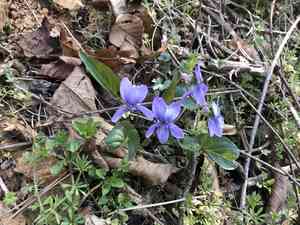
Japanese violet (Viola japonica)
Also known as: Japanese Violet, Viola keiskei
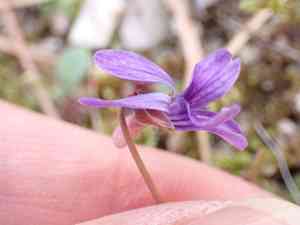
The Japanese violet is an enchanting perennial herb known for its heart-shaped leaves and exquisite purple flowers with darker veins. It flourishes in the cool, shaded understory of East Asian woodlands, blooming from spring to summer. Despite its petite size, this plant is robust and adapts well to shady, moist environments, creating a lush ground cover that draws in pollinators.
In This Article
Attributes of Japanese violet
Lifespan
Perennial
Plant Type
Herb
Plant Height
20 cm
Spread
10-20 cm
Leaf Color
Dark green
Flower Size
1-2 cm
Flower Color
Purple Blue
Images of Japanese violet
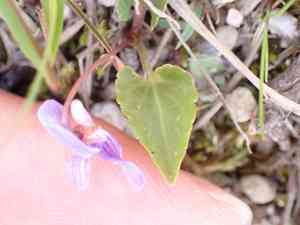
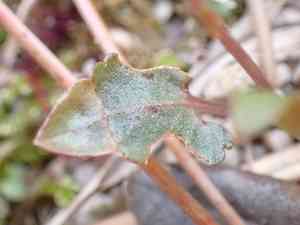
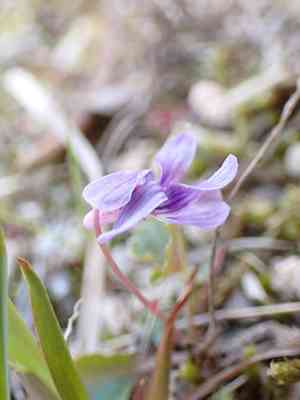
Quickly Identify Japanese violet
1
Viola japonica can be identified by its heart-shaped leaves, which are typically dark green and glossy. The plant bears small, delicate, purple to violet flowers that appear in the spring. It prefers shaded, moist environments.
Scientific Classification of Japanese violet
Phylum
Vascular plants
Class
Dicotyledons
Order
Malpighiales
Family
Violet
Genus
Violets
Species
Japanese violet
Planting and Growing of Japanese violet
Care Difficulty
Easy
Watering Schedule
Every 6 days
Sunlight Requirements
Partial sun
Sunshine Duration
6-10 hours
Ideal Temperature
60-75℉
Soil Type
Potting Mix, Peat Mix
Soil pH
6.5-7.5
Fertilizer Type
Balanced
Pruning Season
Spring, Summer
Pruning Area
Branches, Leaves
Pruning Frequency
2 times a year
Repotting Season
Spring
Pot Type
Plastic, Ceramic
 How to Water Japanese violet?
Viola japonica, or Japanese violet, prefers evenly moist soil that drains well. Water the plant with approximately 150 milliliters at each session, ensuring the water reaches the roots but does not leave the soil overly saturated. This keeps the foliage vibrant and the roots strong.
What are the symptoms of an underwatered Japanese violet?
›
What should I do if my Japanese violet is not getting enough water?
›
What are the symptoms of an overwatered Japanese violet?
›
How to save an overwatered Japanese violet?
›
 What Are the Sunlight Requirements for Japanese violet?
Viola japonica prefers partial sunlight or full shade. These conditions allow the plant to maximize chlorophyll production while minimizing stress, resulting in lush growth.
More About Sunlight Requirements Techniques→
What type of sunlight does Viola japonica prefer?
›
How can I achieve the ideal lighting for Viola japonica?
›
What benefits does viola japonica gain from ideal light conditions?
›
 What Is the Ideal Temperature Range for Japanese violet?
The optimal temperature range for growing Viola japonica is between 60°F and 75°F. This temperature range provides optimal growing conditions, allowing for healthy foliage growth and vibrant blooms. Maintaining this range ensures the plant avoids stress and remains vigorous.
 What Soil is Best for Japanese violet?
Viola japonica thrives in well-drained soil to prevent root rot and encourage healthy growth. A well-structured soil allows oxygen to reach the roots, promoting robust plant development. This plant prefers soil that retains moderate moisture, ensuring the roots are neither too dry nor waterlogged. Adequate moisture is crucial for nutrient transport and overall plant vitality. A nutrient-rich substrate is essential for Viola japonica, providing necessary minerals for vibrant foliage and flowering. Incorporating organic matter can greatly enhance the soil's fertility level.
 How to Fertilize Japanese violet?
For Viola japonica, it's vital to provide a balanced amount of nutrients without overloading the soil. Typically, you should use around half the recommended dose of liquid fertilizer specified on the product label. This is because these plants generally prefer leaner soil conditions. Excessive nutrients can lead to poor flowering and foliage growth, so moderation is key.
 How to Prune Japanese violet?
Begin by inspecting the plant for any dead or yellowing leaves and carefully remove them. This helps in directing the plant's energy towards new growth and healthier leaves. Cut back any overgrown stems to maintain the plant’s shape and encourage bushier growth. Make your cuts just above healthy nodes to facilitate more vigorous budding. Use pruning to shape the plant to your liking, keeping in mind its natural growth habit. Remove unwanted stems that disrupt the desired overall form while maintaining a balance.
More About Pruning Techniques→
 How to Propagate Japanese violet plant?
1
Ensure the seed tray is clean and filled with a fine potting mix. Moisten the mix thoroughly, as this provides the right conditions for seed germination. Place the tray in a location that receives indirect sunlight, maintaining consistent warmth and humidity.
2
When dividing Viola japonica, carefully uproot the plant to avoid damaging roots. Use a sterilized knife to separate the plant into smaller sections, ensuring each section has healthy roots and shoots. Plant these divisions in prepared pots with fresh potting soil.
3
After setting up the seeds or divisions, water the plants gently to settle the soil and remove air pockets. Monitor the plants regularly for any signs of stress or disease. Maintain consistent moisture and warmth to encourage steady growth.
 How to Repot Japanese violet plant?
1
Watch for signs like roots crowding at the bottom holes of the pot or soil drying out too quickly. These indicate that your Viola japonica is ready for a new, larger home.
2
Opt for a pot that is slightly larger than the current one, with adequate drainage holes. This encourages healthy root growth and prevents the risk of waterlogging-induced root rot.
3
Use a well-draining loamy soil mix enriched with organic matter. This kind of soil supports robust growth and avoids moisture retention that could lead to root issues.
Learn More About Japanese violet Diseases
Anthracnose
Bacterial Leaf Spot
Crown Gall
Cyst Nematode
Damping-off
Downy Mildew
Drought Stress
Fusarium Wilt
Gray Mold
Leaf Curl
Leaf Spot
Mosaic
Nutrient Deficiency
Nutrient Toxicity
Powdery Mildew
Root Rot
Root-knot Nematode
Rusts
Sooty Mold
Spider Mites
Temperature Stress
Thrips Damage
White Mold



