How to Transplant Smooth yellow vetch?
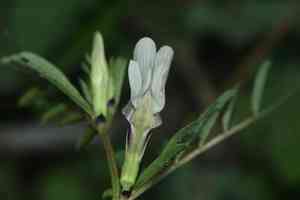
To successfully cultivate smooth yellow vetch, introduce them into the earth during the prime period of the year, spanning from the onset of early spring to the lively days of mid-spring. Select a sunny location with soil that drains effectively. For optimal outcomes, guarantee that the nascent plants are progressively accustomed to external environments.
What Preparations are Needed Before Transplanting Smooth Yellow Vetch?
What is the Ideal Time for Transplanting Smooth Yellow Vetch?
The best time to move smooth yellow vetch is in early spring, typically from late March to April. Moving smooth yellow vetch during this period allows them to benefit from longer days and mild temperatures, which are vital for their establishment and development. This timing leverages the season's gentle warmth, promoting root growth before the summer heat becomes intense. It's the perfect moment for smooth yellow vetch to adapt and flourish, promising abundant blooms.
How Much Space Should You Leave Between Smooth Yellow Vetch Plants?
When relocating smooth yellow vetch, aim for adequate but not excessive spacing. Position them approximately 4-6 inches apart (10-15 cm). This provides each plant with sufficient room to grow and thrive robustly.
What is the Best Soil Mix for Smooth Yellow Vetch Transplanting?
For smooth yellow vetch, consider a comfortable growing medium: utilize well-draining soil enriched with a balanced, slow-release fertilizer. A happy plant is a thriving plant!
Where Should You Relocate Your Smooth Yellow Vetch?
Select a sunny location where smooth yellow vetch can receive full sunlight for most of the day. Your small sun-lovers will appreciate at least 6 hours of direct sun exposure!
What Equipments Should You Prepare Before Transplantation Smooth Yellow Vetch?
Gardening Gloves
To safeguard your hands while handling soil and plants.
Hand Trowel
For digging and moving the smooth yellow vetch to its new planting spot.
Watering Can or Hose
To hydrate the smooth yellow vetch before and after its relocation.
Garden Spade
To excavate the smooth yellow vetch if it's being moved from the ground.
Pruners or Scissors
To trim any damaged roots or foliage.
How Do You Remove Smooth Yellow Vetch from the Soil?
How Do You Remove Smooth Yellow Vetch from the Soil?
From Ground: Moisten the smooth yellow vetch's soil to facilitate removal. Use a garden spade to dig a wide trench around the plant, ensuring a generous margin around the root ball. Carefully lift the plant by sliding the spade underneath the root ball.From Pot: Water the smooth yellow vetch and gently tap the pot's sides to loosen the soil from the edges. Tilt the pot sideways and carefully slide out the plant, supporting the root ball.From Seedling Tray: Water the seedling tray and use a hand trowel or your fingers to push up from the cell's bottom to extract the smooth yellow vetch and its root ball without causing harm.
Step-by-Step Guide for Transplanting Smooth Yellow Vetch
Preparation
Ensure the new planting site is ready for the smooth yellow vetch, with a hole twice as wide and as deep as the root ball.
Removal
Depending on its original location, follow the appropriate removal method described earlier to obtain the smooth yellow vetch with its root ball intact.
Transplanting
Place the smooth yellow vetch into the prepared hole, positioning it at the same depth it was previously growing. Gently spread out the roots if they are circling the root ball.
Soil Backfilling
Refill the hole with the excavated soil, lightly patting it down to ensure stability without over-compacting the soil.
Watering
Thoroughly water the smooth yellow vetch to settle the soil and help eliminate air pockets. This watering will also provide essential hydration for the roots.
Stabilizing
If necessary, stake the smooth yellow vetch for additional support to prevent wind damage or to encourage upright growth.
How Do You Care For Smooth Yellow Vetch After Transplanting?
Watering
Maintain consistent soil moisture without overwatering to help smooth yellow vetch establish itself in its new spot.
Mulching
Apply a layer of mulch around the base of the smooth yellow vetch to retain soil moisture and regulate soil temperature.
Staking
Check any supports used to ensure they continue to assist the smooth yellow vetch without hindering its growth.
Pruning
Trim any visibly damaged or diseased foliage to direct the smooth yellow vetch's energy towards establishing new roots and healthy growth.
Monitoring
Watch for signs of transplant shock, such as wilting leaves or discoloration, and take corrective measures as needed.
Fertilizing
Refrain from fertilizing until the smooth yellow vetch shows signs of new growth and has had time to recover from transplant stress.
Troubleshooting Common Issues with Smooth Yellow Vetch Transplantation.
How do I know when it's the best time to transplant smooth yellow vetch?
The ideal period for relocating smooth yellow vetch is during early to mid-spring when the soil is workable.
What's the ideal spacing for smooth yellow vetch seedlings?
Space smooth yellow vetch seedlings approximately 4-6 inches (10-15 cm) apart to provide ample room for development.
Can smooth yellow vetch be transplanted on a rainy day?
Moving smooth yellow vetch on a cloudy day with light rain can lessen transplant shock and aid in establishment.
What soil conditions favor the successful transplanting of smooth yellow vetch?
Well-draining soil rich in organic matter is optimal for transplanting smooth yellow vetch. Avoid waterlogged areas.
How deep should I plant smooth yellow vetch seedlings?
Plant smooth yellow vetch at the same depth it was growing in its previous container, ensuring the roots are adequately covered.
What should I do if my smooth yellow vetch seedlings wilt after transplanting?
Frequent, light watering can help wilting smooth yellow vetch recover. Ensure the soil is moist but not waterlogged.
Why are my smooth yellow vetch transplants showing slow growth?
Slow growth can be attributed to transplant shock or insufficient nutrients. Consider a balanced fertilizer and ensure proper sunlight exposure.
How can I prevent transplant shock in smooth yellow vetch?
Gradually acclimate smooth yellow vetch seedlings to outdoor conditions, maintain soil moisture, and avoid disturbing roots during transplanting.
Is there a specific time of day best for transplanting smooth yellow vetch?
Transplant smooth yellow vetch during cooler parts of the day, such as morning or evening, to minimize stress.
What should I do if the leaves of smooth yellow vetch turn yellow post-transplant?
Yellow leaves may indicate over-watering or a nutrient deficiency. Adjust watering practices and consider a nutrient boost.



