How to Transplant Gentian speedwell?
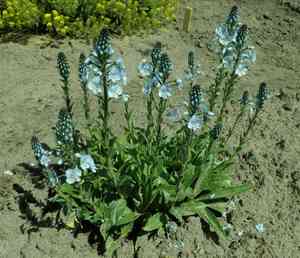
Gentian speedwell flourishes when relocated during the lively period spanning from the beginning to the end of spring. Select a site that receives ample sunlight to partial shade and features soil with good drainage. Verify that the fresh position offers steady hydration to aid the plant in rapidly settling.
What Preparations are Needed Before Transplanting Gentian Speedwell?
What is the Ideal Time for Transplanting Gentian Speedwell?
Gentian speedwell, a perennial, is best moved from early to late spring due to optimal soil moisture and daytime temperatures. Transplanting during this period ensures vigorous root development and acclimatization before summer heat arrives. This timing enhances plant stability and bloom potential, ultimately fostering a healthier and more resilient growth cycle.
How Much Space Should You Leave Between Gentian Speedwell Plants?
For transplanting gentian speedwell, space each plant 12-18 inches (30-45 cm) apart. This ensures enough room for growth and proper air circulation, keeping them healthy and happy.
What is the Best Soil Mix for Gentian Speedwell Transplanting?
Prepare well-draining, loamy soil with organic matter for gentian speedwell. Mix in a balanced fertilizer, like a 10-10-10 NPK, to provide essential nutrients and support vigorous growth.
Where Should You Relocate Your Gentian Speedwell?
Choose a location with full sun to partial shade for gentian speedwell. They thrive with about 6 hours of sunlight daily, which helps them bloom beautifully.
What Equipments Should You Prepare Before Transplantation Gentian Speedwell?
Gardening Gloves
To protect your hands while working with the soil and plant.
Hand Trowel
For digging and transplanting the plant.
Shovel or Spade
To dig the trench around the plant if removing from the ground.
Watering Can or Hose
For watering the plant before and after transplanting.
Garden Fork
Helpful for loosening the soil without damaging the root system.
Mulch
To help retain moisture in the soil after transplanting.
Bucket or Container
For temporary placement if needed during the transition.
How Do You Remove Gentian Speedwell from the Soil?
How Do You Remove Gentian Speedwell from the Soil?
From Ground: First, water the gentian speedwell plant to dampen the soil. Then, dig a wide trench around the plant using a shovel or spade, ensuring the plant's root ball remains intact. Carefully work the spade under the root ball to lift the plant from its original location.From Pot: Water the gentian speedwell plant thoroughly and gently tap the sides of the pot to loosen the soil. Tip the pot on its side and slide the plant out, supporting the root ball with your hand.From Seedling Tray: Water the gentian speedwell plant and use a hand trowel or spoon to carefully lift the seedling, ensuring you gather as much of the root system as possible. Handle the seedlings gently to avoid damaging the delicate roots.
Step-by-Step Guide for Transplanting Gentian Speedwell
Preparation
Ensure the new planting site is prepared with loosened soil to make it easier for the roots to spread.
Digging the Hole
Dig a hole in the new location that is roughly twice the width and the same depth as the gentian speedwell's root ball.
Placing the Plant
Place the gentian speedwell in the hole, ensuring it is positioned at the same depth as it was in its original location. The top of the root ball should be level with the surrounding soil.
Filling the Hole
Backfill the hole with soil, gently pressing down to eliminate any air pockets. Be careful not to press too hard and damage the roots.
Watering
Water the transplanted gentian speedwell thoroughly to help settle the soil around the roots.
Applying Mulch
Apply a layer of mulch around the base of the plant to conserve moisture and regulate soil temperature.
How Do You Care For Gentian Speedwell After Transplanting?
Watering
Keep the soil around the gentian speedwell consistently moist, but not soggy, for the first few weeks after transplanting to help establish strong roots.
Monitoring
Regularly check the gentian speedwell for signs of transplant shock such as wilting or yellowing leaves, and adjust watering as necessary.
Mulching
Refresh the mulch layer as needed to retain moisture and suppress weeds around the gentian speedwell.
Fertilizing
Avoid fertilizing immediately after transplanting. Wait until the plant shows signs of new growth before applying a balanced, slow-release fertilizer.
Troubleshooting Common Issues with Gentian Speedwell Transplantation.
When is the best time to transplant gentian speedwell?
The ideal time to transplant gentian speedwell is from early spring to late spring.
How much spacing should I maintain between transplants?
Maintain a spacing of 12-18 inches (30-45 cm) between each gentian speedwell plant for optimal growth.
What kind of soil is best for gentian speedwell?
Gentian speedwell prefers well-drained, sandy, or loamy soil. Amending soil with compost can help.
How deep should I plant gentian speedwell during transplanting?
Plant gentian speedwell at the same depth it was previously growing to avoid stress.
What should I do if gentian speedwell shows signs of transplant shock?
Water gentian speedwell thoroughly and keep it in partial shade until it recovers.
When should I water gentian speedwell after transplanting?
Water gentian speedwell immediately after transplanting and continue to keep the soil moist.
Should I fertilize gentian speedwell after transplanting?
Wait a few weeks before applying a balanced, slow-release fertilizer to gentian speedwell plants.
How can I protect gentian speedwell from harsh weather conditions post-transplant?
Use mulch to retain moisture and shield gentian speedwell from extreme temperatures.
What common pests should I watch out for after transplanting gentian speedwell?
Watch for aphids and slugs, which are common pests for gentian speedwell, and treat accordingly.
How can I ensure a healthy root system for gentian speedwell during transplanting?
Ensure the roots of gentian speedwell are spread out in the planting hole and not cramped.



