How to Transplant Gravelweed?
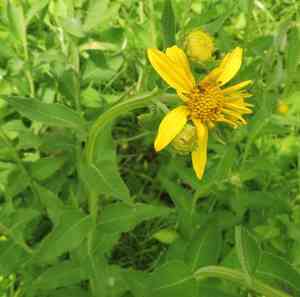
For gravelweed, the ideal period for relocation spans from early spring to mid-spring, since elevated temperatures foster root development. Select a location that receives ample sunlight or partial shade, featuring soil that drains effectively, to guarantee the plant's flourishing.
Essential Preparations Before Relocating Gravelweed
Optimal Timing for Moving Gravelweed?
The best period for relocating gravelweed spans from early to late spring. This timeframe allows the plant to establish its root system prior to the onset of summer heat. Moving it during this window promotes superior root development, enhances survival rates, and encourages vigorous growth. Early spring conditions, being cool and moist, are perfect for minimizing transplant shock and boosting overall plant vitality.
Recommended Spacing Between Gravelweed Plants?
Prior to relocating gravelweed, position each plant 24-36 inches (60-91 cm) apart. This spacing provides ample room for growth and prevents overcrowding. Adequate spacing ensures gravelweed receives sufficient air circulation and nutrients.
Ideal Soil Blend for Gravelweed Relocation?
Prepare well-draining soil, enriched with organic compost, for gravelweed. Incorporating an all-purpose base fertilizer can stimulate initial growth. Assess soil pH, aiming for a slightly acidic to neutral range (pH 6.0-7.0) for peak plant health.
Choosing a New Location for Your Gravelweed?
Gravelweed flourishes in full sun, so select a site that receives at least 6-8 hours of direct sunlight daily. Ensuring ample sunlight encourages robust growth and abundant flowering.
Equipment Needed for Gravelweed Transplantation
Gardening Gloves
To safeguard your hands when handling soil and the plant.
Spade or Shovel
For excavating the plant and preparing its new spot.
Garden Trowel
Useful for more precise digging and planting tasks.
Watering Can or Hose
To hydrate the plant before and after its relocation.
Pruning Shears
For trimming any damaged or excessively long roots.
Compost or Mulch
To enrich the new planting area and aid in moisture retention.
Method for Extracting Gravelweed from the Ground
Method for Extracting Gravelweed from the Ground?
From Ground: First, moisten the soil around the gravelweed plant. Next, dig a wide trench around the plant using a shovel or spade, ensuring the root ball remains intact. Carefully maneuver the spade beneath the root ball to lift the plant from its original position.From Pot: Gently tap the pot's sides to loosen the soil. Tilt the pot slightly and carefully slide the gravelweed plant out, supporting the plant's base and its root ball. If the plant is root-bound, gently separate the roots to encourage them to spread in their new location.From Seedling Tray: Ensure the tray's soil is damp. Use a small garden trowel or your hands to carefully lift the gravelweed seedling by its root ball, taking care not to harm the delicate roots. Handle seedlings by their leaves, not the stem, to minimize damage risk.
Step-by-Step Guide for Relocating Gravelweed
Site Preparation
Prepare the new location by clearing it of weeds and debris. Dig a hole approximately twice the size of the gravelweed plant's root ball.
Planting
Position the gravelweed plant in the center of the hole. Ensure the top of the root ball is level with or slightly above the surrounding soil. Carefully backfill the hole with soil, gently pressing down to remove air pockets.
Initial Watering
Thoroughly water the gravelweed to settle the soil around its roots. This helps reduce transplant shock and encourages root establishment in its new home.
Mulching
Apply a layer of mulch around the base of the gravelweed plant, leaving some space around the stem to prevent rot. Mulch helps retain moisture and regulate soil temperature.
Post-Transplantation Care for Gravelweed
Watering
Maintain consistently moist, but not waterlogged, soil around the gravelweed for the initial weeks after transplanting to promote strong root development.
Monitoring
Regularly inspect the gravelweed plant for signs of stress, such as wilting or yellowing leaves. Adjust watering and check for pests if necessary.
Pruning
Remove any dead or damaged leaves or stems to encourage new growth and alleviate plant stress.
Mulch Maintenance
Replenish mulch as needed to maintain a consistent layer around the plant's base. This aids in moisture conservation and weed control.
Resolving Common Issues with Gravelweed Transplantation.
When is the best time to transplant gravelweed?
Transplant gravelweed ideally from early spring to late spring for optimal outcomes.
How much space should I leave between gravelweed plants?
Space each gravelweed plant 24-36 inches (60-90 cm) apart to ensure healthy development.
What soil type is best for transplanting gravelweed?
Gravelweed prefers well-draining soil rich in organic matter for peak growth.
How deep should I plant gravelweed?
Transplant gravelweed at the same depth it was previously growing to minimize stress.
How do I prepare the soil for transplanting gravelweed?
Loosen the soil and incorporate compost to enhance fertility and drainage before transplanting gravelweed.
Do I need to water gravelweed immediately after transplanting?
Yes, water gravelweed thoroughly right after transplanting to help it settle and establish roots.
Should I prune gravelweed before transplanting?
Lightly prune gravelweed to remove damaged leaves or stems and reduce transplant shock.
How can I protect gravelweed from transplant shock?
Water regularly, provide shade, and avoid disturbing the roots to mitigate transplant shock for gravelweed.
Can I transplant gravelweed in a shady spot?
While gravelweed can tolerate some shade, it thrives best in full sun exposure.
How do I handle gravelweed roots during transplanting?
Handle gravelweed roots gently, keeping the root ball intact to avoid unnecessary damage.



