How to Transplant Chinese globeflower?
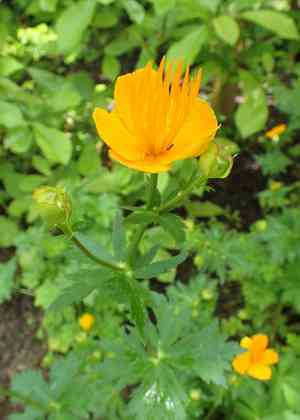
The optimal period for transplanting chinese globeflower is during the earth's resurgence, enabling root establishment before the summer season. Select a location featuring damp, adequately draining soil and partial sunlight. Providing sufficient room fosters robust development. Bear in mind, chinese globeflower flourishes with delicate handling.
What Preparations are Needed Before Transplanting Chinese Globeflower?
What is the Ideal Time for Transplanting Chinese Globeflower?
The start of the growing season, once frost has receded and the ground is workable, offers an optimal period for relocating chinese globeflower. Moving chinese globeflower at this time aids in strong root development before summer's heat. A helpful tip for gardeners: selecting this moment for transplantation ensures chinese globeflower receives the mild temperatures needed for a smooth transition and vigorous growth. Give chinese globeflower a gentle start by transplanting when garden life awakens, guaranteeing a flourishing beginning for your botanical companion.
How Much Space Should You Leave Between Chinese Globeflower Plants?
Begin by arranging your garden area appropriately. You should maintain a distance of approximately 1-2 feet (30.5-61 cm) between each chinese globeflower. This will provide sufficient room for each plant to develop healthily.
What is the Best Soil Mix for Chinese Globeflower Transplanting?
The chinese globeflower prefers soil that is moist and drains well. Enhance it with an equal blend of compost or an organic matter-based fertilizer before planting to create the perfect foundation for your plant.
Where Should You Relocate Your Chinese Globeflower?
Although chinese globeflower can endure partial shade, it thrives best in full sunlight. Aim to place them in a garden spot that receives ample daily sun exposure for optimal growth.
What Equipments Should You Prepare Before Transplantation Chinese Globeflower?
Gardening Gloves
To safeguard your hands while handling the soil and the plant.
Garden Spade or Shovel
Required for digging the original and new sites for chinese globeflower.
Wheelbarrow or Garden Cart
To safely move the plant from its initial spot to the new position.
Hand Pruner
To trim any damaged roots or leaves before and after the transplant.
Garden Hose or Watering Can
Used to adequately water the plant before, during, and after the transplant.
How Do You Remove Chinese Globeflower from the Soil?
How Do You Remove Chinese Globeflower from the Soil?
From Ground: First, water the chinese globeflower plant until the surrounding soil is moist. Then, carefully dig a wide trench around chinese globeflower with your spade or shovel, always being cautious not to harm the root ball. Gradually work the spade beneath the root ball, gently lifting the plant from its original location.From Pot: Start by watering the plant thoroughly. Invert the pot while holding your hand over the soil and supporting chinese globeflower. Gently tap the pot's bottom until the plant slides out. Always handle chinese globeflower by the root ball, not the stems or foliage.From Seedling Tray: Water the tray first, wait a few minutes, then tilt it slightly and gently push the bottom of the chinese globeflower cell. Be careful not to damage delicate roots or stems during this process.
Step-by-Step Guide for Transplanting Chinese Globeflower
Preparation
Prepare the new planting hole before you begin the process. It should be twice the width of the chinese globeflower's root ball and not much deeper than its height.
Removal
Follow the instructions provided above for extracting chinese globeflower from its initial spot.
Transplanting
Position the chinese globeflower in the center of the prepared hole, ensuring it stands upright and the top of the root ball is level with the ground surface. Backfill the hole with soil, gently firming it around the root ball.
Watering
Water chinese globeflower generously immediately after transplanting. This helps settle the soil and eliminates any air pockets around the roots.
How Do You Care For Chinese Globeflower After Transplanting?
Watering Frequency
Keep the soil consistently moist, but not waterlogged, for the initial weeks after transplanting chinese globeflower. This aids in root development.
Pruning
Lightly trim the plant after a few weeks to encourage new growth and shape chinese globeflower.
Monitor
Keep a close watch on chinese globeflower for signs of transplant shock, such as wilting or yellowing leaves, and adjust care as needed.
Mulching
A layer of mulch around chinese globeflower will help retain moisture and shield it from temperature extremes during the delicate post-transplant phase.
Troubleshooting Common Issues with Chinese Globeflower Transplantation.
When should I transplant my chinese globeflower plants?
It's best to transplant chinese globeflower during its preferred season, S1. Proper timing significantly increases the plant's chances of survival and thriving.
What is the correct spacing for chinese globeflower during transplantation?
Ensure each plant is positioned approximately 1-2 feet (30-60 cm) apart. This distance promotes healthy development and prevents overcrowding.
What to do if the transplanted chinese globeflower plants show signs of wilting?
Wilting after transplanting could indicate transplant shock. Keep the soil consistently moist to help the plant recover, but be careful not to overwater.
How deep should I plant a transplanted chinese globeflower?
The hole should be deep enough to fully cover the root ball. Too shallow, and the roots could dry out; too deep might lead to rotting.
What type of soil should I use for transplanting chinese globeflower?
Chinese globeflower prefer well-drained soil, rich in organic matter. If using potted soil, consider adding some compost for an extra nutrient boost.
Why are the leaves of my transplanted chinese globeflower turning yellow?
If the leaves of your chinese globeflower are yellowing, the plant might be experiencing water stress. Ensure the plant receives consistent water but avoid overwatering.
Is it necessary to prune chinese globeflower before transplantation?
Yes, it is beneficial. Pruning helps reduce stress by balancing the root size with the above-ground portion of chinese globeflower. This encourages healthier growth post-transplantation.
What care does chinese globeflower require after transplantation?
Keep the soil evenly moist and protect the plant from harsh weather. Provide a balanced plant food to encourage growth once the plant has settled.
How do I handle root-bound chinese globeflower during transplantation?
Gently loosen the root ball with your fingers. If they are severely tangled, make some vertical cuts. This encourages the roots to spread into their new soil.
Why isn't my chinese globeflower flowering after transplantation?
It's normal for chinese globeflower not to bloom immediately after transplanting. The plant is likely focusing energy on establishing new roots. Be patient and provide proper care.



