How to Transplant Water gum?
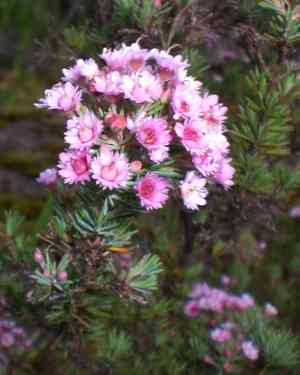
Choose the mild period from late spring into summer for relocating your water gum, as it flourishes in warm earth and extended daylight. Pick a bright location with soil that drains effectively to guarantee a smooth adjustment.
Preparations Required Before Relocating Water Gum?
Optimal Period for Relocating Water Gum?
Moving water gum in late spring allows the plant more time to settle before intense heat, promoting vigorous development. This timing enables water gum to develop a robust root system in mild conditions, crucial for enduring summer challenges. Choose this season for relocation to foster strong health and resilience in your cherished perennial.
Required Spacing Between Water Gum Plants?
Prior to relocating water gum, ensure adequate spacing. They should be positioned 2-3 feet (60-90cm) apart. This provides ample room for root expansion and unhindered growth, preventing competition for nutrients or sunlight.
Ideal Soil Mixture for Water Gum Relocation?
To prepare for relocating water gum, utilize a well-draining, loamy soil. A foundational fertilizer rich in organic matter, such as composted manure or a slow-release granular fertilizer, will supply essential nutrients for sustained healthy growth.
Optimal New Location for Your Water Gum?
Select a site that receives partial to full sunlight for water gum. These light conditions will support healthy plant growth. However, a bit of afternoon shade will not be detrimental!
Equipment Needed Before Relocating Water Gum?
Gardening Gloves
You'll want to safeguard your hands while handling soil and plants.
Garden Shovel
This implement will assist in excavating appropriately sized holes during relocation.
Watering Can
Essential for hydrating the plant throughout the various phases of the relocation process.
Secateurs / Pruning Shears
To trim any damaged roots or branches from the water gum plant before relocation.
Wheelbarrow or Heavy Duty Garden Trolley
For transporting the water gum plant from its original spot to the new planting site, especially if it's a larger, mature specimen.
How to Extract Water Gum from the Soil?
How to Extract Water Gum from the Soil?
From Ground: Begin by thoroughly watering the water gum plant a day before relocation to prepare the roots and minimize transplant shock. Then, using a garden shovel, dig around the plant's base, taking care not to harm the root ball. Dig deep enough to get beneath the plant and lift it with as many roots as possible.From Pot: If the plant is in a container, water it thoroughly. Then, carefully tilt the pot on its side and gently ease the plant out, ensuring the root ball remains intact. If the plant doesn't release easily, tap the pot's sides and bottom to loosen it.From Seedling Tray: If you've cultivated water gum from seeds in a seedling tray, wait until the plant has at least two sets of leaves before relocating. To remove the seedling, gently hold it by its leaves (avoiding the stem) and use a dibber or similar pointed tool to push up the soil and lift out the seedling, preserving as many roots as possible.
Step-by-Step Guide for Relocating Water Gum
Prepare the New Site
Before removing the water gum plant from its current spot, prepare the new planting location. Dig a hole twice as wide as the root ball and nearly as deep, ensuring ample space for root expansion. Avoid digging too deep, as the plant should be positioned at the same depth it was previously grown.
Move the Plant
Transport the water gum plant to its new location. Carefully place it in the center of the hole. Ensure it stands upright and spread out its roots.
Backfill
Gradually fill the hole with soil, gently firming it down as you proceed. The water gum should be level with the surrounding soil. Avoid burying the plant too deeply, which can lead to rot.
Watering
Immediately after relocation, water the plant thoroughly. Water slowly to ensure it reaches the roots and doesn't simply run off.
Post-Relocation Care for Water Gum
Support
For the initial few weeks, water gum will require additional attention as it adjusts to its new environment. Outdoor plants can be staked for support to prevent them from being dislodged or damaged by strong winds.
Protection
Depending on the season, you may need to shield your newly relocated water gum from harsh weather conditions, such as intense sun and drying winds, using shade cloth or windbreaks.
Monitor
Closely observe the plant's health. Transplant shock can manifest as yellowing leaves or wilting. However, with proper care, most plants recover quickly. Continue to water regularly, but ensure you avoid overwatering, as this can negatively impact root health.
Addressing Common Issues with Water Gum Relocation.
When is the optimal time to relocate water gum?
The best period for relocating water gum is during 'S3-S6,' typically from late summer to early winter, when the weather is cooler.
What is the correct spacing between water gum plants during relocation?
To allow water gum ample room to spread, they should be relocated 2-3 feet (60-90 cm) apart. This promotes healthy growth.
What should I do if my relocated water gum appears wilted?
Wilting may indicate water stress. Water lightly but consistently, maintaining moist, not saturated, soil until the plant regains its vigor.
How should I prepare the new site before relocating water gum?
Ensure the new location has well-drained soil, enrich it with organic matter, and thoroughly turn it with a shovel. The hole should be only slightly larger than the water gum's root ball.
How can I minimize shock to water gum during relocation?
Reduce relocation shock by watering the plant well before moving and pruning any excessively long roots. Try to avoid damaging the root ball during planting.
Can I relocate water gum in any soil type?
Water gum prefers slightly acidic, well-drained soil. If your soil is particularly sandy or clayey, consider incorporating organic matter to enhance its texture and nutrient content.
Is it acceptable to prune water gum immediately after relocation?
Avoid extensive pruning right after relocating water gum to prevent additional stress. If necessary, light top pruning is permissible to balance the root-shoot ratio.
What if I observe yellow leaves on my relocated water gum?
Yellow leaves might suggest a nutrient deficiency or overwatering. Ensure the plant is watered as needed and consider applying a slow-release fertilizer to improve nutrient levels.
What can I do if my relocated water gum's growth seems stunted?
Stunted growth could indicate stress or insufficient nutrients. Verify it has good soil, adequate watering, and correct spacing, then monitor for improvements.
Should I fertilize water gum immediately after relocation?
Fertilizing right after relocation can be more detrimental than beneficial. Instead, wait a few weeks for water gum to adapt to its new environment, then use a slow-release fertilizer.



