How to Transplant Suffocating clover?
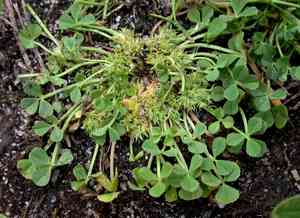
The optimal period for relocating suffocating clover spans from the onset of early spring through the vigorous development of late spring, facilitating strong root development. Select a location featuring soil that drains effectively and receives abundant sunlight. Careful management of the root system will significantly aid suffocating clover.
Necessary Preparations Before Relocating Suffocating Clover?
Optimal Period for Moving Suffocating Clover?
The best time to move suffocating clover is from early spring's onset until summer's approach. Aligning with the season of new growth allows suffocating clover to establish roots before warm weather arrives. This timing is vitalâsuffocating clover's root system will have a chance to strengthen during mild, growth-promoting days. This ensures a firm base for suffocating clover to thrive in your garden, reaching peak health.
Required Spacing Between Suffocating Clover Plants?
Hello, gardener! Before moving your suffocating clover, aim for a comfortable distance of about 4-6 inches (10-15 cm) between each plant. This spacing helps suffocating clover grow without feeling cramped and ensures they receive adequate nutrients and air to flourish.
Best Soil Mixture for Suffocating Clover Relocation?
For your suffocating clover, they will thrive in well-drained soil enriched with organic material. A good balanced starter fertilizer, such as a 10-10-10 (NPK), will give suffocating clover an excellent beginning. Just apply according to package directions before planting.
Where to Replant Your Suffocating Clover?
Sunlight benefits your suffocating clover, so choose a location where they can enjoy full sun to partial shade. An area receiving approximately 4-6 hours of sunlight daily would be ideal. Happy planting!
Equipment Needed Before Transplanting Suffocating Clover?
Shovel or Spade
For digging and moving the suffocating clover.
Watering Can or Hose
To hydrate suffocating clover before and after relocation.
Gardening Gloves
To safeguard your hands while handling soil and plants.
Trowel
To assist with excavating smaller holes or refining the new site.
Garden Fork
To loosen the soil around suffocating clover prior to transplanting.
Wheelbarrow or Garden Cart
For transporting the suffocating clover and soil.
Pruning Shears
For trimming any damaged roots or foliage before moving.
How to Extract Suffocating Clover from the Soil?
How to Extract Suffocating Clover from the Soil?
From Ground: First, water the suffocating clover to moisten the soil. Then, dig a wide trench around the plant using a shovel or spade, ensuring the plant's root ball remains intact. Carefully work the spade under the root ball to lift the plant from its original spot.From Pot: Begin by watering the suffocating clover to facilitate removal. Tilt the pot sideways and gently tap the bottom to loosen the soil and root mass. Slide the plant out while supporting the stem's base. If stuck, roll the pot on the ground with gentle pressure to separate the soil from the pot.From Seedling Tray: Water the suffocating clover seedlings to ensure moist soil, making removal easier. Use a trowel or your fingers to gently loosen the soil around each seedling. Carefully lift the seedling by its leaves, not the stem, to prevent damage, ensuring a good amount of roots and soil accompany the plant.
Step-by-Step Guide for Relocating Suffocating Clover
Spacing
Ensure adequate spacing by considering the mature size of suffocating clover to prevent overcrowding.
Digging Hole
Excavate a hole large enough to accommodate the root ball of suffocating clover. The hole should be twice as wide and equally deep as the root ball.
Preparing the Root Ball
Examine the root ball of suffocating clover. Gently untangle any circling roots to encourage them to spread into the surrounding soil.
Placing suffocating clover
Position suffocating clover in the center of the hole. The top of the root ball should be level with the ground surface.
Backfilling
Carefully refill the hole with soil around suffocating clover, and gently firm down the soil to eliminate air pockets without excessive compaction.
Watering
After transplanting, thoroughly water suffocating clover to settle the soil around its roots.
Support If Necessary
Add any required supports for suffocating clover at this stage, such as stakes, to help it stay upright while its roots establish.
How to Care for Suffocating Clover After Relocation?
Initial Watering Schedule
Water suffocating clover generously immediately after transplanting and maintain consistent soil moisture for the first few weeks.
Monitoring
Observe suffocating clover for signs of transplant shock, such as wilting or yellowing, and take appropriate measures like adjusting watering or providing shade.
Mulching
Apply a layer of mulch around suffocating clover to help retain soil moisture and regulate soil temperature.
Pruning
Trim away any dead or damaged foliage to help suffocating clover direct its energy towards root establishment.
Addressing Common Issues with Suffocating Clover Transplantation.
When is the best time to move suffocating clover for successful growth?
The ideal period for relocating suffocating clover extends from the onset of early spring to the richness of late spring.
How much space should I leave between suffocating clover when transplanting?
Allow a generous distance of 4-6 inches (10-15 cm) between each suffocating clover to ensure ample room for growth.
Why are my relocated suffocating clover wilting after transplant?
Wilting may indicate transplant shock. Provide consistent moisture and shade to aid recovery.
How do I prepare the soil for suffocating clover before transplanting?
Enrich the soil with organic matter and ensure good drainage to welcome suffocating clover.
Can I transplant suffocating clover during the summer?
Moving suffocating clover in summer can stress the plant; it's best to wait for the recommended spring window.
What's the ideal depth for transplanting suffocating clover?
Dig a home for suffocating clover only as deep as its root ball, but twice as wide for root expansion.
How much should I water suffocating clover after transplanting?
Initial deep watering is crucial, then transition to a routine that keeps the soil moist but not waterlogged.
Should I fertilize suffocating clover after transplanting?
Delay fertilization until suffocating clover has established. Later, a balanced feed can be applied sparingly.
How do I protect suffocating clover from transplant stress?
Acclimate suffocating clover gradually before transplanting and initially shield it from harsh sun or winds.
Why are suffocating clover leaves turning yellow after transplant?
Possible causes include overwatering, poor drainage, or nutrient deficiency. Assess and adjust care accordingly.



