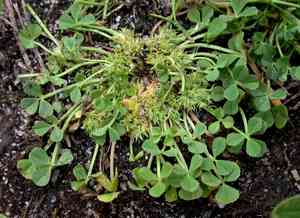
Suffocating clover (Trifolium suffocatum)
Also known as: Suffocating clover
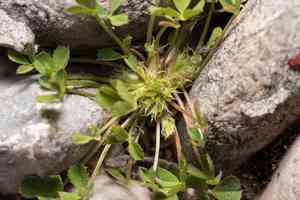
Suffocating clover (Trifolium suffocatum) gets its genus name "Trifolium" from the characteristic three-part leaves typical of clover plants. The term "trifolium" literally means "three-leaved" in Latin. This coastal species has not been recorded growing inland in the United Kingdom since 1930. Its low growth and inconspicuous flowers make it a challenge to identify.
In This Article
Attributes of Suffocating clover
Lifespan
Perennial
Plant Type
Herb
Plant Height
Up to 10 cm (4 inches)
Spread
Typically forms a mat up to 30 cm (12 inches) wide
Leaf Color
Green
Flower Size
Approximately 0.5 cm (0.2 inches)
Flower Color
White to yellowish
Images of Suffocating clover
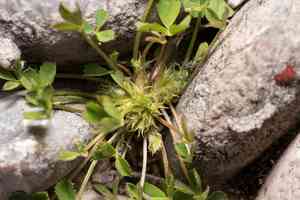
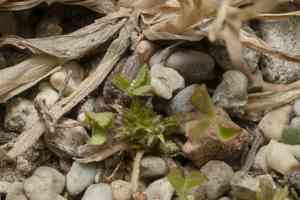
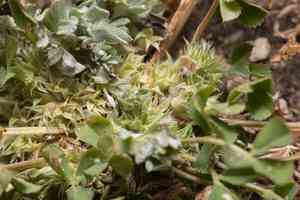
Quickly Identify Suffocating clover
1
Look for the plant\'s small, trifoliate leaves, which are characteristic of clovers. The leaves are typically green and may have a slightly hairy texture. The flowers are small, generally white to yellowish in color, and form in dense heads.
Scientific Classification of Suffocating clover
Phylum
Vascular plants
Class
Dicotyledons
Order
Fabales
Family
Legume
Genus
Clovers
Species
Suffocating clover
Planting and Growing of Suffocating clover
Care Difficulty
Easy
Watering Schedule
Every 2 days
Sunlight Requirements
Full sun
Sunshine Duration
4-8 hours
Ideal Temperature
60-75℉
Soil Type
Potting Mix, Peat Mix
Soil pH
6.5-7.5
Fertilizer Type
Balanced
Pruning Season
Spring, Summer
Pruning Area
Branches, Leaves
Pruning Frequency
2 times a year
Repotting Season
Spring
Pot Type
Plastic, Ceramic
 How to Water Suffocating clover?
For Trifolium suffocatum, it is essential to water thoroughly but sparingly. Aim to use around 500 ml of water per session, ensuring the soil is moist but not waterlogged. Let the top few inches of soil dry out between watering sessions to prevent root rot.
What are the symptoms of an underwatered Suffocating clover?
›
What should I do if my Suffocating clover is not getting enough water?
›
What are the symptoms of an overwatered Suffocating clover?
›
How to save an overwatered Suffocating clover?
›
 What Are the Sunlight Requirements for Suffocating clover?
Trifolium suffocatum ideally benefits from full sun exposure, which maximizes its growth potential. Full sun promotes vigorous photosynthesis, leading to lush growth and strong root systems.
More About Sunlight Requirements Techniques→
What is the best lighting condition for Trifolium suffocatum?
›
What solutions are available to achieve ideal lighting for Trifolium suffocatum?
›
What benefits does Trifolium suffocatum receive from ideal lighting?
›
 What Is the Ideal Temperature Range for Suffocating clover?
The ideal temperature range for growing Trifolium suffocatum is between 60°F and 75°F. This range provides optimal conditions for metabolic processes and photosynthesis, allowing the plant to grow healthily and develop a strong structure. Ensuring consistent temperatures within this range will minimize stress and maximize growth potential.
 What Soil is Best for Suffocating clover?
Trifolium suffocatum thrives in well-drained soil. Poor drainage can lead to root diseases that stunt the growth of the plant. Ensuring good drainage allows for optimal water and oxygen movement around the roots. This plant benefits from soils rich in essential nutrients, particularly nitrogen, which encourages healthy foliage and robust growth. Fertile soils promote quicker recovery and denser plant coverage. While the plant does not need overly rich soil, moderate fertility levels can support healthy growth. Balancing nutrient levels helps to prevent deficiencies and promotes vigorous development.
 How to Fertilize Suffocating clover?
For Trifolium suffocatum, it's essential to use a balanced organic fertilizer. Use about 10 grams per plant when using granular fertilizers. If using liquid formulations, a concentration of 1 teaspoon per gallon of water is advisable. Avoid heavy doses as this plant is sensitive to excess nutrients.
 How to Prune Suffocating clover?
Start by identifying any dead, diseased, or overly long stems. These should be removed first to encourage new growth and prevent the spread of disease. Carefully trim back each stem by about a third. This encourages bushier growth and helps manage the plant’s overall appearance. Always cut just above a leaf node or bud to promote healthier regrowth. As you prune, consider the overall shape you want the plant to have. Trifolium suffocatum can be shaped nicely into a compact mound, perfect for garden aesthetics or container planting.
More About Pruning Techniques→
 How to Propagate Suffocating clover plant?
1
Begin by selecting quality seeds from a reputable supplier. The choice of seeds impacts the plant's future health and growth, so ensure that they are free from any visible defects.
2
Prepare a well-draining soil mix in seed trays. Ensure the soil is slightly moist before sowing the seeds, which will aid in quicker germination and healthier initial growth.
3
Sow the seeds evenly across the prepared seed tray. After sowing, lightly cover the seeds with a thin layer of soil or vermiculite to maintain moisture and provide a conducive environment for growth.
 How to Repot Suffocating clover plant?
1
Trifolium suffocatum needs repotting when you observe roots emerging from the pot’s drainage holes or when growth becomes stagnant. Spring is ideal, as the plant is entering its active growth phase, allowing it to adjust and flourish in its new environment.
2
Select a pot that is slightly larger than the current one, with ample drainage holes. This ensures adequate space for the roots to grow and prevents waterlogging, which is crucial for avoiding root rot and promoting healthy plant development.
3
Opt for a well-draining sandy soil mix to provide optimal aeration and drainage. This soil type promotes healthy root growth, minimizes the risk of overwatering, and mimics the plant’s natural habitat, ensuring long-term vitality.



