How to Transplant Running buffalo clover?
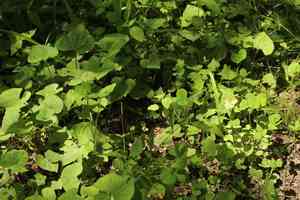
Running buffalo clover flourishes when relocated from the start of warmer weather in early to late spring, owing to ideal soil hydration. Select a partially shaded spot with soil that drains effectively. Handle with care to safeguard its fragile runners and root system.
What Preparations are Needed Before Transplanting Running Buffalo Clover?
What is the Ideal Time for Transplanting Running Buffalo Clover?
Running buffalo clover, being a perennial, flourishes most effectively when moved during the optimal period of early to late spring. At this time, the ground is damp from winter's end, which aids root establishment and development. Relocating it in this season allows running buffalo clover to fully benefit from the upcoming growth cycle, boosting its overall health and vigor.
How Much Space Should You Leave Between Running Buffalo Clover Plants?
Ensure a separation of 12-18 inches (30-45 centimeters) between running buffalo clover plants. This spacing provides ample room for each plant to develop and helps prevent overcrowding, fostering healthier growth.
What is the Best Soil Mix for Running Buffalo Clover Transplanting?
For running buffalo clover, utilize well-draining soil rich in organic matter. Amending the soil with compost or a balanced general-purpose fertilizer like 10-10-10 (N-P-K) can create an optimal growing environment.
Where Should You Relocate Your Running Buffalo Clover?
Running buffalo clover thrives in partial shade, so seek out a location that receives filtered sunlight throughout the day. Steer clear of areas with intense sun exposure or complete darkness to ensure optimal development.
What Equipments Should You Prepare Before Transplantation Running Buffalo Clover?
Gardening Gloves
To safeguard your hands while handling soil and plants.
Shovel or Spade
For excavating the plant and preparing the new planting site.
Hand Trowel
For more precise digging tasks and adjusting the planting hole.
Bucket or Wheelbarrow
To easily move the plant and soil.
Watering Can or Hose
For hydrating the plant before and after relocation.
Mulch
To assist in moisture retention and weed suppression in the transplanted area.
How Do You Remove Running Buffalo Clover from the Soil?
How Do You Remove Running Buffalo Clover from the Soil?
From Ground: First, irrigate the running buffalo clover plant to moisten the soil. Next, excavate a wide trench around the plant using a shovel or spade, ensuring the plant's root ball remains intact. Carefully work the spade beneath the root ball to lift the plant from its original spot.From Pot: Gently tilt the pot onto its side and tap the base to loosen the plant. Carefully slide the plant out, supporting the stems as you do so. If the plant is root-bound, gently separate the roots before transplanting.From Seedling Tray: Use a hand trowel to carefully lift the seedlings from the tray, taking care not to harm the roots. Hold the seedlings by their leaves rather than their stems to avoid crushing them.
Step-by-Step Guide for Transplanting Running Buffalo Clover
Site Preparation
Prepare the new planting location by digging a hole that is twice as wide and equally as deep as the root ball of your running buffalo clover plant. Ensure the soil is well-aerated and free of large clumps or stones.
Watering
Thoroughly water the running buffalo clover plant before transplanting to lessen stress and simplify the removal process.
Transplanting
Carefully position the running buffalo clover plant into the prepared hole, making sure the top of the root ball is level with the surrounding soil. Backfill the hole with soil, gently pressing it down to eliminate air pockets.
Mulching
Apply a layer of mulch around the base of the plant to help retain moisture and deter weeds. Ensure the mulch does not touch the stems to prevent rot.
How Do You Care For Running Buffalo Clover After Transplanting?
Watering
Maintain consistent moisture in the soil around the running buffalo clover, avoiding saturation, for the initial few weeks post-transplant to encourage strong root development.
Monitoring
Regularly inspect the plant for indications of stress, such as wilting or yellowing foliage, and adjust care as necessary.
Protection
Consider utilizing a garden net or barrier to safeguard the newly transplanted running buffalo clover from pests and animals.
Troubleshooting Common Issues with Running Buffalo Clover Transplantation.
When should I transplant running buffalo clover?
Relocate running buffalo clover from early to late spring for the highest likelihood of success.
How should I prepare the soil for running buffalo clover?
Ensure well-drained soil, enriched with organic matter, and a pH between 6.0-7.0.
What spacing should I maintain for running buffalo clover?
Space running buffalo clover plants 12-18 inches (30-46 cm) apart to allow for proper growth.
How deep should I plant running buffalo clover?
Plant running buffalo clover at the same depth it was previously growing to avoid stress.
How do I water running buffalo clover after transplanting?
Water thoroughly after transplanting, keeping the soil consistently moist but not waterlogged.
What kind of light does running buffalo clover need?
Provide full to partial sunlight for running buffalo clover to thrive and establish well.
Which temperature range is ideal for transplanting running buffalo clover?
Transplant running buffalo clover when temperatures are between 50-70°F (10-21°C) for optimal growth.
How do I avoid transplant shock for running buffalo clover?
Minimize root disturbance and transplant on cool, overcast days to reduce stress.
Can I fertilize running buffalo clover during transplanting?
Avoid fertilizing immediately during transplanting. Wait until the plant shows new growth.
What should I do if running buffalo clover wilts after transplanting?
Ensure proper watering, little disturbance, and shade if necessary to help it recover.



