How to Transplant Sea clover?
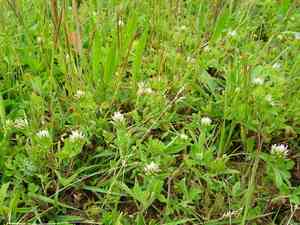
The optimal period for relocating sea clover extends from the onset of early spring's thaw until the brink of summer's heat, facilitating root development. Select a location that receives abundant sunlight and possesses soil with good drainage. Careful manipulation throughout the procedure contributes to effective adaptation.
Essential Preparations Before Relocating Sea Clover
Optimal Period for Relocating Sea Clover?
The prime window for transplanting sea clover spans from early spring's awakening through its peak blooming season. This timeframe provides an ideal mix of gentle temperatures and increasing daylight, crucial for sea clover's root establishment and subsequent growth. Relocating during this period guarantees sea clover ample opportunity to adapt and flourish prior to the summer's intense heat. Adhering to this schedule offers sea clover a favorable beginning, paving the way for vigorous development and a rich presence in your garden.
Required Spacing Between Sea Clover Plants?
Hello, aspiring gardener! Before settling sea clover into its new spot, plan to allocate roughly 8-10 inches (20-25 cm) of room for each seedling. This generous spacing is vital for its development, ensuring every sea clover has sufficient area to thrive!
Preferred Soil Blend for Sea Clover Relocation?
To prepare the ground for sea clover, aim for soil that drains well and is rich in organic matter. A beneficial addition would be to incorporate a balanced, slow-release fertilizer before planting. This will supply your sea clover with the necessary nutrients for robust growth!
Recommended Location for Your Sea Clover?
Sunlight is a great ally to sea clover, so select a site where it can soak up full sun for most of the day. This bright location will aid sea clover in developing strongly and producing the lovely foliage and blossoms it's known for!
Tools Required for Sea Clover Transplantation
Gardening Gloves
To safeguard your hands while handling soil and plants.
Trowel or Spade
For digging and moving the sea clover with minimal root disturbance.
Watering Can or Hose
To hydrate the sea clover both before and after its relocation.
Pruning Shears
For trimming any dead or excess growth to encourage healthy development.
Wheelbarrow or Garden Cart
To transport the sea clover and any soil or compost amendments.
Measuring Tape
To assist in correctly spacing multiple sea clovers from one another.
Method for Extracting Sea Clover from its Current Location?
Method for Extracting Sea Clover from its Current Location?
From Ground: Moisten the soil around the sea clover to make it easier to manage. Carefully use a trowel or spade to dig around the plant, then slide the tool beneath the root ball to lift it, being careful not to harm the roots.From Pot: Tip the pot sideways and gently tap the bottom to help dislodge the sea clover. Support the plant by its base and slowly pull it out, avoiding any harsh tugging.From Seedling Tray: Water the tray to moisten the soil before removal. Use a trowel to gently lift the seedling by scooping under the root ball, ensuring you support both the plant and the soil.
Detailed Steps for Transplanting Sea Clover
Preparing the New Site
Excavate a hole in the ground that is twice the width and equivalent in depth to the sea clover's root ball.
Root Inspection
Gently examine the root ball for any constricted or circling roots and carefully untangle them without causing significant harm.
Placement in Ground
Carefully position the sea clover into the hole, ensuring it rests at the same level it was previously growing.
Soil Backfill
Refill the hole with soil, gently firming it around the base of the sea clover to eliminate air pockets.
Watering
Thoroughly water the sea clover to settle the soil and provide essential moisture for the roots.
Initial Support
If the sea clover is tall or in a windy area, gently stake it to provide stability while it becomes established.
Post-Transplantation Care for Sea Clover
Mulching
Apply a layer of organic mulch around the base of the sea clover to help retain soil moisture and regulate temperature.
Monitoring
Check the plant daily for signs of water stress and adjust watering as needed, especially in the initial weeks.
Staking
Inspect any stakes or supports for tightness, and adjust to prevent damage as the sea clover grows.
Pruning
Trim away any dead or damaged growth to promote healthy development and to shape the sea clover if necessary.
Resolving Common Issues with Sea Clover Transplantation.
What is the recommended spacing for sea clover during transplanting?
For optimal growth, space sea clover approximately 8-10 inches (20-25 cm) apart.
When is the best time to relocate sea clover?
Transplanting sea clover is ideal from early to late spring after the last frost.
What action should I take if sea clover wilts after relocation?
Ensure sea clover receives adequate water and shade. Verify the soil is neither too dry nor waterlogged.
How deep should the sea clover's root ball be planted?
Plant the sea clover's root ball so it is level with the surrounding soil surface.
Is it advisable to transplant sea clover on a hot day?
It's best to transplant sea clover on an overcast day or in the evening to minimize stress.
Should I enrich the soil when transplanting sea clover?
Yes, incorporating organic compost can improve the soil and support sea clover's growth.
Why are sea clover leaves turning yellow after transplant?
This could indicate overwatering, underwatering, or shock. Closely monitor watering and soil moisture levels.
How can I prevent transplant shock in sea clover?
Water thoroughly after transplanting and consider using a root stimulator to reduce shock.
What kind of sunlight is best for sea clover after transplanting?
Position sea clover in a location with full sun to partial shade for optimal development.
How soon after transplanting sea clover can I apply fertilizer?
Wait 2-4 weeks before fertilizing to allow sea clover to settle and avoid root burn.



