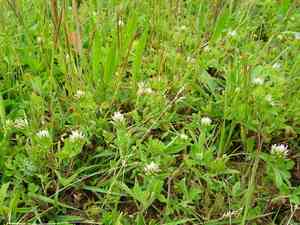
Sea clover (Trifolium squamosum)
Also known as: Sea Clover, Scaly Clover
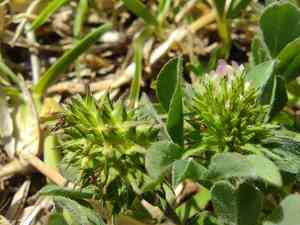
Sea clover, an annual herbaceous plant, becomes highly vulnerable to pests, insects, and diseases when grown in poorly drained or waterlogged soils. This creeping plant is generally not found inland. Its flowers grow in tight clusters and do not open widely.
In This Article
Attributes of Sea clover
Lifespan
Annual
Plant Type
Herb
Plant Height
30 cm
Spread
Up to 20 cm
Leaf Color
Green Blue
Flower Size
1 cm to 2 cm
Flower Color
White Purple
Images of Sea clover
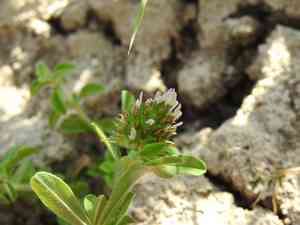
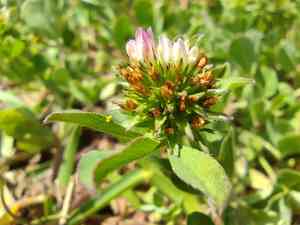
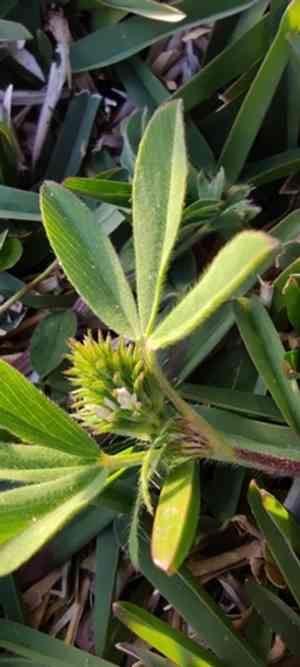
Quickly Identify Sea clover
1
To identify Trifolium squamosum, look for its unique scaly stipules and elongated, cylindrical flower heads. The leaves are trifoliate with finely toothed margins. The flowers are arranged in dense, globular clusters.
Scientific Classification of Sea clover
Phylum
Vascular plants
Class
Dicotyledons
Order
Fabales
Family
Legume
Genus
Clovers
Species
Sea clover
Planting and Growing of Sea clover
Care Difficulty
Moderate
Watering Schedule
Every 3 days
Sunlight Requirements
Full sun
Sunshine Duration
6-10 hours
Ideal Temperature
60-75℉
Soil Type
Potting Mix, Peat Mix
Soil pH
6.5-7.5
Fertilizer Type
Balanced
Pruning Season
Spring, Summer
Pruning Area
Branches, Leaves
Pruning Frequency
2 times a year
Repotting Season
Spring
Pot Type
Plastic, Ceramic
 How to Water Sea clover?
When watering Trifolium squamosum, aim for approximately 300 ml each time. The soil should be moistened evenly, but avoid soaking it completely. Water until it begins to seep out of the bottom of the pot or lightly saturate the first few inches of soil if planted outdoors, ensuring a consistent moisture level without causing waterlogging.
What are the symptoms of an underwatered Sea clover?
›
What should I do if my Sea clover is not getting enough water?
›
What are the symptoms of an overwatered Sea clover?
›
How to save an overwatered Sea clover?
›
 What Are the Sunlight Requirements for Sea clover?
Trifolium squamosum prefers conditions ranging from full to partial sun. This ideal range means, for half a day, the plant is immersed in sunlight, allowing it to perform photosynthesis efficiently. Proper lighting enhances its growth vigor and flowering capacity.
More About Sunlight Requirements Techniques→
What is the best location for Trifolium squamosum?
›
How can I adjust my garden for this plant's lighting needs?
›
What are the benefits of ideal lighting for Trifolium squamosum?
›
 What Is the Ideal Temperature Range for Sea clover?
The ideal temperature range for Trifolium squamosum growth is between 60°F to 75°F. Maintaining temperatures within this range ensures optimal photosynthesis, nutrient absorption, and metabolic processes. This range mimics the natural conditions of Trifolium squamosum's native habitat, allowing it to thrive. Consistency within this range minimizes stress and promotes healthy growth.
 What Soil is Best for Sea clover?
Trifolium squamosum thrives in soil with excellent drainage. This avoids water logging and root rot, promoting healthy root systems and vigorous growth. A nutrient-rich loamy soil enables Trifolium squamosum to access essential nutrients, resulting in lush foliage and optimal flowering. Regular organic matter addition enhances soil fertility. Maintaining soil pH between 6.5 and 7.5 ensures optimal nutrient availability for Trifolium squamosum, minimizing nutrient deficiencies and fostering robust plant health.
 How to Fertilize Sea clover?
For Trifolium squamosum, it is important to apply fertilizers sparingly. Use about half a teaspoon of liquid fertilizer for every gallon of water. For slow-release granules, use about one tablespoon for every square foot of growing area. These amounts ensure the plant receives nutrients without risking over-fertilization.
 How to Prune Sea clover?
Start by observing the plant's natural shape, envisioning your desired outcome. Removing excess growth intelligently will help maintain or enhance this shape. Trim branches strategically to open up the center of the plant, promoting better air circulation. This technique helps keep the foliage dry and minimizes fungal infections. When making cuts, do so at a 45-degree angle close to a node. This ensures that water does not sit on the cut surface, reducing the risk of rot and promoting faster healing.
More About Pruning Techniques→
 How to Propagate Sea clover plant?
1
Choose ripe seeds from the healthiest parent plants. Ensure the seeds are free from signs of disease or damage to promote a healthy start for young plants.
2
Use a well-draining soil mix with equal parts of peat moss and perlite. This combination ensures good aeration and moisture, which are critical for seed germination and rooting cuttings.
3
Plant seeds at a shallow depth, about twice the size of the seed. Firm the soil gently and water lightly, ensuring the soil remains moist but not waterlogged.
 How to Repot Sea clover plant?
1
Look for signs such as roots protruding from drainage holes or the plant appearing root-bound in its current pot. The most suitable time for repotting is in spring or summer, as this is when the plant is actively growing and can adjust better to its new environment.
2
Select a pot that is one size larger than the current one, with ample drainage holes. This ensures that the plant has enough space to grow while preventing waterlogging, which can lead to root rot. A pot that is too large could also hold too much moisture, posing a risk to the roots.
3
Opt for a well-draining loamy soil mix that retains some moisture but not excessive. This balance facilitates root aeration and prevents root rot, crucial for the health of Trifolium squamosum. Such a soil mix supports healthy growth and allows the plant to establish roots more effectively in its new pot.



