How to Transplant Purple heart?
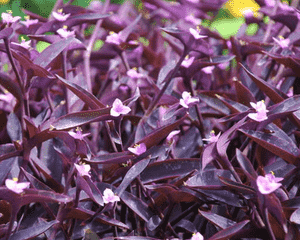
The optimal period for relocating purple heart is from mid-spring through late spring, or mid-autumn through late autumn, as these intervals are conducive to the plant's flourishing. Select a site featuring soil that drains effectively and receives partial sunlight to guarantee a successful relocation. Maintain consistent moisture levels for your purple heart throughout its adjustment phase.
What Preparations are Necessary Before Relocating Purple Heart?
When is the Best Time to Move Purple Heart?
Optimal transplanting for purple heart occurs from mid-spring to late-spring, or mid-fall to late-fall. This timing allows the plant to establish itself in moderate temperatures, promoting strong development and vibrant coloration. Additionally, these seasons offer a pleasant gardening experience.
What Spacing is Recommended Between Purple Heart Plants?
When transplanting your purple heart, ensure a distance of approximately 1-2 feet (30-60 cm) between each specimen. This provides ample room for their growth and flourishing.
What is the Optimal Soil Blend for Purple Heart Transplantation?
Prepare a soil mixture for your purple heart that drains effectively, ideally with a pH ranging from slightly acidic to neutral. Incorporate a general-purpose, slow-release granular fertilizer to give the plant a strong start.
Where Should You Replant Your Purple Heart?
Select a site for your purple heart that receives a minimum of 6 hours of direct sunlight daily. While they can endure some shade, bright light enhances their vivid purple hues.
What Equipment Should You Gather Before Transplanting Purple Heart?
Gardening Gloves
To safeguard your hands while handling soil and plants.
Garden Spade or Shovel
For excavating holes and trenches during transplantation.
Trowel
Used for precise digging and moving small plants in pots or trays.
Pruner
To trim any damaged or dead roots before transplanting.
Watering Can or Hose
For moistening the soil before and after the transplanting process.
Organic Compost or Fertilizer
To enrich soil quality and supply nutrients to your purple heart.
Mulch
To aid in moisture retention and inhibit weed growth.
How Do You Extract Purple Heart from the Ground?
How Do You Extract Purple Heart from the Ground?
- From Ground: First, hydrate the purple heart plant to moisten the soil. Next, excavate a wide trench around the plant using a spade or shovel, ensuring the root ball remains intact. Carefully maneuver the spade beneath the root ball to lift the plant from its original spot.- From Pot: Begin by watering the purple heart to dampen the soil. Gently tilt the pot sideways and tap its base to dislodge the plant from the container. Grasp the plant's base and carefully ease it out, taking care not to harm the roots.- From Seedling Tray: Water the purple heart seedling prior to transplanting. Use a trowel to gently loosen the soil around the seedling, then carefully lift it by its base, retaining as much soil around the roots as possible.
Step-by-Step Guide for Relocating Purple Heart
Prepare the Soil
Loosen and prepare the soil in the chosen location, adding organic compost to improve its quality and nutrient content.
Dig a Hole
Using a shovel or trowel, excavate a hole as deep as the purple heart's root ball and twice its width.
Position the Plant
Gently place the purple heart into the hole, ensuring its roots are spread out.
Backfill the Hole
Refill the hole with soil, gently pressing it around the plant's base to eliminate air pockets.
Water Thoroughly
Deeply water the purple heart to settle the soil and help the roots establish in their new spot.
Mulch
Apply a layer of mulch around the purple heart to help maintain soil moisture and prevent weed growth.
How Do You Care For Purple Heart After Relocation?
Watering
Maintain consistent soil moisture, but avoid excessive watering to prevent root rot during the initial weeks post-transplant.
Pruning
Remove any damaged or dead foliage, stems, or roots to encourage healthy development.
Monitoring
Observe the purple heart for indications of pests, diseases, or transplant shock, and address issues promptly.
Fertilization
Wait several weeks after transplanting before applying a slow-release fertilizer to support robust, healthy growth.
Protection
Shield the purple heart from harsh weather conditions such as intense sun, heavy rain, or frost to prevent damage.
Troubleshooting Common Issues with Purple Heart Relocation.
What is the ideal season to move purple heart?
Transplant purple heart during mid-spring to late-spring or mid-fall to late-fall for optimal outcomes.
How much space should I allow between purple heart plants?
Maintain a distance of 1-2 feet (30-60 cm) between each purple heart plant for best growth.
How deep should I dig for planting purple heart?
Excavate a hole approximately 10 inches (25 cm) deep to comfortably accommodate purple heart's roots.
Is it necessary to water purple heart just before transplanting?
Yes, water purple heart thoroughly before transplanting to keep the rootball moist and reduce stress.
What type of soil is best for relocating purple heart?
Purple heart thrives in well-draining, loamy soil with a pH level that is neutral to slightly acidic.
How much sunlight does purple heart require after transplanting?
Position purple heart in a location with full sun to partial shade for at least 6-8 hours daily.
How soon should I fertilize purple heart after transplanting?
Wait two weeks after transplanting, then apply a balanced slow-release fertilizer to promote growth.
Should I add mulch after transplanting purple heart?
Yes, applying 2-3 inches (5-8 cm) of organic mulch helps retain moisture and suppress weeds.
How often should I water purple heart after transplanting?
Water purple heart regularly, keeping the soil consistently moist, but avoid overwatering to prevent root rot.
Can I transplant purple heart if it's already blooming?
Yes, moving purple heart while it's flowering is possible, but ensure minimal disturbance to the root system.



