How to Transplant Mother of thyme?
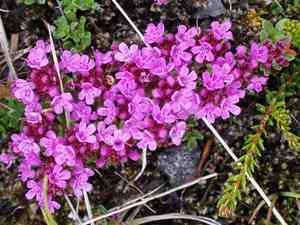
Relocate mother of thyme during the onset of spring, when moderate warmth encourages root development. Select a bright location featuring soil that drains effectively. Gently place mother of thyme into its new position, ensuring minimal disruption to its root system for optimal outcomes.
Essential Preparations Before Relocating Mother Of Thyme
Optimal Timing for Transplanting Mother Of Thyme?
The best time to move mother of thyme is during the gentle onset of early to mid-spring. This period offers ideal moderate temperatures and soil conditions for mother of thyme to establish roots in its new spot, avoiding the stress of intense summer heat or winter cold. Transplanting mother of thyme in this season aligns with its natural growth cycle, ensuring a smoother transition and robust development. Furthermore, consistent spring moisture aids root establishment, making it a truly suitable time to give your mother of thyme a fresh start.
Required Spacing Between Mother Of Thyme Plants?
It's excellent that you're preparing to move your mother of thyme! Adequate spacing is crucial for each plant to thrive. Aim for a distance of approximately 6-8 inches (15-20 cm) between plants. This separation will provide ample room for growth.
Ideal Soil Mixture for Mother Of Thyme Transplanting?
Mother of thyme flourishes in well-draining, sandy or gravelly soil. Amend your soil by incorporating a base layer of compost as a natural nutrient source. This will enrich the soil and provide your mother of thyme with an excellent beginning.
Optimal Location for Relocating Your Mother Of Thyme?
The correct placement makes a significant impact! Mother of thyme requires abundant sunlight. Choose a spot in your garden or on your balcony that receives full sun exposure. This will supply your mother of thyme with the energy needed to grow and thrive.
Tools to Prepare Before Transplanting Mother Of Thyme
Gardening Gloves
These are vital for protecting your hands while handling soil and plants.
Trowel
Helps to carefully excavate the mother of thyme without harming its roots.
Spade or Shovel
Useful for preparing the new planting site.
Watering Can
To hydrate the mother of thyme both before and after relocation.
Wheelbarrow
For transporting the mother of thyme from its original spot to the new one, if necessary.
Garden Shears
Used to trim any dead or damaged parts of the mother of thyme.
Gardening Fork
Helpful for loosening the soil around the roots if the plant is being moved from the ground.
How to Extract Mother Of Thyme from the Soil?
How to Extract Mother Of Thyme from the Soil?
From Ground: Begin by watering the mother of thyme to moisten the surrounding soil. Using your spade or shovel, gently dig a trench around the plant, maintaining a safe distance from the base to prevent root damage. Gradually work your spade or fork beneath the root ball. Exercise caution when lifting the plant to avoid harming its root system.From Pot: Water the mother of thyme thoroughly before transplanting. Turn the pot on its side and carefully slide the plant out, ensuring the root ball remains intact. If needed, tap the sides of the pot to loosen the soil and roots.From Seedling Tray: Ensure the mother of thyme seedlings are well-watered before removal. Carefully lift the seedling using a narrow trowel or your fingers, taking the entire root system without breakage. Handle the seedling by its leaves rather than stems to prevent damage.
Step-by-Step Guide for Transplanting Mother Of Thyme
Preparation
Start by watering the mother of thyme in its current location to facilitate removal.
Holding
Gently grasp the plant at its base, near the roots, to prevent injury.
Ground Preparation
Dig a hole in the new spot, ensuring it's deep and wide enough to comfortably accommodate the mother of thyme's root system.
Placement
Carefully position the mother of thyme in the hole. The plant's uppermost roots should be lightly covered by soil.
Soil Backfill
Refill the hole with enriched soil, making sure no air pockets remain around the roots.
Watering
Water the mother of thyme immediately after transplanting. Ensure the water penetrates deeply to reach all roots.
Post-Transplant Care for Mother Of Thyme
Watering
Keep the soil around the mother of thyme consistently damp but avoid waterlogging. Watering frequency will depend on your local climate and soil type.
Pruning
Trim any dead or damaged parts of the mother of thyme to allow it to focus energy on developing strong roots.
Protection
Shield the newly transplanted mother of thyme from harsh weather and pests. Cover it during frost, and consider using a natural pest control method to deter harmful insects.
Monitoring
Regularly observe the plant's health. Any wilting or yellowing leaves might indicate transplant shock.
Resolving Common Issues with Mother Of Thyme Transplantation.
What is the preferred season to transplant mother of thyme?
The ideal season to transplant mother of thyme is during S1-S2, when conditions are favorable for its growth.
What distance apart should mother of thyme be planted?
For optimal growth of mother of thyme, maintain a spacing of approximately 6-8 inches (15-20 cm) between each plant in the garden bed.
What should I do if mother of thyme starts wilting after transplanting?
Wilting may suggest the mother of thyme isn't receiving enough water. Water it regularly, but ensure the soil isn't saturated, as excessive water can also harm the plant.
Why are my mother of thyme stalks thin and spindly after transplanting?
Remember, providing ample sunlight is crucial for mother of thyme. Thin, elongated growth often indicates insufficient sunlight. Consider relocating the plant to a sunnier spot.
How deep should I plant mother of thyme when transplanting?
Plant mother of thyme so the top of the root ball is level with or slightly above the soil surface. This helps prevent root rot and aids quicker establishment.
Can mother of thyme be transplanted during blooming season?
It's advisable to transplant mother of thyme during S1-S2, ideally before its flowering cycle begins. This allows the plant to settle before expending energy on blooms.
How should I prepare the soil before transplanting mother of thyme?
Loosen the soil and remove any weeds. Ensure the soil drains well, as mother of thyme prefers well-draining conditions. Additionally, incorporate organic compost for added nutrients.
What to do if the leaves of mother of thyme turn yellow after transplanting?
Yellow leaves can indicate overwatering or a nutrient deficiency in your mother of thyme. First, check the soil; if it's overly wet, reduce watering; if not, consider a slow-release fertilizer.
Why my transplanted mother of thyme isn't growing?
Patience is key! If you've followed the transplanting steps correctly, mother of thyme may take some time to show visible growth. Also, remember to water it consistently.
What if I notice pests on mother of thyme after transplanting?
In the event of pest infestations on mother of thyme, you can use natural insecticides or consider introducing beneficial insects. If the infestation is severe, a stronger commercial pesticide might be necessary.



